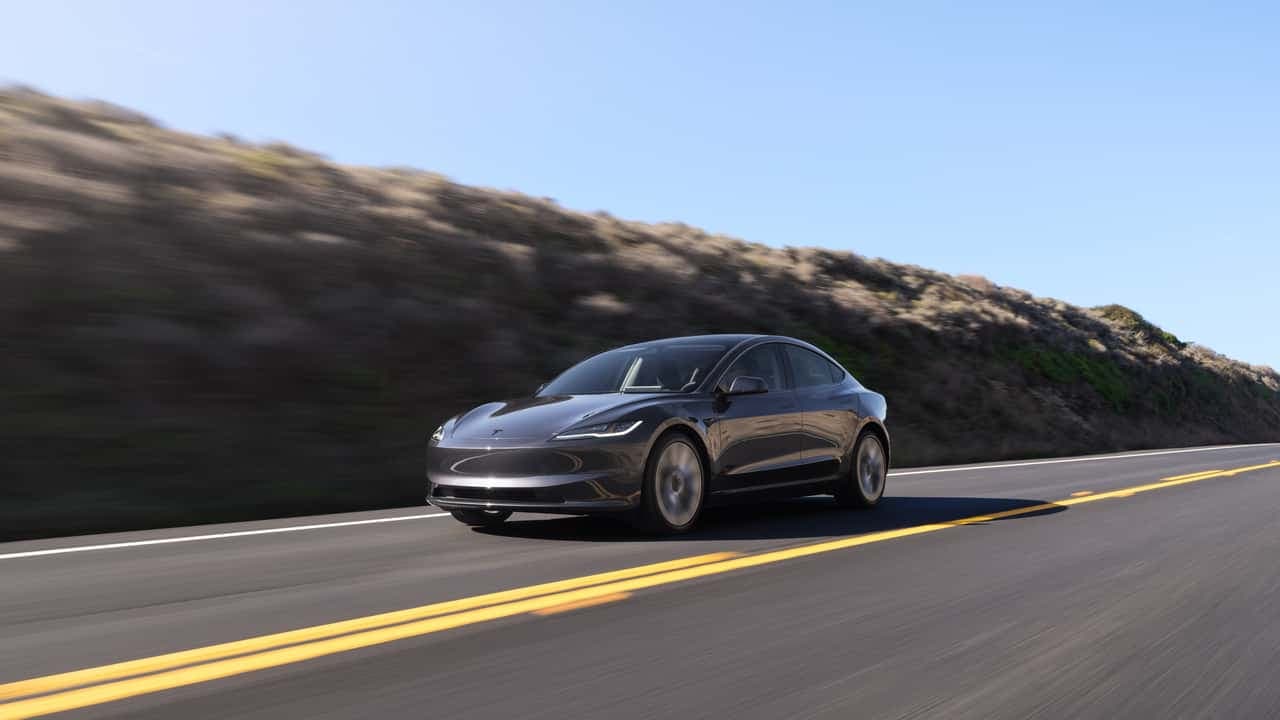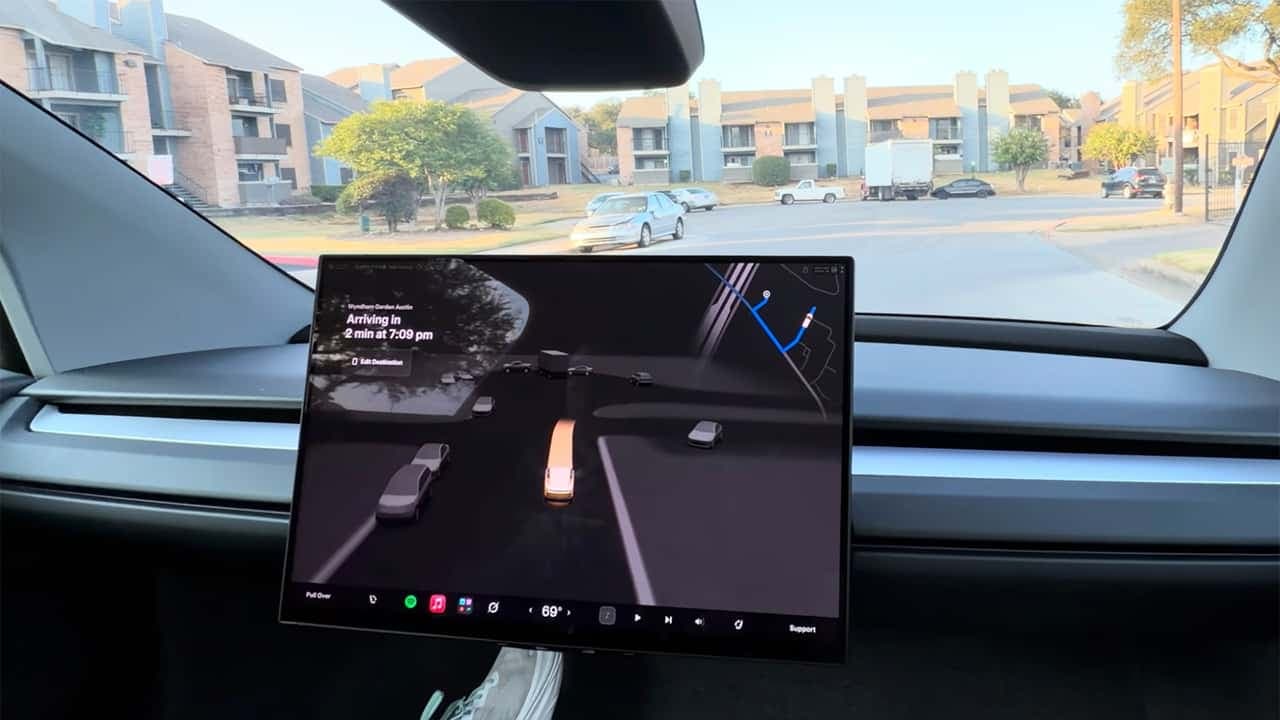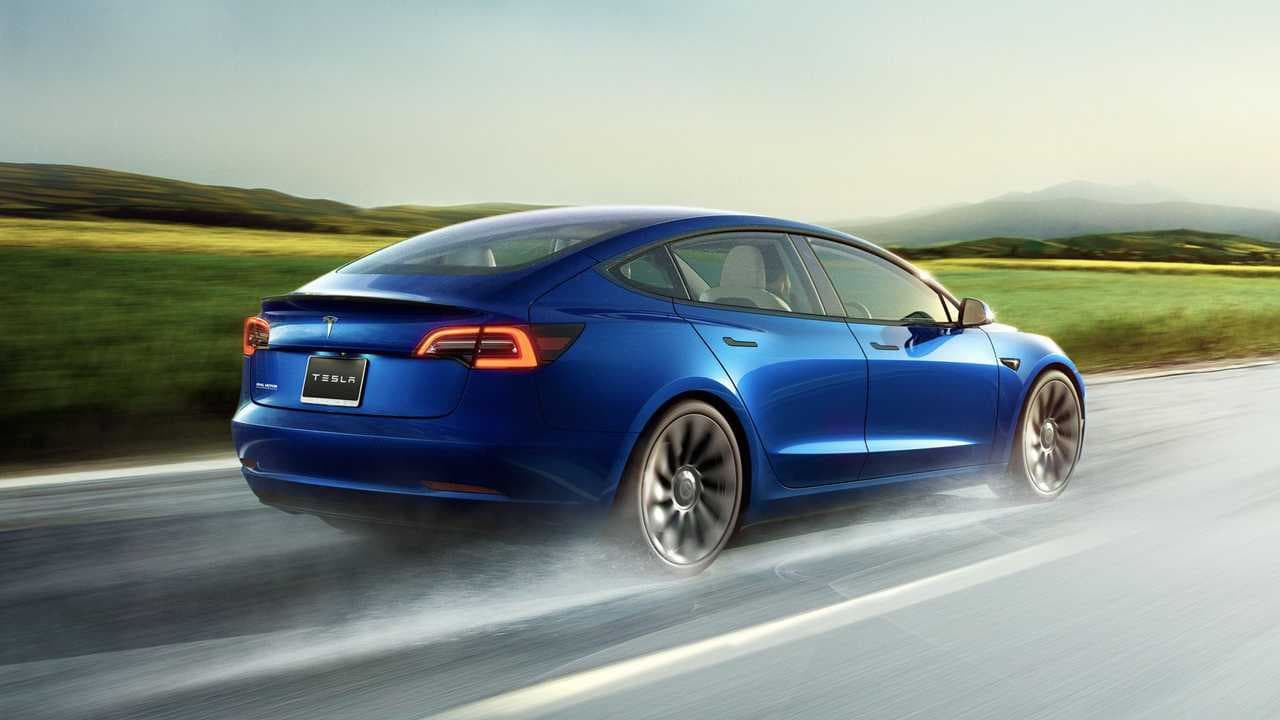
Tesla's Full Self-Driving Lite (FSD Lite) version 14.1 is under scrutiny as users report major failures in object detection, specifically regarding fallen trees. Incidents where the software did not recognize these road hazards have raised alarms about safety and reliability.
FSD Lite is currently operating on Tesla's Hardware 3, introduced in 2019. This hardware is less capable compared to the newer Hardware 4, which powers more recent models. Users have documented alarming instances where vehicles continued moving at speed without stopping for large obstacles, posing a significant risk.
Key Issues Reported
- FSD Lite v14.1 users experienced two notable incidents where vehicles failed to stop for fallen trees or logs, leading to potential collisions.
- In one video recording, a Tesla traveling at 32 mph did not react to a large log blocking the road, requiring manual intervention from the driver.
- Critics are increasingly concerned about FSD Lite's effectiveness due to ongoing issues, including overheating hardware and lane tracking difficulties.
- Elon Musk has previously stated that Hardware 3 wouldn’t support true self-driving capabilities, which casts doubt on FSD Lite’s reliability for consumers.
The shortcomings in object detection directly challenge Tesla's claims about the advanced capabilities of its autopilot systems. As FSD Lite continues to operate on less powerful hardware, the push for enhanced driver supervision becomes even more crucial. Users are being urged to remain vigilant while the software still has significant limitations.
The implications of these failures may extend beyond customer safety; they could also affect public perception of Tesla's autonomous driving technologies and influence regulatory scrutiny. With FSD Lite touted as a step toward full autonomy, the current deficiencies highlight the need for further development and testing before broader implementation.