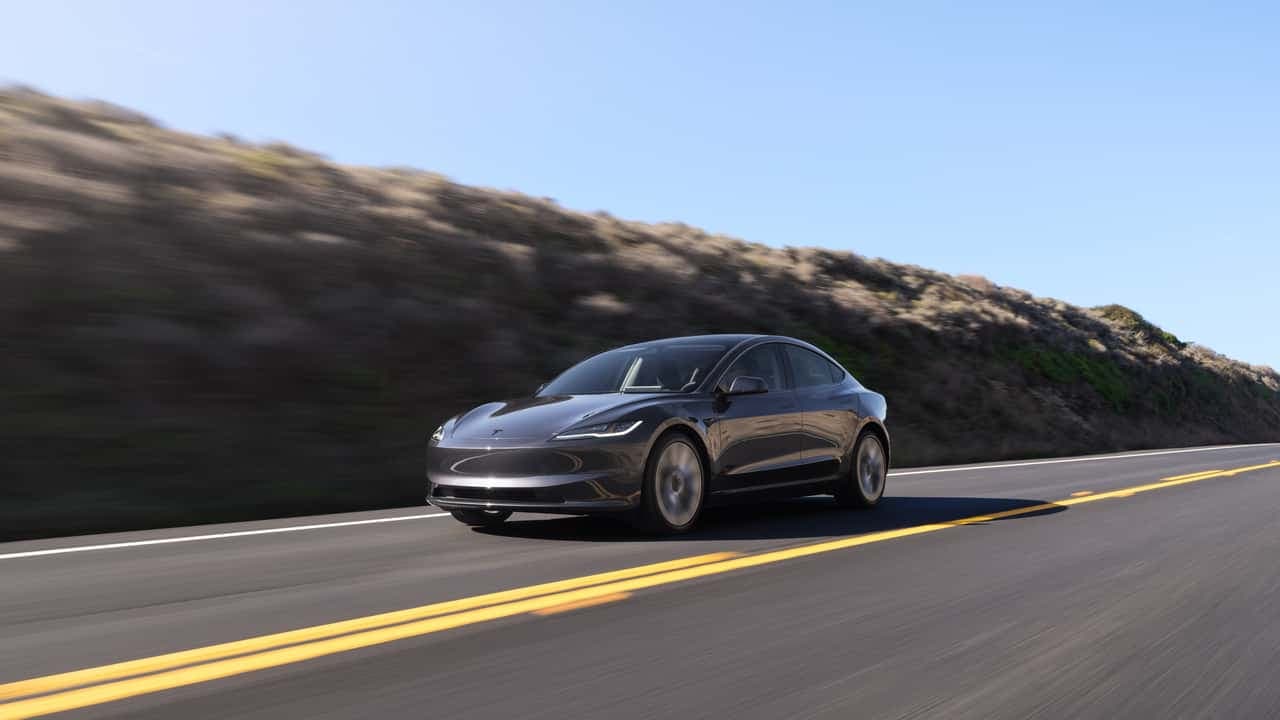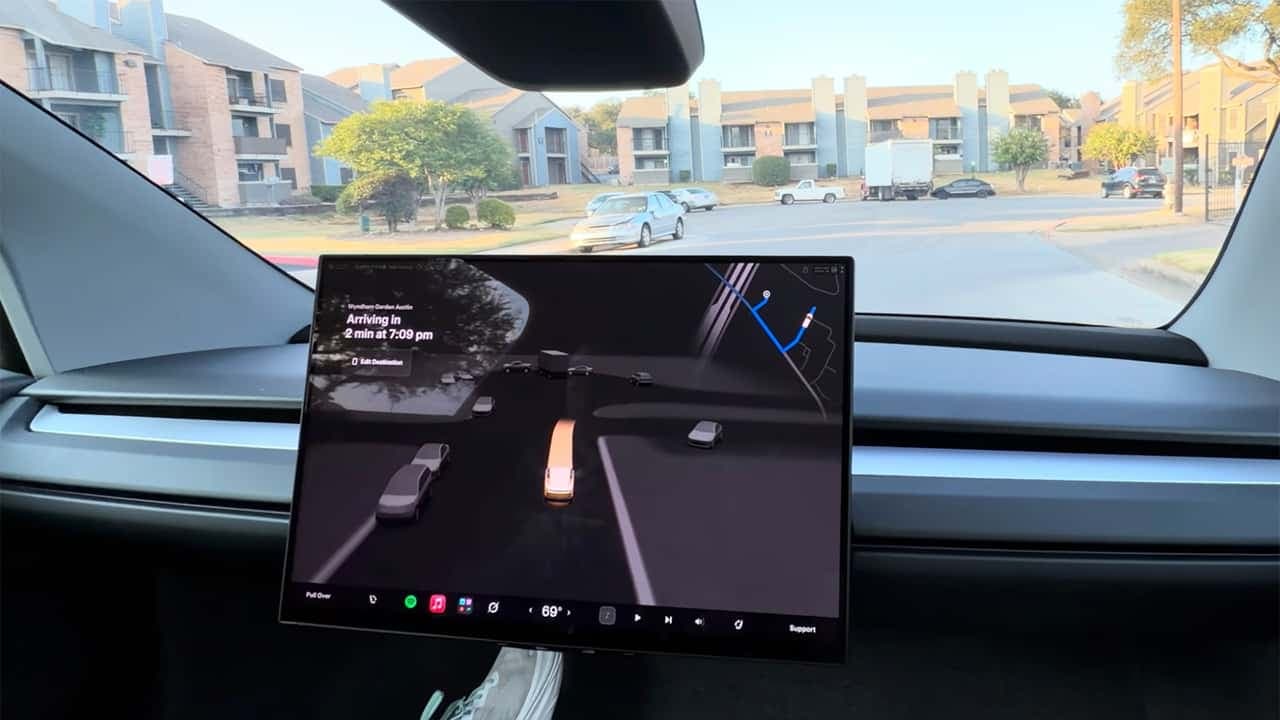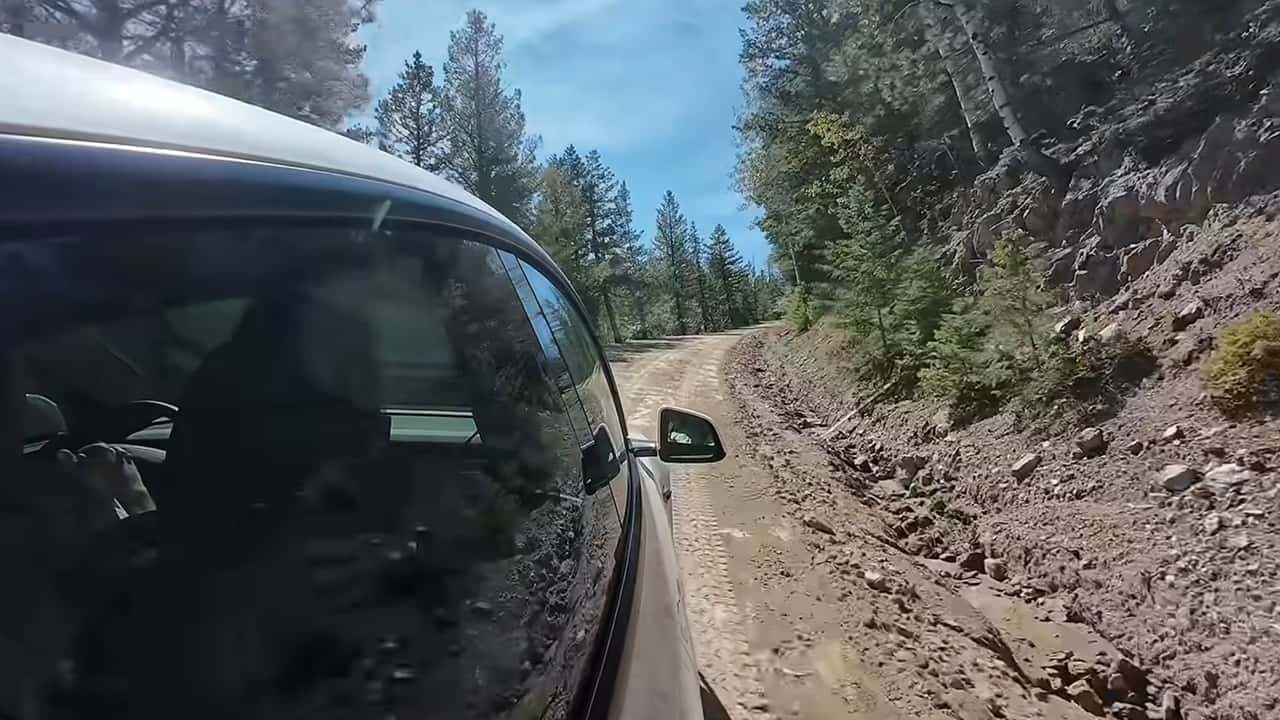
A Tesla Model 3 outfitted with Full Self-Driving (FSD) technology has successfully navigated Lick Skillet Road in Colorado, known as America’s steepest dirt road. This challenge highlights the adaptability of Tesla's FSD system, particularly in difficult terrains lacking conventional road markings.
During the test, the Model 3 demonstrated impressive navigation skills despite Lick Skillet’s demanding conditions, which have an average grade of 14.2% and reach a peak grade of 18%. The road’s ruggedness and absence of lane lines presented a unique challenge, yet the vehicle managed to maintain its position accurately while safely navigating around cyclists and blind corners.
Key Highlights
- The Lick Skillet Road features an average grade of 14.2% and a peak grade of 18%, solidifying its status as one of the steepest dirt roads in the U.S.
- The Tesla managed to navigate effectively without lane lines, maintaining correct positioning.
- It encountered challenges, particularly struggling to recognize a pedestrian walking near cyclists until the last moment.
- The Fast Lane EV team followed a recovery vehicle for safety, but the Model 3 operated largely without human intervention.
- Despite its advanced capabilities, the FSD system still requires manual control in specific scenarios, like overtaking slower vehicles.
This test underscores the ongoing improvements in FSD technology. While the system successfully handled numerous complex interactions, it also showcases areas needing further refinement, such as pedestrian detection and handling variable speeds on mixed-use roads. Despite its achievements, human oversight remains crucial, especially in unpredictable environments.
For more details, check out the source article: Can Tesla FSD Take You Up The Steepest Dirt Road In America All By Itself?