E-BUZZ ME Logo
Electric VehiclesTechnical Deep Dive

Tesla Integrates Starlink Antennas Directly into Cybercab Roof

Published
Tesla Integrates Starlink Antennas Directly into Cybercab Roof
1 min read165 words

The Gist

Tesla has revealed that its upcoming Cybercab robotaxi features integrated Starlink hardware, potentially ensuring constant connectivity for autonomous operations.

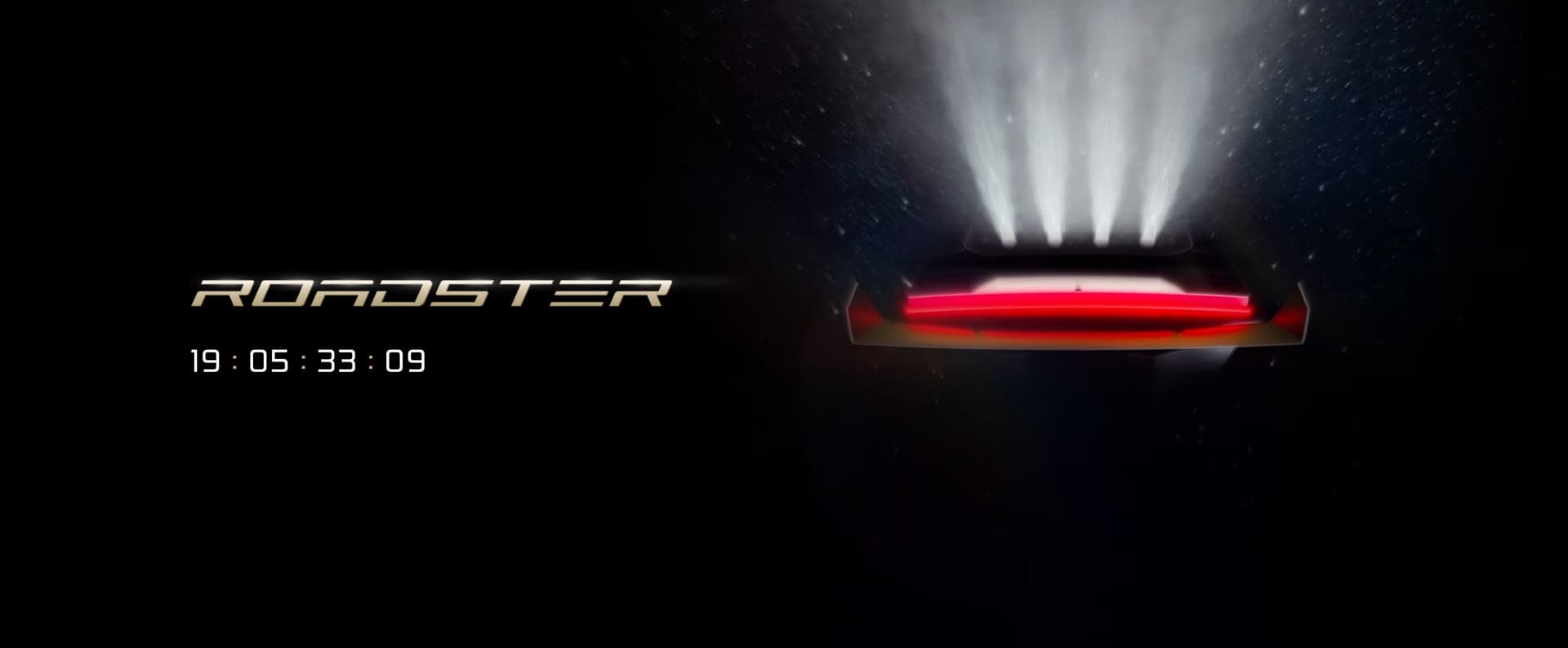
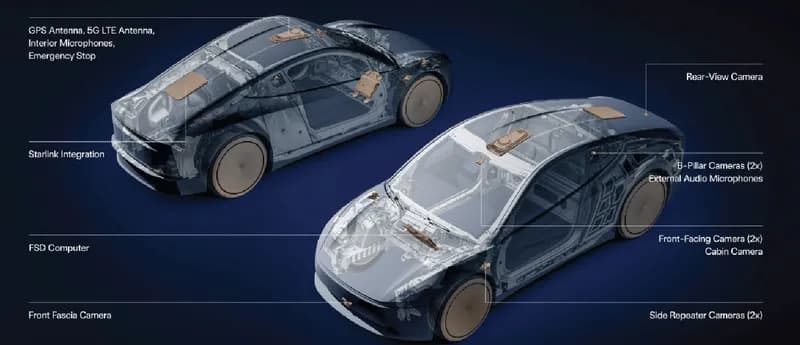
Tesla and SpaceX have announced a new hardware integration for the Cybercab, Tesla’s dedicated autonomous robotaxi. According to recent technical diagrams shared on social media, the vehicle features a Starlink satellite internet antenna built directly into the roof structure.

Seamless Space Connectivity

The integration was highlighted through a cutaway diagram posted on X, showing the antenna's placement within the vehicle's upper frame. While standard Tesla models currently rely on cellular networks for connectivity and software updates, the Cybercab is the first to publicly showcase SpaceX’s satellite technology as a core component of its design.

Unanswered Questions on Utility

Neither Tesla nor SpaceX has officially detailed the specific purpose of the Starlink integration. Industry analysts suggest it could serve as a redundant communication layer for remote monitoring or provide high-speed internet to passengers in areas with poor cellular coverage. However, for a vehicle designed to operate autonomously using on-board compute power, the exact necessity of space-based internet remains a point of discussion among tech experts.
Related Stories

Semantically matched articles, ranked by topic overlap and freshness.

Elon Musk Hints at Potential Tesla-SpaceX Merger During Q2 Call
Electric Vehicles73%

Elon Musk Hints at Potential Tesla-SpaceX Merger During Q2 Call

During Tesla's Q2 2026 earnings call, Elon Musk addressed growing speculation regarding a merger with SpaceX, citing increasing operational overlap between the two giants.

Amazon Seeks FCC Approval for Satellite-to-Phone Service
Tech & Gadgets71%

Amazon Seeks FCC Approval for Satellite-to-Phone Service

Amazon has filed a request with the FCC to launch a 5,000-satellite constellation designed to provide direct-to-device mobile connectivity from space.

Waymo's Austin Robotaxi Fleet Faces Significant Fines Over Parking Violations
Electric Vehicles69%

Waymo's Austin Robotaxi Fleet Faces Significant Fines Over Parking Violations

Waymo’s self-driving taxis in Austin are reportedly struggling with local parking regulations, leading to thousands of dollars in penalties.

NHTSA Rejects Tesla Door Release Investigation, Proposes Industry-Wide Safety Updates
Electric Vehicles67%

NHTSA Rejects Tesla Door Release Investigation, Proposes Industry-Wide Safety Updates

Federal regulators have denied a petition for a defect investigation into Tesla Model 3 door releases but will initiate new safety standards for all vehicles.

Meta Integrates AI Chatbot into Threads Direct Messages
Artificial Intelligence65%

Meta Integrates AI Chatbot into Threads Direct Messages

Meta has officially launched its Meta AI chatbot within Threads, allowing users to interact with the assistant directly through their DMs.

Nvidia to Invest $5 Billion in Ilya Sutskever’s Safe Superintelligence Inc.
Tech & Gadgets64%

Nvidia to Invest $5 Billion in Ilya Sutskever’s Safe Superintelligence Inc.

Nvidia Corp. is reportedly committing $5 billion to Ilya Sutskever’s new AI research startup, marking a major investment in the future of safe superintelligence.

Massachusetts to Launch Program Paying EV Owners for Grid Support
Electric Vehicles64%

Massachusetts to Launch Program Paying EV Owners for Grid Support

A new initiative in Massachusetts will allow electric vehicle owners to earn incentives by discharging battery power back into the grid during peak demand.

Discrepancies Emerge in Rivian R2 EPA Efficiency vs. Real-World Performance
Electric Vehicles64%

Discrepancies Emerge in Rivian R2 EPA Efficiency vs. Real-World Performance

While the Rivian R2 and Tesla Model Y share identical EPA efficiency ratings, initial real-world testing suggests a gap in actual energy consumption.