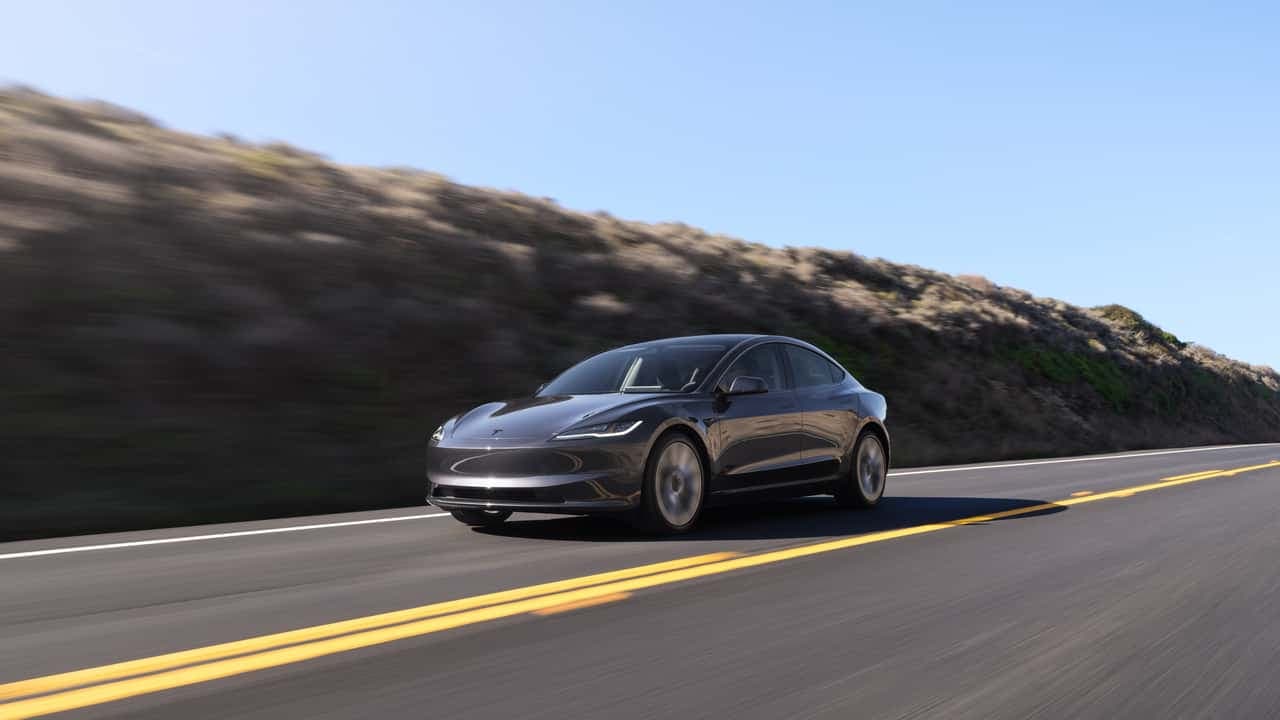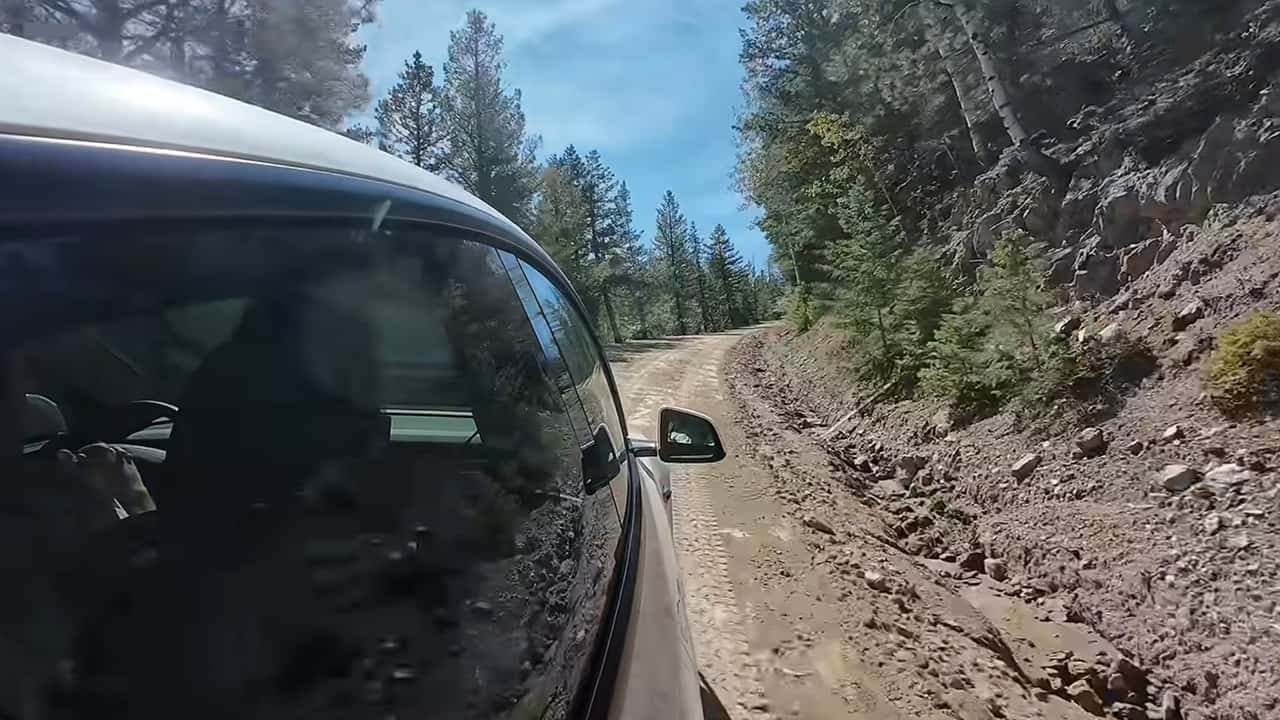
In an impressive demonstration of its autonomous driving capabilities, a Tesla Model 3 equipped with Full Self-Driving (FSD) successfully navigated Lick Skillet Road, recognized as the steepest dirt road in America. This challenging route, located in Colorado, features a mile-long stretch with an average grade of 14.2% and peaks reaching 18%.
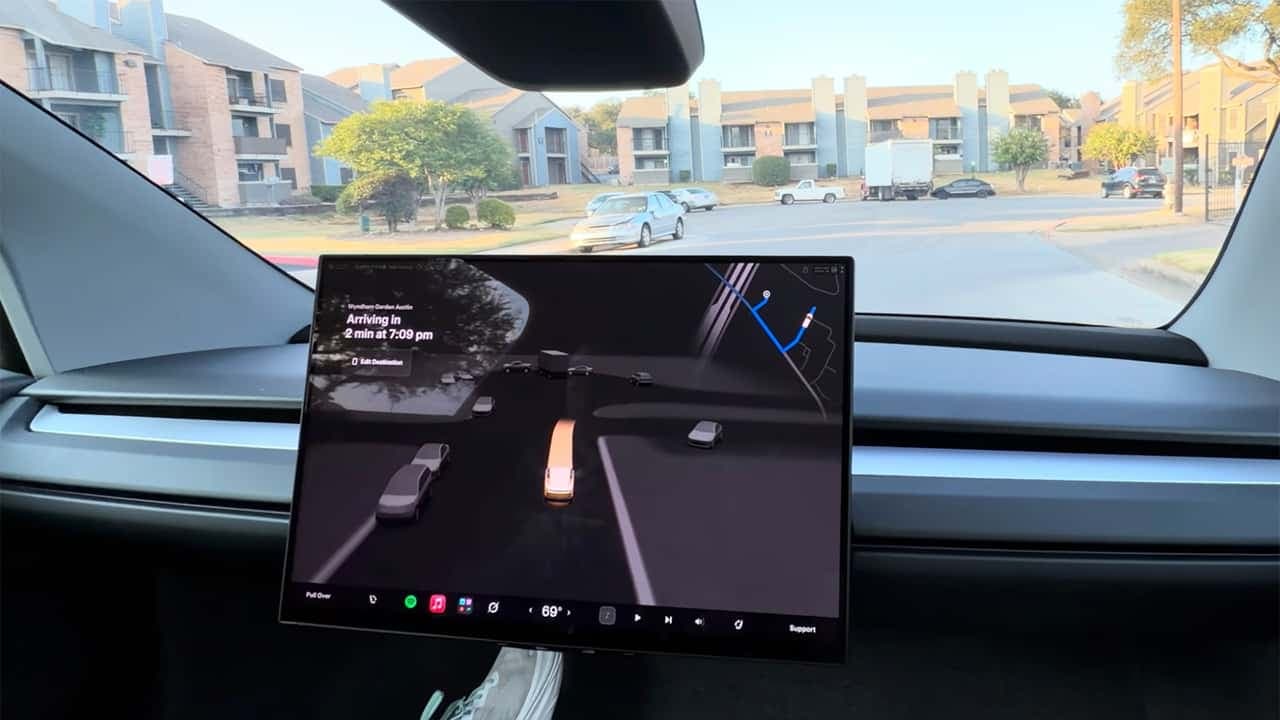
During the test drive, Tesla's FSD managed to maintain its course despite the absence of lane lines and navigation signs. The vehicle demonstrated significant competence, effectively managing the road's width and maintaining safety on the steep, uneven terrain.
However, the FSD system did encounter challenges, particularly with cyclists on the road. In these instances, manual intervention was required to ensure safe passing due to blind corners that limited visibility. This highlighted that while Tesla's FSD can navigate difficult environments, it may not always reliably identify all obstacles, such as pedestrians, necessitating user input for optimal safety.
Key Facts
- Lick Skillet Road features an average grade of 14.2% and a peak grade of 18%, presenting a tough test for autonomous vehicles.
- The Model 3 managed to follow the road effectively without lane markings, demonstrating the system's adaptability.
- The FSD required human intervention when encountering cyclists, showcasing limitations in visibility management in certain conditions.
- The test revealed the FSD's adequacy in challenging conditions but also underscored some obstacles it struggles to identify.
- This test reaffirms Tesla's progress in autonomous driving, even in notoriously difficult terrains.
The recent testing of Tesla’s FSD has confirmed its ability to perform under demanding scenarios, such as the treacherous Lick Skillet Road. As companies continue to push the boundaries of autonomous vehicle capabilities, the outcomes of such real-world tests are crucial in shaping future developments in self-driving technology.