The Rise of Private Autonomy
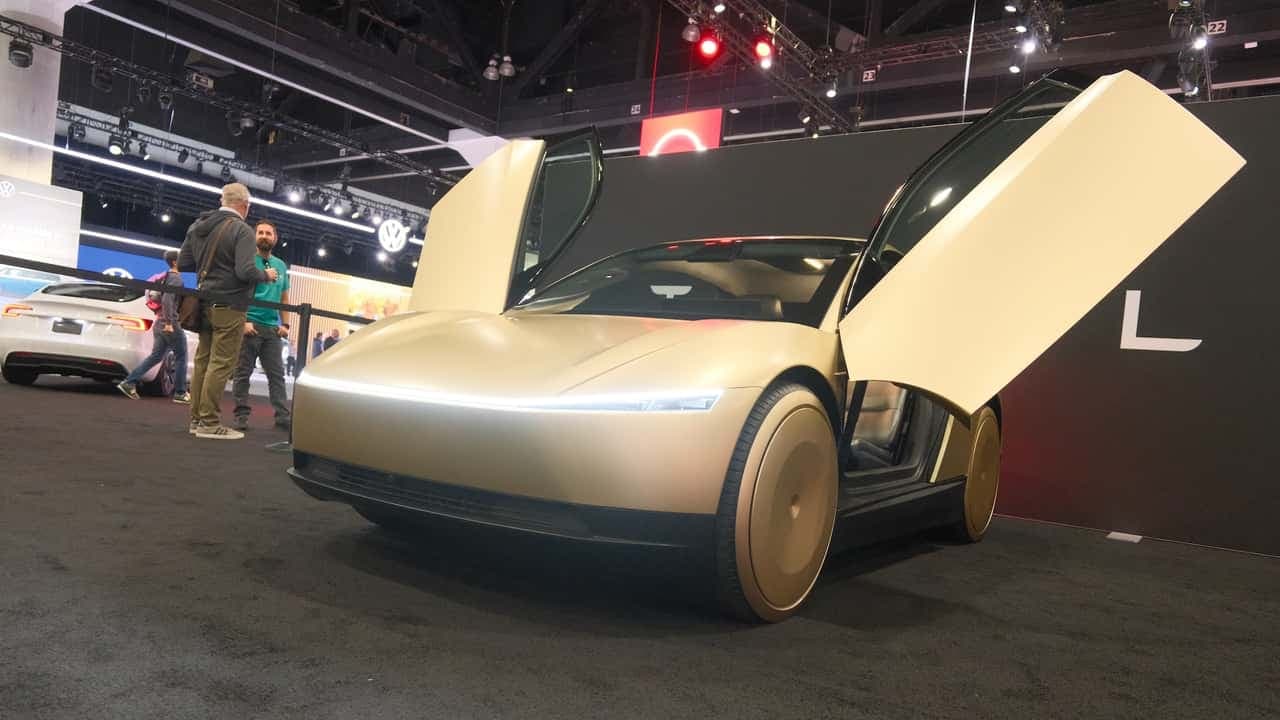
In a move that signals a significant shift in the automotive landscape, Tesla has begun extending invitations to a select group of customers to purchase its highly anticipated Cybercab. The vehicle, a compact, two-seater design notably lacking a traditional steering wheel, pedals, or side-view mirrors, represents a bold attempt by the company to bring Level 4 autonomous transportation into the realm of personal ownership rather than limiting it to commercial ride-hailing fleets.
Priced at an aggressive $29,990, the Cybercab stands to be the most affordable vehicle in Tesla’s current lineup, undercutting the base Model 3 by a substantial margin. For the chosen few invited to participate in this initial rollout, the promise is a future where the car manages the commute, allowing passengers to treat their vehicle time as personal space or mobile productivity centers.
Understanding the Subscription and Service Model
While the purchase price is attractive, the total cost of ownership includes a critical ongoing commitment: a $299-per-month autonomous driving subscription. This recurring fee is mandatory for the vehicle's core functionality, totaling roughly $3,600 annually. Tesla includes the first month of service at no charge, aiming to onboard early adopters into its ecosystem of self-driving infrastructure.
The operational limitations remain a primary consideration for prospective buyers. These vehicles will not function on a nationwide scale immediately; instead, Tesla is restricting operations to specific "supported service areas." Users will manage their rides and monitor vehicle activity through a dedicated Tesla app, but the long-term feasibility of the platform depends on how quickly these geofenced zones expand to accommodate a broader range of real-world driving environments.
Regulatory Hurdles and Future Outlook
The radical design of the Cybercab—which completely eschews manual controls—has drawn significant scrutiny from the National Highway Traffic Safety Administration (NHTSA). Standard safety regulations generally require physical interfaces like steering columns and side mirrors to ensure road legality. Tesla is navigating these mandates through federal exemptions, which typically cap non-compliant vehicle deployments at 2,500 units annually. The company’s ability to scale this project will hinge on its capacity to work alongside regulators to modernize these safety frameworks.
Why It Matters
- Ownership Paradigm: Unlike competitors who focus on managed fleets, Tesla is gambling on the appetite for individual ownership of driverless hardware.
- Economic Disruption: At a sub-$30,000 price point, the Cybercab challenges the traditional economics of car ownership, provided the monthly subscription and regional limitations prove viable for daily users.
- Technological Benchmark: This rollout represents the most public-facing attempt to transition from supervised driver assistance systems to fully autonomous, "eyes-off" consumer technology.
The road ahead is not without obstacles. With a history of ambitious timelines, Tesla faces the challenge of proving that the Cybercab can deliver on its promise of consistent, safe autonomy. Whether this becomes the standard for individual mobility or remains an exclusive experiment for the early-adopter class will be the defining automotive story of the coming year.