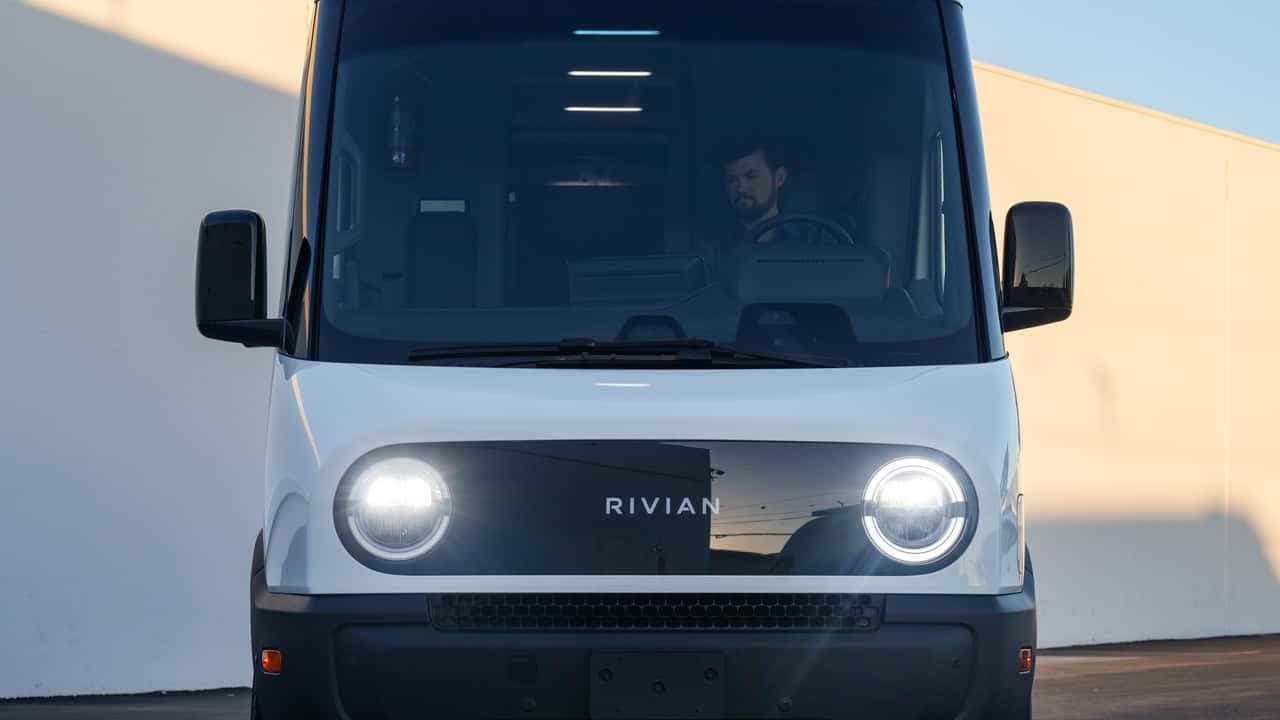
The Rise of the Rivian Commercial Van
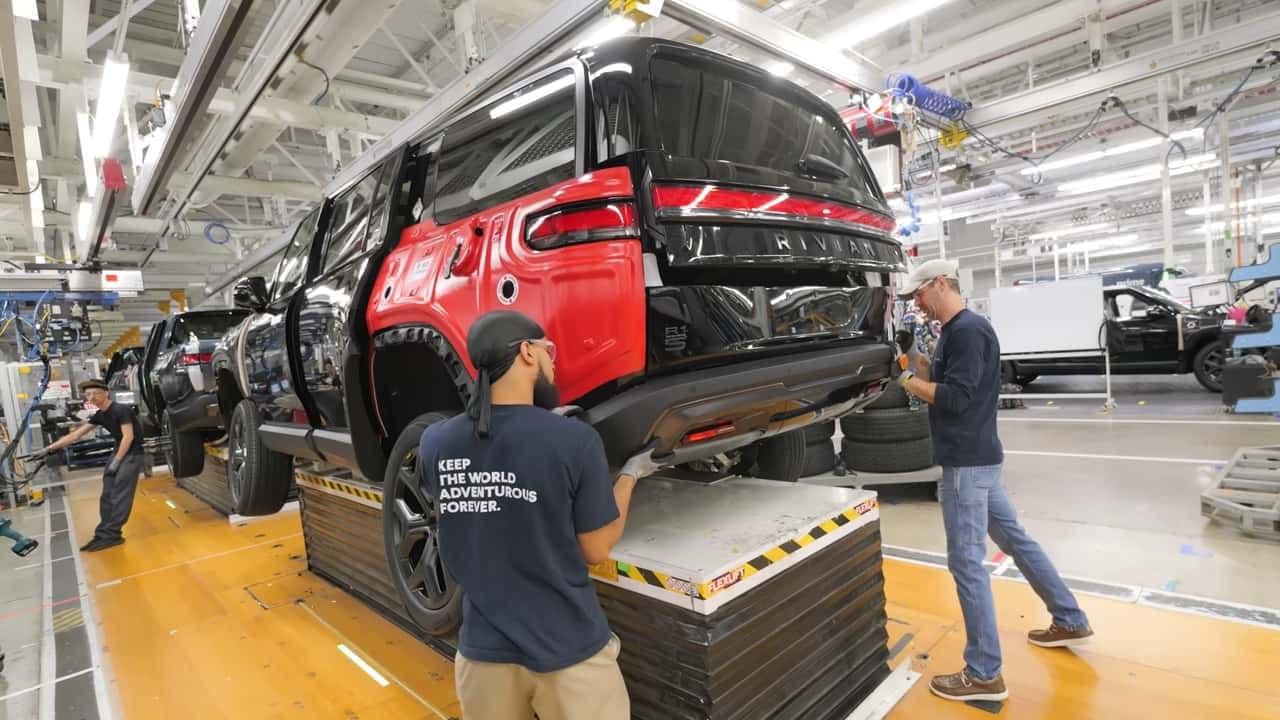
In the rapidly shifting landscape of electric vehicles, the spotlight is often stolen by high-performance SUVs and luxury trucks. However, for California-based EV manufacturer Rivian, the real engine of growth is far more practical. Recent sales data for the third quarter of 2026 reveals that the Rivian Commercial Van (RCV) has emerged as the brand's clear sales leader, successfully outpacing the combined deliveries of the flagship R1S SUV and R1T pickup truck. With 8,469 units delivered during the quarter, the RCV has cemented its status as a cornerstone of the company’s current production strategy.
This performance represents a massive 220.9% increase in volume compared to the same period in the previous year. To put this into perspective, the RCV now holds the title of the fourth best-selling EV in the United States, trailing only the Tesla Model Y, Tesla Model 3, and the Hyundai Ioniq 5. While the R1S and R1T have experienced a roughly 30% dip in demand as consumers pivot toward newer, more affordable models like the R2, the commercial division has provided a critical buffer for Rivian’s bottom line.
Dominating the Commercial Segment
The success of the RCV is even more pronounced when compared to its direct market competitors. While other legacy automakers have struggled to gain traction in the electric van space, Rivian has left them in the dust. During the third quarter, the RCV outsold its nearest competitor, the discontinued Chevrolet BrightDrop, by a factor of six, with the BrightDrop moving 1,344 units. Other entries like the Mercedes-Benz eSprinter, Ford E-Transit, and Ram ProMaster EV failed to exceed 400 units, underscoring the massive lead Rivian has established in the commercial sector.
A significant driver of this momentum is the landmark 2019 partnership with Amazon, which calls for the delivery of 100,000 electric vehicles by 2030. Having already deployed roughly 50,000 units to the e-commerce giant, Rivian has solidified a consistent revenue stream. Beyond the Amazon deal, the transition of the vehicle from an exclusive fleet product to the public-facing RCV has opened new doors. Now available to any commercial operator in the U.S., the van starts at $79,900 for the Delivery 500 model, which boasts a 161-mile range and a payload capacity of over 2,600 pounds.
Why It Matters
- Diversification Strategy: Rivian’s pivot from a pure consumer brand to a dual-focus commercial and retail manufacturer has stabilized the company against market volatility.
- Market Resilience: While legacy rivals face stagnant growth and aggressive discounting to clear inventory, Rivian’s van has maintained organic demand fueled by its specialized utility.
- Future Scalability: With plans to introduce dual-motor all-wheel-drive configurations and higher-capacity battery packs, Rivian is positioning the RCV to compete for even broader logistics market share in the coming years.
As Rivian looks toward the future, the RCV serves as a vital proof-of-concept for the company’s production capabilities. By proving that it can scale a reliable, high-demand commercial platform while simultaneously ramping up new consumer-grade vehicles like the R2, Rivian is demonstrating a level of operational flexibility that few startup EV manufacturers have managed to achieve. This silent success story of the "bug-eyed" van highlights that in the race to electrification, utility and reliability may ultimately carry more weight than raw aesthetic appeal alone.