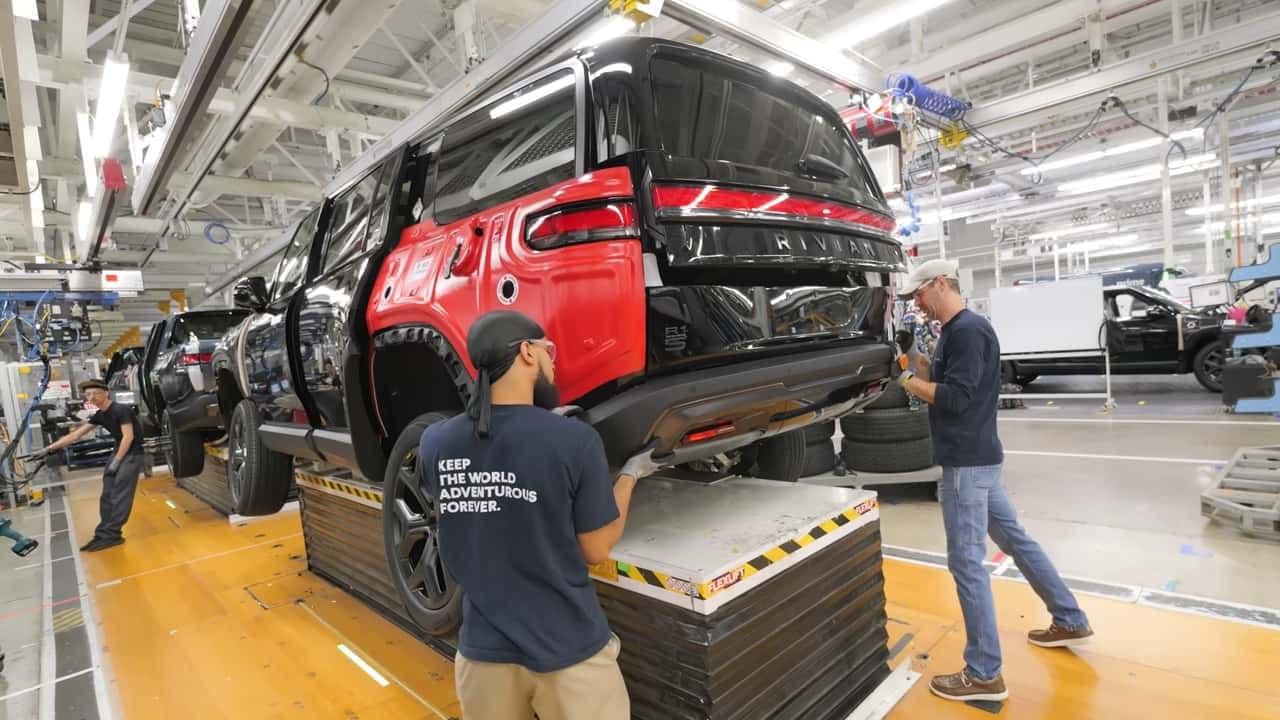
The Path to Total Factory Automation
Rivian is setting an ambitious course to fundamentally reshape automotive manufacturing through the integration of advanced robotics. CEO RJ Scaringe recently unveiled the company’s long-term vision, which centers on moving from traditional, rigid automation toward highly adaptable, AI-enabled robotics capable of performing up to 80% of factory tasks. This initiative is being spearheaded by Mind Robotics, a dedicated technology spinoff established by the automaker last year.
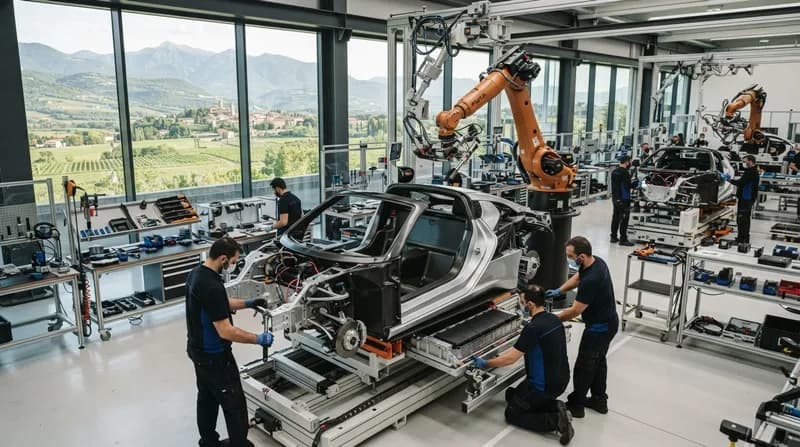
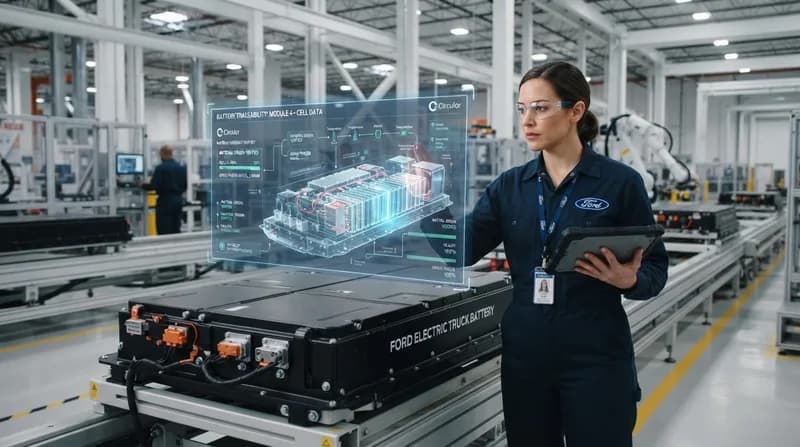
While modern vehicle assembly lines already rely on industrial robot arms, these existing systems are typically limited to fixed-position, highly repetitive tasks that require absolute consistency in part placement. Rivian aims to transcend these limitations by deploying intelligent systems that can perceive environmental variability. The immediate focus is on 'pick-and-place' operations, where robots will take over roles currently handled by human workers, such as retrieving components from bins and placing them onto assembly fixtures. According to Scaringe, these repetitive, lower-engagement roles account for nearly half of the labor in some segments of the factory floor, making them the primary targets for initial implementation.
The Role of Mind Robotics and Consumer Tech Talent
The success of this transition relies heavily on the cross-pollination of talent. Rivian has strategically recruited engineers from the consumer electronics sector, bringing deep expertise in tactile sensing and advanced hardware-software integration. By leveraging the same principles used in modern smartphone development—such as high-precision touch sensitivity and compact sensor arrays—the company is building robots that can 'feel' and 'see' their immediate workspace with higher fidelity than traditional industrial equipment.
The training methodology behind these robots is equally innovative. Instead of manual programming, engineers are utilizing machine learning by filming thousands of real-world assembly tasks. By feeding this video data into their proprietary software, the system characterizes the level of dexterity and reasoning required for each action. This allows the AI to develop a nuanced understanding of manufacturing workflows, enabling the hardware to grow more capable and efficient over time as it processes more operational data.
Why It Matters
- Efficiency Scaling: Moving from 20% to 80% automation significantly reduces dependence on manual labor for non-ergonomic, repetitive tasks.
- Software-Defined Hardware: Similar to the strategy used in the Gen2 R1S and R1T vehicles, Rivian is ensuring their robotics hardware has the necessary 'headroom' to receive software-based performance upgrades via over-the-air updates.
- Cross-Industry Synergy: By importing consumer electronics engineering standards into the automotive sphere, Rivian is accelerating the timeline for deploying flexible, intelligent, and autonomous manufacturing systems.
As Rivian prepares to scale its production capacity, this robotic integration represents a foundational shift in how the company views the vehicle lifecycle—from the software powering its autonomous driving features to the AI that physically assembles the vehicle on the line. While a fully automated floor remains a future goal, the initial rollout of 20% automation marks a clear departure from traditional assembly methods toward a smarter, more resilient production infrastructure.