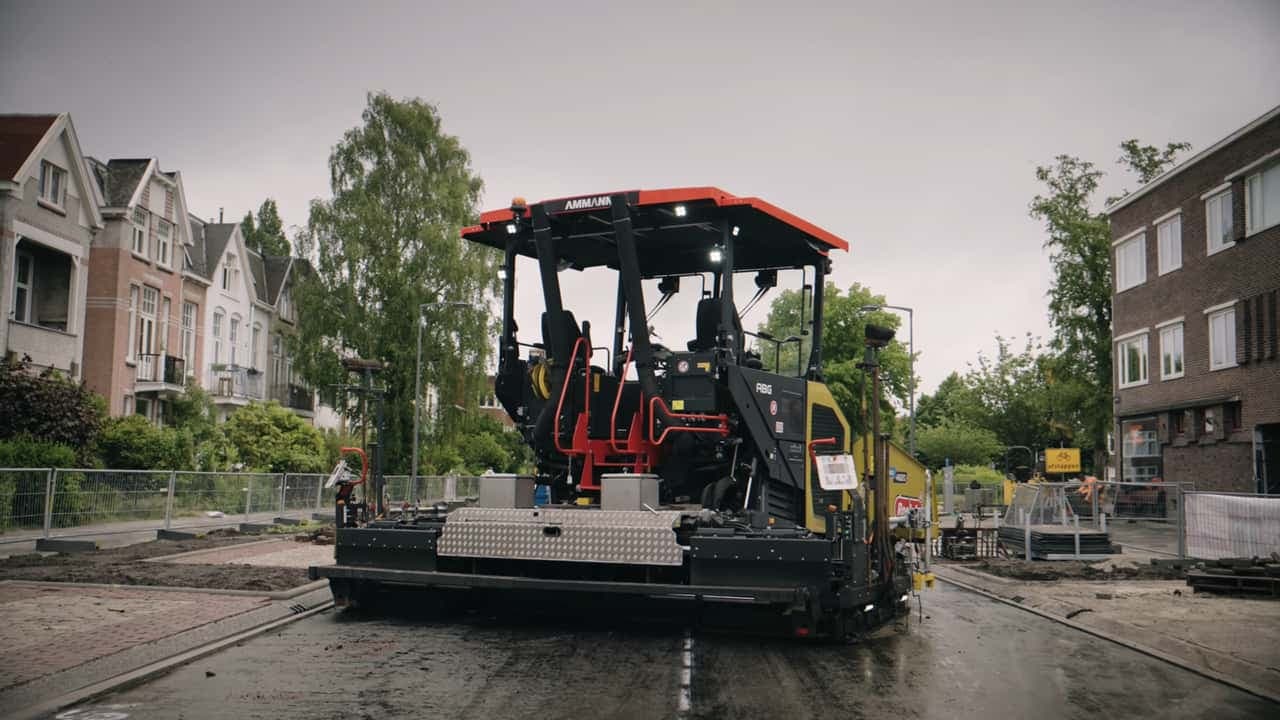
A Paradigm Shift in Construction
The construction sector is undergoing a profound transformation as traditional, heavy-duty diesel machinery begins its transition to electric power. Leading this shift is Swiss manufacturer Ammann, which has officially unveiled the eABG 4820, an electric asphalt paver designed to tackle massive infrastructure projects while drastically reducing noise and carbon emissions. By replacing the conventional diesel engine with a sophisticated electric powertrain developed in partnership with Volvo Penta, Ammann is proving that heavy-duty performance does not have to come at the cost of environmental sustainability.
This transition is particularly vital for urban areas where noise pollution and exhaust fumes are increasingly regulated. The eABG 4820 serves as a prime example of how industrial giants can leverage clean energy to modernize worksites. By achieving a daily output capacity of 1,200 tonnes of asphalt, the machine effectively challenges the status quo, proving that electrified heavy equipment can match the productivity of its fossil-fuel-powered predecessors.
Engineering and Performance Specs
At the heart of the eABG 4820 lies a robust 99-kilowatt electric motor, meticulously tuned to coordinate with the machine's high-pressure hydraulic systems. The system is fueled by a massive 270-kilowatt-hour nickel-cobalt-aluminum oxide (NCA) battery pack, split into three individual units to ensure optimal power distribution and safety. This sophisticated power architecture allows the paver to lay between 350 and 450 tonnes of asphalt on a single charge, with the capability to reach a 1,200-tonne daily capacity when supplemented with mid-shift top-ups.
Charging flexibility is central to the operational utility of the paver. The system supports CCS2 fast charging at up to 150 kW, enabling a near-full recharge in approximately 90 minutes. For overnight maintenance or slower charging scenarios, a 22 kW AC connection is available. Beyond its raw propulsion, the machine is designed for versatility, capable of handling paving widths of up to 21.3 feet. Intelligent control systems ensure that every kilowatt of energy is utilized efficiently, minimizing waste while maintaining consistent hydraulic pressure, which is essential for uniform pavement finish quality.
Why it Matters
- Noise Reduction: Significantly lowers ambient noise, enabling night-time or residential area paving without disrupting communities.
- Emission Targets: Cuts carbon dioxide output by up to 70% compared to legacy diesel counterparts, aiding companies in meeting strict green-city regulations.
- Simplified Maintenance: By eliminating the complex combustion engine and its associated cooling, exhaust, and fuel systems, the eABG 4820 reduces long-term maintenance overhead and mechanical downtime.
- Infrastructure Readiness: The move represents a growing trend in the construction industry to standardize high-voltage charging infrastructure at heavy machinery depots.
Future Outlook
The introduction of the eABG 4820 signals a critical turning point for the construction industry. As cities across the globe tighten emissions standards, the adoption of battery-electric machinery will likely become a necessity rather than a choice for contractors seeking city-funded or sustainable development contracts. While the initial challenge remains the installation of robust charging infrastructure on remote or mobile worksites, the long-term benefits—lower operational costs, reduced environmental impact, and significantly lower noise levels—position this electric paver as the new gold standard for sustainable urban infrastructure development.