Expanding Connectivity for EV Drivers
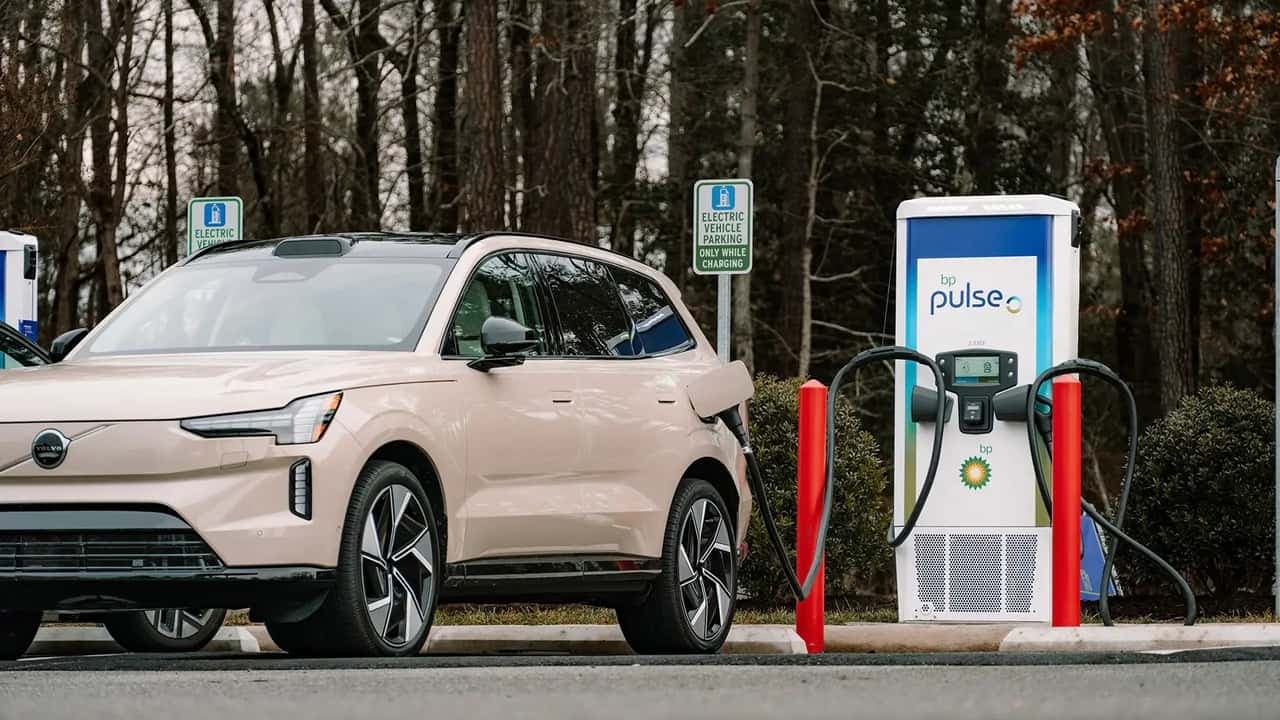
The fragmentation of charging networks has long been a hurdle for electric vehicle adoption, forcing drivers to juggle multiple smartphone apps just to keep their batteries topped off. In a move to address this, BP Pulse has announced a strategic integration with ChargeHub, effectively folding its U.S. network into North America’s largest roaming ecosystem. With this update, owners of electric vehicles can now utilize the ChargeHub platform to locate, access, and pay for charging sessions across the entirety of BP Pulse’s infrastructure, which comprises nearly 900 DC fast-charging ports.
This integration marks a significant pivot toward a more unified charging experience. By moving the BP Pulse network into the ChargeHub Passport Hub, the company is allowing drivers to bypass the dedicated BP Pulse application entirely. This consolidation is particularly beneficial for road-trippers and daily commuters who can now view the status of various charging stalls, including real-time availability and connector compatibility, within a single interface. The ChargeHub ecosystem is impressively comprehensive, already hosting over 40 distinct operators across the U.S. and Canada, with connections to more than 70 other networks, including heavy hitters like Tesla, Ionna, and Electrify America.
Understanding the Infrastructure and Capabilities
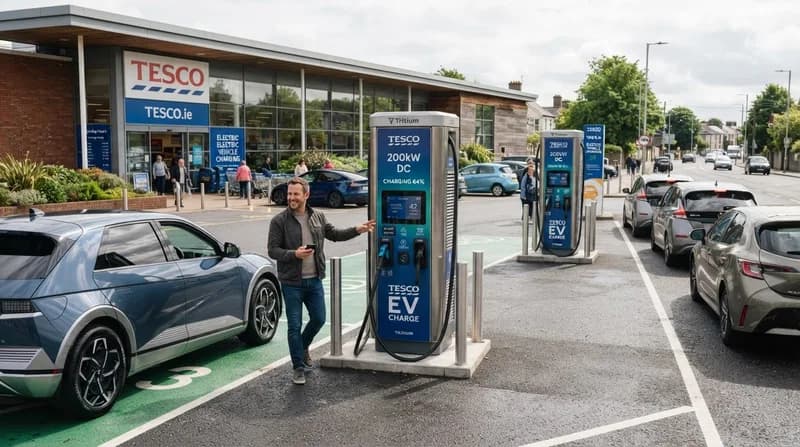
BP Pulse’s network features a diverse array of hardware designed to meet varying power needs. The charging stalls are sourced from industry leaders such as Tritium, ABB, and Alpitronic. At the lower end of the power spectrum, Tritium dispensers provide up to 150 kW, while the more robust ABB units offer 180 kW. For those requiring maximum performance, the network utilizes 400 kW Alpitronic stalls. These stations vary significantly in size, ranging from small two-stall outposts to massive high-capacity hubs like the 48-stall facility in Inglewood, California.
Technical compatibility remains a priority for the network. The majority of the chargers are equipped with CCS1 connectors, though approximately one-third of the 874 fast-charging ports have been fitted with NACS (Tesla-style) connectors to cater to the growing market share of standard-compatible vehicles. For high-end convenience, select fast stalls support Plug & Charge technology for specific Ford and BMW models. While the app integration simplifies the process for most, BP Pulse continues to offer on-site credit card readers for those who prefer a traditional, app-free payment experience at the physical location.
Why It Matters
- Reduced Friction: By joining a roaming network, BP Pulse removes the need for drivers to maintain multiple accounts, significantly reducing the administrative burden of public charging.
- Market Interoperability: This partnership highlights an industry-wide shift toward interoperability, as large energy players and specialized roaming platforms align to create a seamless digital layer over physical charging hardware.
- Strategic Growth: As BP Pulse expands, aligning with an aggregator like ChargeHub ensures that its hardware is immediately discoverable to a massive pre-existing base of EV drivers, accelerating utilization rates and supporting the broader move toward mass EV adoption.