A New Chapter for Gigafactory Grünheide
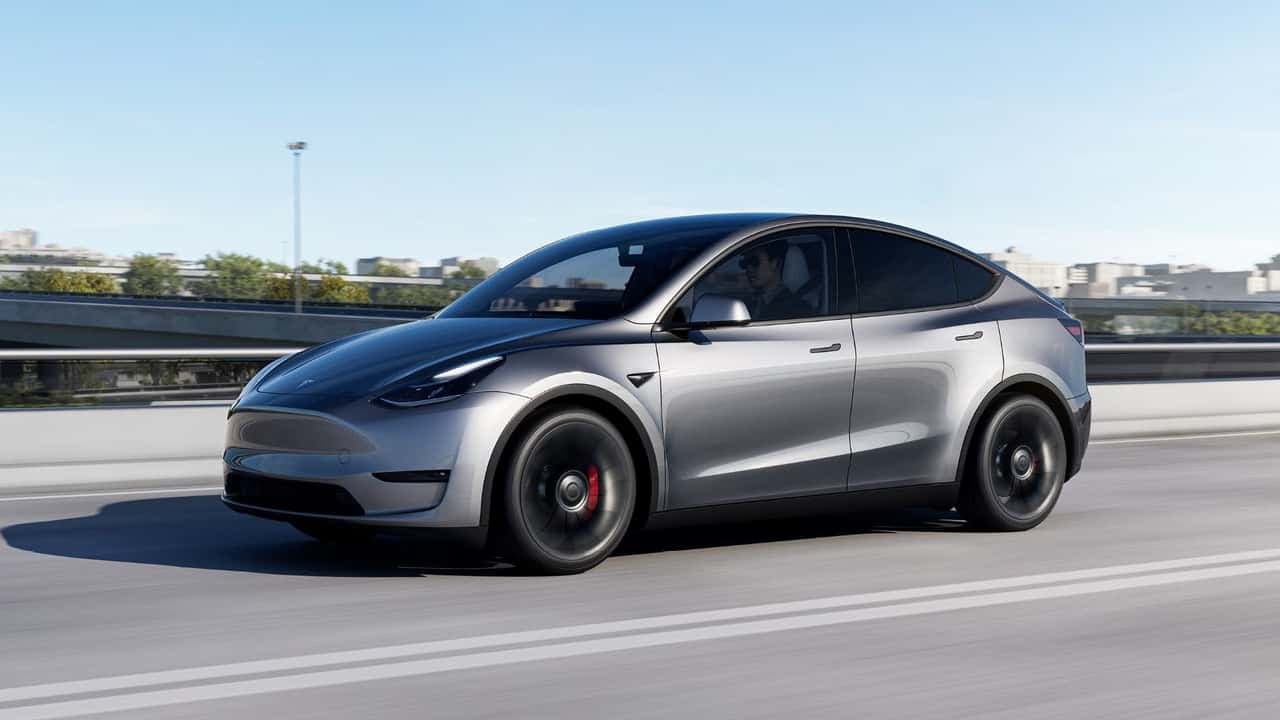
Tesla is significantly scaling up its European manufacturing footprint with a monumental three-billion-euro investment into its Gigafactory in Grünheide, Brandenburg. This strategic expansion is designed to shift the factory from its current focus on mass-market SUVs toward the next frontier of mobility: autonomous transit. The centerpiece of this initiative is the introduction of the Tesla Cybercab, a purpose-built robotaxi that lacks traditional driver controls like steering wheels and pedals.
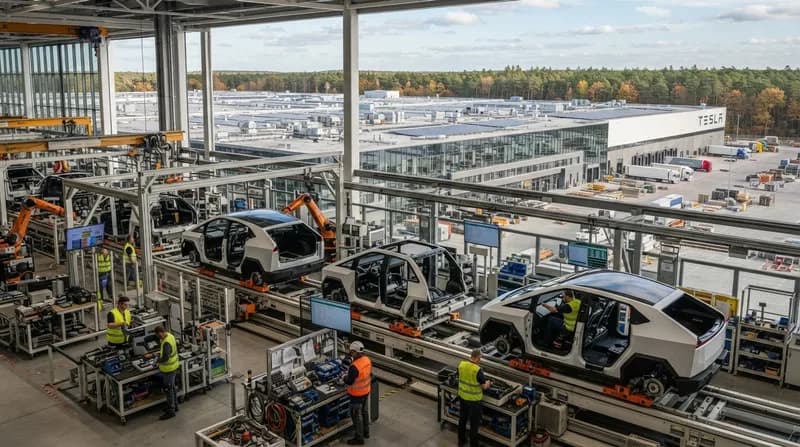
The expansion plan is ambitious in both scale and technology. By 2029, Tesla intends to have a dedicated production line operational, with the capacity to churn out up to one million Cybercabs annually. André Thierig, plant manager of the site, has emphasized that this project is intended to establish the Grünheide facility as the most technologically sophisticated production hub in the global Tesla network.
Phased Growth and Operational Timeline
The path to producing a million robotaxis per year involves a meticulously structured, three-phase construction schedule. The first phase, which commenced with partial approvals granted in late 2024, focused on optimizing the existing infrastructure and logistics capabilities. The forthcoming second phase is set to introduce the massive new production hall specifically tailored for the Cybercab, with formal construction work expected to begin in the first half of 2027.
Beyond the vehicle assembly lines, the project also prioritizes sustainability and utility. A significant portion of the site development includes advanced on-site water management systems. To address regional environmental concerns, Tesla is integrating an sophisticated wastewater treatment plant. This internal facility will allow the factory to expand its headcount and manufacturing volume without placing additional strain on local water resources, ensuring the plant operates within the contractually agreed-upon water consumption limits established with local authorities.
Scaling Battery Production and Workforce
While the Cybercab is the headline of this expansion, the infrastructure surrounding it is equally critical. Tesla is pushing its in-house battery cell production toward full capacity, with a target of mid-2027 to reach peak output. This vertical integration is a core component of the site’s financial and operational strategy, allowing the company to retain tighter control over supply chains as it ramps up for the 2029 target.
Human capital remains a priority for the facility as well. After a period of fluctuation that saw the workforce dip and subsequently recover to its current level of 12,600 employees, the company is now actively recruiting to meet the new demands. Specialists in manufacturing planning and construction are currently being sought, alongside an additional 1,500 workers dedicated specifically to the battery production expansion. The successful execution of this plan signals a strong rebound for the Grünheide site, which has recently seen its production outputs climb toward the 7,500-vehicle weekly limit.
Why it Matters
- Strategic Shift: The move signals Tesla’s pivot toward autonomous vehicle dominance in Europe.
- Sustainability: On-site water treatment facilities set a new benchmark for industrial water management in the region.
- Economic Impact: The three-billion-euro injection cements the factory's role as a cornerstone of Brandenburg’s industrial economy.
- Technological Milestone: The assembly line transition toward driverless vehicles represents a major evolution in mass-production techniques.