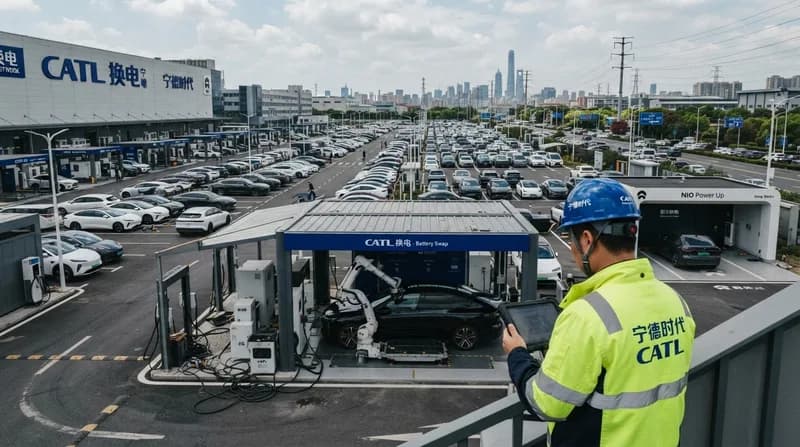
The Expansion Strategy
CATL is rapidly scaling its infrastructure to become the primary force in China's passenger car battery-swapping market. By the end of 2027, the company aims to operate a sprawling network of 6,000 swapping stations, a target that industry analysts believe will allow it to surpass the currently dominant Nio. This aggressive expansion strategy is focused on high-traffic areas, with 5,000 stations slated for urban centers and an additional 1,000 strategically positioned along major motorways. The latter will cover eleven north-south and nine east-west transit routes, ensuring long-distance travel is as seamless as a quick pit stop.
The Choco-SEB Ecosystem
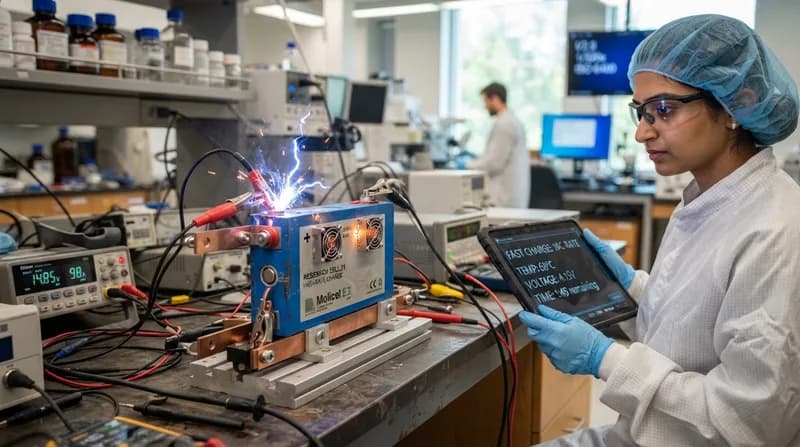
At the heart of this network is the proprietary 'Choco-SEB' technology, which stands for 'Swapping Electric Blocks.' The name is derived from the modular design of the batteries, which resemble individual bars of chocolate. This modularity is a critical innovation, allowing the company to offer standardized, swappable energy units that can be configured for various vehicle types, including passenger cars, vans, and heavy-duty trucks. By decoupling the battery from the vehicle ownership experience, CATL is creating a flexible energy supply chain that addresses the primary consumer anxiety regarding charging times and battery degradation.
Why it Matters
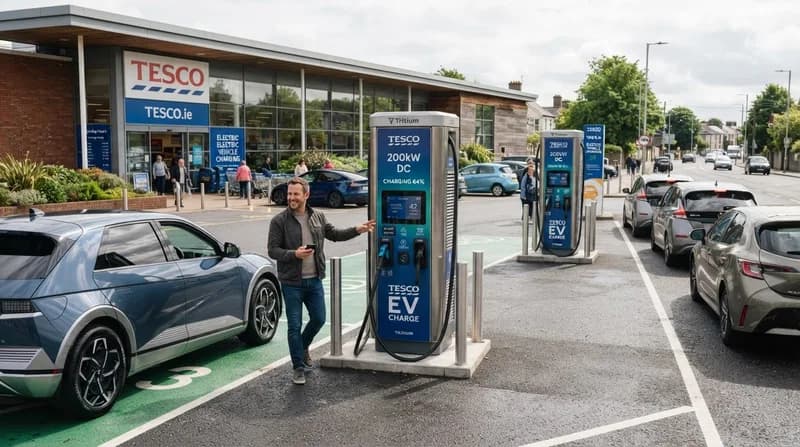
The transition toward battery swapping represents a fundamental shift in how the industry approaches EV fueling. While standard plug-in charging remains the global norm, the swap model effectively eliminates 'charging downtime,' enabling a full energy replenishment in minutes rather than hours. CATL's pivot toward passenger cars signals a maturation of the technology, which it has already successfully scaled for the heavy-duty trucking industry. With partners like the BAIC Group—which recently integrated CATL's swappable batteries into its new Arcfox Beta T1—the network is rapidly gaining the vehicle compatibility required for mainstream adoption.
The Competitive Landscape
- Rapid Scaling: CATL has already demonstrated significant momentum, growing its network from 1,020 stations at the end of 2025 to over 2,500 by late 2026.
- Network Reach: The planned 2027 expansion aims to encompass nearly every prefecture-level city and directly administered municipality across China.
- Global Ambitions: While the current focus is domestic, CATL has already signaled global intent through its 'Swaptopus' joint venture with Octopus Energy, which aims to develop a battery-swapping network for electric heavy goods vehicles in Europe.
As CATL continues to integrate its hardware into more automotive brands, the standardisation of the Choco-SEB format could serve as the bedrock for a new era of electrified mobility, potentially setting the template for global battery infrastructure.