The Anatomy of an EV Range Champion
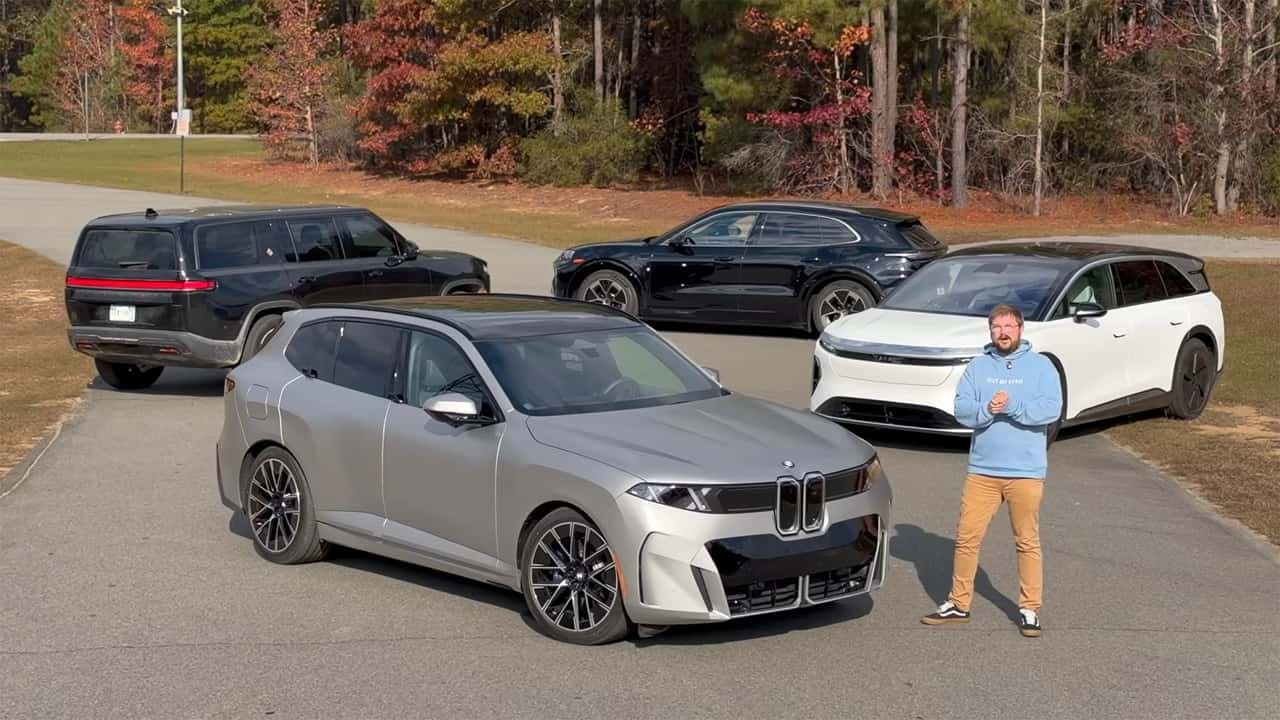
In the evolving landscape of electric vehicle performance, the BMW iX5 has made a resounding statement during recent high-speed highway range testing. When pitted against formidable competitors like the Lucid Gravity, the Rivian R1S Dual Max, and the Porsche Cayenne Turbo Electric, the iX5 claimed the top spot by covering an impressive 410.8 miles at a steady 70 mph. This victory provides a fascinating look at the two diverging philosophies in EV engineering: the pursuit of maximum efficiency versus the brute-force approach of massive energy storage.
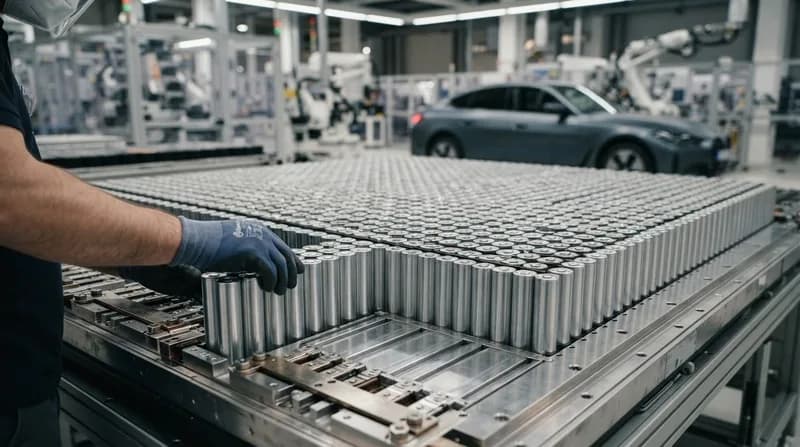
The BMW iX5 features a massive 144 kWh usable battery capacity. This immense reservoir of energy allowed the vehicle to stay on the road longer than its peers, effectively nullifying the efficiency advantages held by rivals. While the vehicle did experience a quirk where it required a manual restart after initially reaching its rated capacity of 400 miles, it was able to unlock an additional 4 kWh of hidden energy, allowing it to complete the final stretch and solidify its lead. This performance suggests that for the average driver, a massive battery remains the most effective antidote to range anxiety, even if it adds weight and complexity to the vehicle's design.
Lucid Gravity Grand Touring
Positioned as the primary challenger, the Lucid Gravity Grand Touring put in a strong performance, securing second place with a total of 367.7 miles at highway speeds. Built upon a 123 kWh battery pack, the Gravity demonstrated superior efficiency metrics compared to the BMW. Although it fell short of the iX5’s total distance, its ability to squeeze more miles out of each kilowatt-hour highlights the high-level powertrain engineering Lucid is known for. It remains a benchmark for how aerodynamic design and motor efficiency can extend range without necessarily relying on the heaviest battery configurations.
Rivian R1S Dual Max
The Rivian R1S Dual Max landed in third place, recording 349 miles of range. It is worth noting that the vehicle tested had accumulated significant mileage—roughly 30,000 miles—which may have influenced the energy extraction compared to factory-fresh units. Despite the wear and tear, the R1S remains a rugged and highly capable contender. The data suggests that while the Rivian offers a balanced package for off-road and on-road utility, it faces stiff competition when it comes to maximizing long-haul efficiency against the newer architectures from BMW and Lucid.
Porsche Cayenne Turbo Electric
Rounding out the group was the Porsche Cayenne Turbo Electric, which managed 309 miles. While this figure might appear low by comparison, it is essential to frame it within the context of the vehicle's core mission: performance. The Cayenne is engineered for driving dynamics and power rather than being a pure efficiency-first commuter. Equipped with a 108 kWh battery—the smallest in this test—it actually showed higher efficiency per mile than the BMW. The result serves as a reminder that Porsche prioritizes the driver's experience and towing capabilities, sacrificing some total range to maintain a specific performance profile.
Why It Matters
This head-to-head comparison illustrates a critical shift in the EV market. As manufacturers push toward the 400-mile highway range barrier, they are currently choosing between two paths: perfecting energy consumption (efficiency) or simply scaling battery size. The BMW iX5 proves that until energy density technology undergoes a revolutionary change, packing more kilowatt-hours remains the most reliable path to eliminating highway range anxiety for long-distance commuters and road-trip enthusiasts.