The Emergence of ASTAG Charge
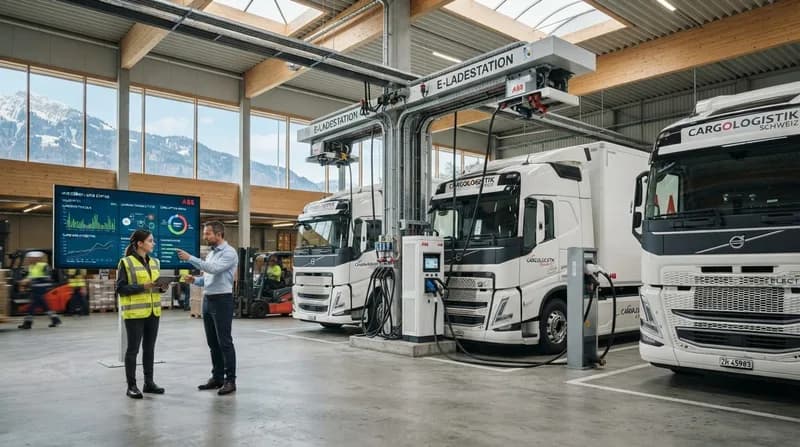
In a significant move for European heavy-duty logistics, the Swiss Commercial Vehicle Association (ASTAG) has officially launched ASTAG Charge, a pioneering infrastructure sharing network designed specifically for electric trucks. By pooling the existing assets of 100 member companies across 60 locations, the initiative addresses the growing need for reliable, cost-effective, and readily available charging solutions in the Alpine nation.
The launch marks the formal consolidation of two prior initiatives, Utopia and ASTAG Charge, both of which were built upon the robust Depotcharge software platform developed by Munich-based Evolve Energy. With 200 active charging points already connected and a current fleet of 585 electric trucks utilizing the network, this collaboration serves as a practical solution to the 'underutilization' problem that frequently plagues private commercial charging sites.
How the Sharing Ecosystem Works
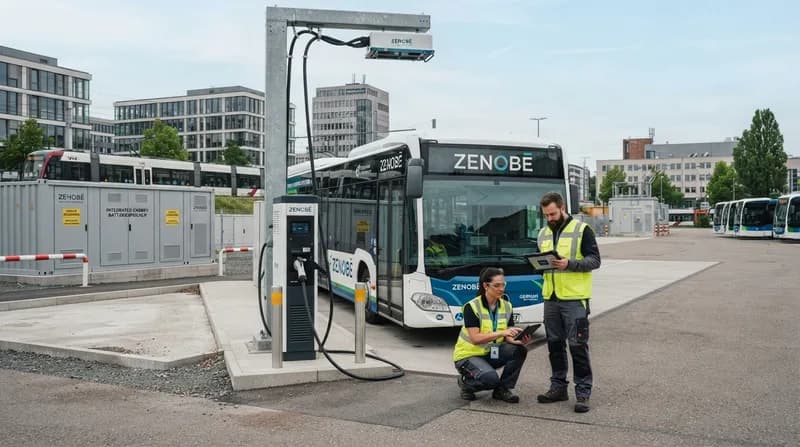
At its core, ASTAG Charge operates on a simple, transparent premise: allowing fleet operators who require charging to access the underutilized capacity of sites owned by other member firms. Because heavy-duty electric trucks often require specific depot-level charging solutions, public stations can be both expensive and inefficient. By leveraging private infrastructure, the network creates a mutually beneficial environment where site operators monetize their idle hardware and fleet operators drastically reduce their energy costs.
Registration for the program is exclusively for association members, ensuring that the network remains secure and operationally cohesive. There are no burdensome setup or fixed monthly fees for participants; the business model is strictly transaction-based, meaning costs are only incurred when charging actually occurs. Automated billing and reservation systems—managed via the integrated software platform—remove the friction typically associated with multi-party logistics coordination.
The Strategic Impact of Infrastructure Pooling
The urgency behind this launch is underscored by Switzerland's aggressive shift toward sustainable transport. According to recent data, electric trucks over 16 tonnes account for nearly one-quarter of all new registrations in the country—the highest rate in Europe. This rapid transition has outpaced the development of public heavy-duty charging infrastructure, leading to a bottleneck in supply.
The implications of this model are clear: by prioritizing network density over the construction of entirely new public stations, ASTAG is creating a scalable blueprint for the industry. Site operators report the potential for 50% higher revenue through the monetization of spare capacity, while fleet operators enjoy estimated savings of 50% compared to traditional public charging rates. As the project integrates with the Swiss Federal Office of Energy’s 'Electromobility 2030' roadmap, it establishes a high-water mark for how private industry can collaborate to solve the collective challenges of the electric transition.
Why It Matters
- Cost Efficiency: Eliminates reliance on expensive public charging stations, slashing operational energy costs for logistics firms by up to 50%.
- Resource Optimization: Turns stagnant, private charging hardware into revenue-generating assets for site owners.
- Rapid Scalability: Uses existing infrastructure rather than waiting for slow-moving public utility projects, allowing for immediate expansion across the country.
- Technological Foundation: Operates on the Depotcharge software platform, which allows for remote, rapid integration of new sites into the network.