Scaling Heavy-Duty Electric Logistics
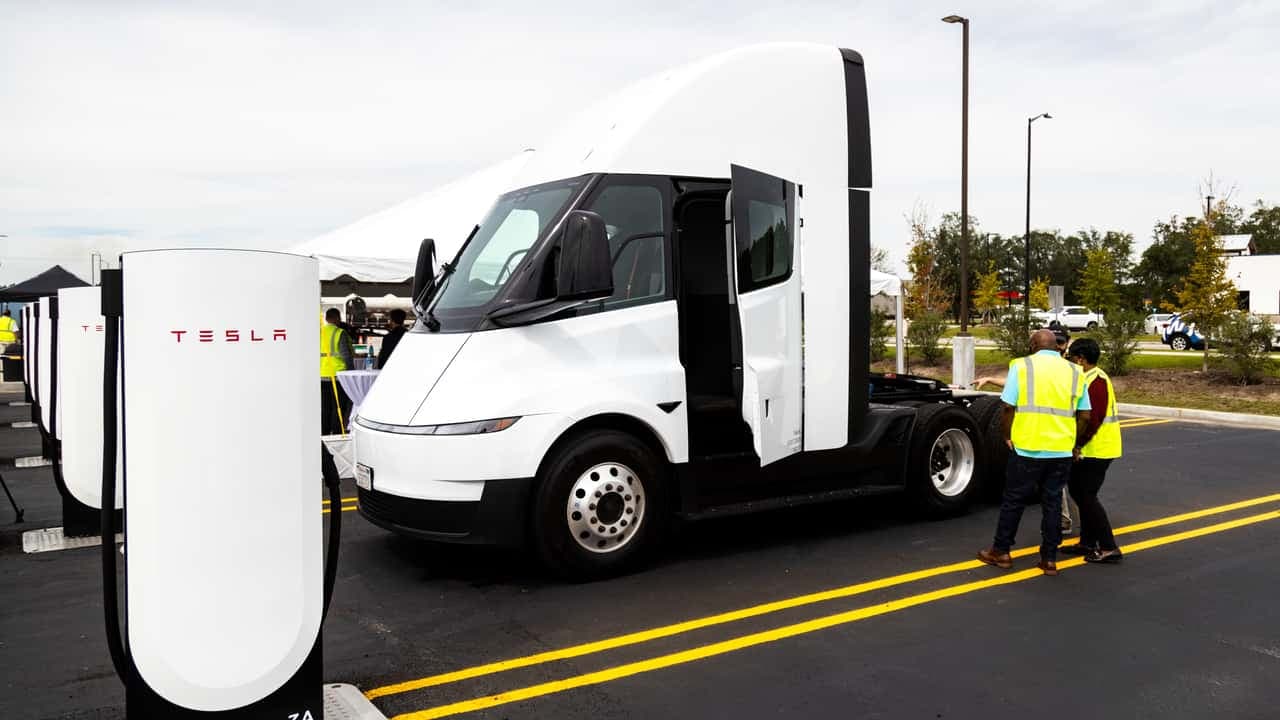
The transition to electric heavy-duty trucking has hit a critical milestone. Tesla and Pilot Company have officially launched a collaborative initiative to build out a national network of high-powered charging infrastructure specifically designed for the Tesla Semi. By leveraging the existing footprint of Pilot’s widespread travel center network, the partnership aims to integrate electrified logistics into established freight corridors, effectively removing one of the most significant barriers to the adoption of long-haul electric rigs: accessibility.
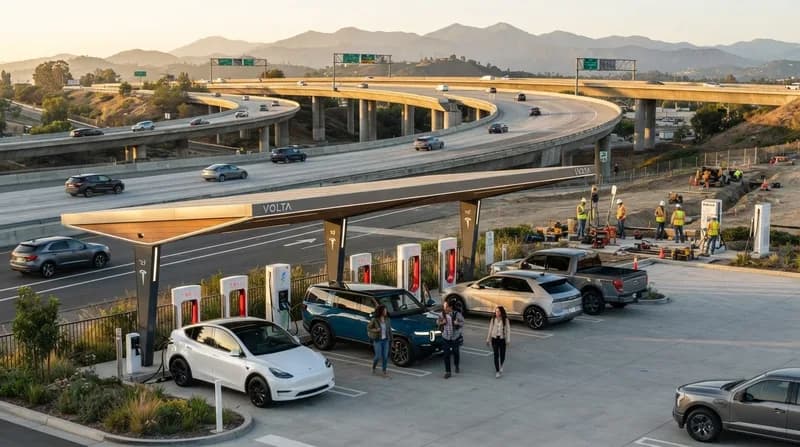
The first of these specialized stations is already operational in Ellabell, Georgia, marking the start of a strategic rollout that spans key logistics routes across the United States. With more than a dozen locations currently in various stages of construction, the project targets major interstate highways including I-5, I-10, and other essential corridors in states such as Indiana, Nevada, Texas, and California. By placing these chargers where truckers already stop, the initiative ensures that charging stops can be seamlessly integrated into existing duty cycles.
The Tech Behind the Megacharger
The cornerstone of this infrastructure is the Tesla Megacharger, a high-voltage system engineered to handle the massive energy requirements of heavy-duty freight vehicles. The Ellabell facility, for example, features six dedicated stalls, each capable of delivering an impressive 1.2 megawatts of power. This raw speed is transformative for logistics operators, enabling a Tesla Semi to boost its state of charge by 60% in roughly 30 minutes. This level of throughput makes it feasible for fleet operators to maintain aggressive delivery schedules without excessive downtime.
While the Ellabell site utilizes a back-in design, the infrastructure strategy is evolving to accommodate diverse yard layouts. For instance, a secondary station in Conley, Georgia, demonstrates the flexibility of the network with a pull-through design, allowing for faster transit in and out of the charging area. Each new site will feature between four and eight stalls, providing scalable capacity that can grow alongside the increasing volume of electric trucks entering commercial service.
Why It Matters: Bridging the Gap
- Strategic Placement: By anchoring chargers at Pilot Travel Centers, fleets gain access to reliable, secure locations that already offer food, rest, and support services.
- Rapid Throughput: The 1.2-megawatt capacity addresses the specific needs of large battery packs, turning the chore of "refueling" into a short, manageable break.
- Broad Network Integration: Beyond the dedicated Tesla Semi infrastructure, Pilot continues to lead in general EV charging, with over 1,300 stalls currently active and plans to scale to 2,000 units across 500 locations nationwide.
A Future-Proofed Freight Network
The collaboration between Tesla and Pilot represents a significant shift toward a more robust, national electric transport ecosystem. With the Tulare, California, Flying J location already coming online and upcoming expansions in Fort Stockton and North Las Vegas, the physical infrastructure is quickly catching up to the capabilities of modern electric trucks. As the network matures, the ability for heavy-duty freight to move across the country on electric power will no longer be a pilot project, but a reliable, standardized part of the American logistics landscape.