ScienceTechnical Deep Dive

Study Challenges Theory That Individual Recycling Hinders Climate Policy Support

Published
EElectricBuzz Editorial Team
Study Challenges Theory That Individual Recycling Hinders Climate Policy Support
1 min read148 wordsElectricBuzz Editorial Team

The Gist

“A four-year study of thousands of participants suggests that individual green habits do not distract citizens from supporting broader systemic environmental reforms.”

A common debate in environmental circles suggests that focusing on individual actions—such as recycling or adopting greener diets—might act as a distraction, potentially reducing public pressure for large-scale political and industrial reforms. However, new research indicates that these personal choices do not diminish support for major climate policy.

The Four-Year Study

Researchers conducted a comprehensive four-year study involving nearly 2,800 participants in Australia to test the 'distraction' hypothesis. The study tracked personal habits and political engagement over time to see if sustainable lifestyle choices led to complacency regarding systemic change.

No Link Between Habits and Political Apathy

The findings revealed that personal environmental habits neither increased nor reduced subsequent political engagement. The data suggests that people can simultaneously manage personal lifestyle changes and support significant environmental legislation without one activity cannibalizing the other. This evidence challenges the notion that individual responsibility is a barrier to collective climate action.


SPONSORED
The 5 Best Over-Ear ANC Headphones of 2026, Tested & Ranked
Editor's Pick Guide
92/100
Tech & Gadgets•12 min read

The 5 Best Over-Ear ANC Headphones of 2026, Tested & Ranked

We locked five over-ear ANC picks for 2026 — Sony WH-1000XM6, Bose QuietComfort Ultra 2, Soundcore Space One, Sennheiser Momentum 5, and Apple AirPods Max 2 — then stress-tested them on lab metrics, long-term owner truth, and live street prices.

Related Stories

Semantically matched articles, ranked by topic overlap and freshness.

The Timing of Screen Exposure: Why Ages 1 and 6 Are Critical Windows for Child Development
Science

The Timing of Screen Exposure: Why Ages 1 and 6 Are Critical Windows for Child Development

New longitudinal research identifies specific developmental stages where screen time may disproportionately impact future memory and academic performance.

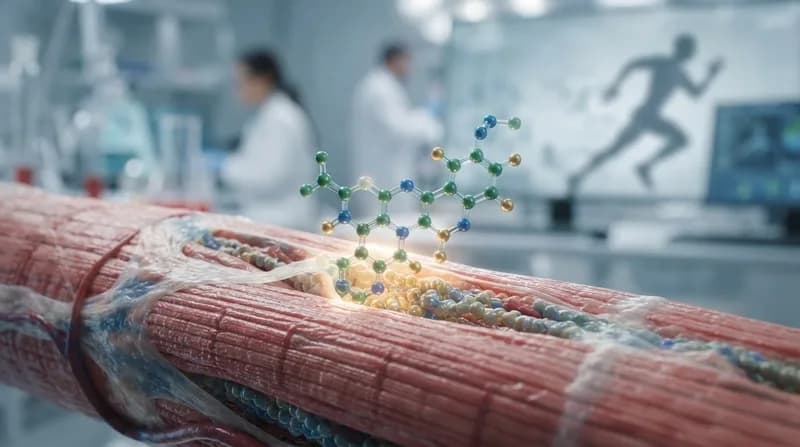
Scientists Discover Natural Molecule That 'Teaches' Muscles to Stay Strong
Science

Scientists Discover Natural Molecule That 'Teaches' Muscles to Stay Strong

A breakthrough study from the University of Leeds reveals how a specific exercise-induced molecule helps muscles adapt, resist fatigue, and potentially fight the effects of type 2 diabetes.

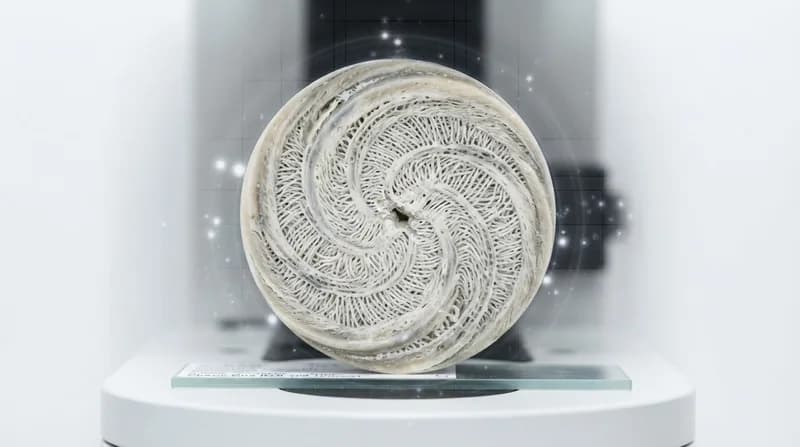
Engineering the Unicorn: The Hidden Architectural Secret of Narwhal Tusks
Science

Engineering the Unicorn: The Hidden Architectural Secret of Narwhal Tusks

New synchrotron X-ray research reveals that the narwhal's iconic spiral tusk is built from two opposing microscopic helices, mirroring advanced composite engineering.

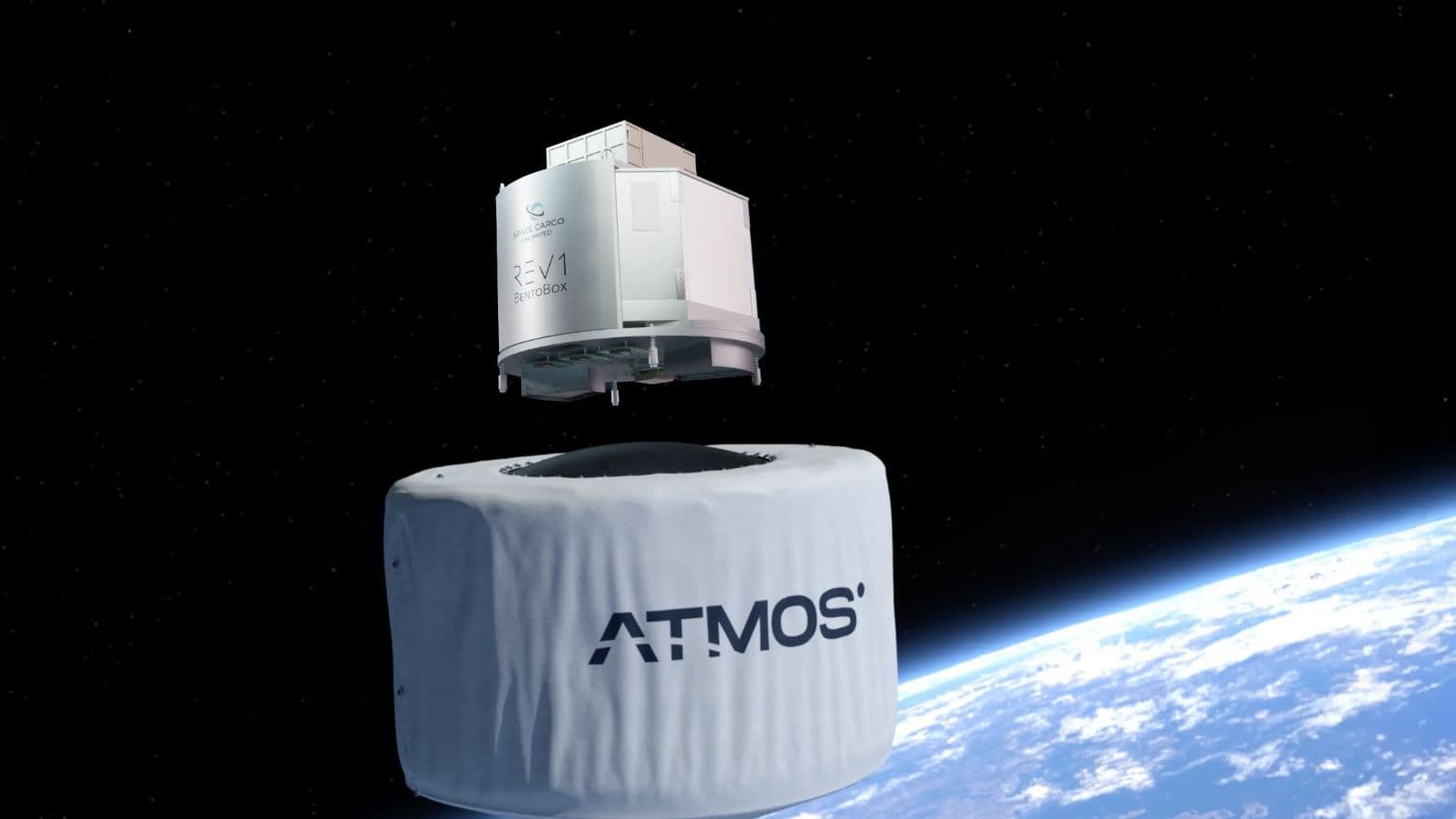
Precision Orbital Deep Strike: Europe Explores Space-Based Defense Capabilities
Science

Precision Orbital Deep Strike: Europe Explores Space-Based Defense Capabilities

Atmos Space Cargo and MBDA have launched a feasibility study for a new orbital strike system, signaling a major shift in European strategic defense infrastructure.

Medical Imaging Breakthrough: High-Resolution 3D Ultrasound Maps Entire Human Kidney
Science

Medical Imaging Breakthrough: High-Resolution 3D Ultrasound Maps Entire Human Kidney

Researchers have successfully visualized the complete vascular network of a human kidney in 3D for the first time, using advanced ultrasound technology to detect microvascular health.

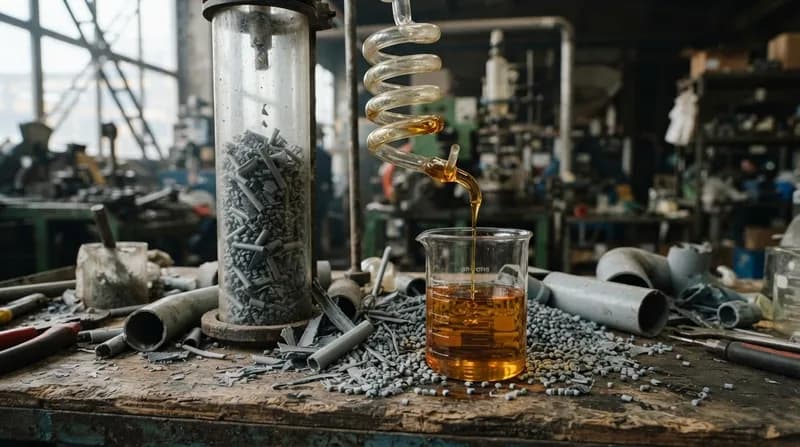
From Landfill to Lubricant: The Breakthrough Turning PVC Into Engine Oil
Science

From Landfill to Lubricant: The Breakthrough Turning PVC Into Engine Oil

Virginia Tech researchers have unveiled a chemical process that transforms notoriously difficult-to-recycle PVC plastic into high-performance synthetic engine lubricants.

MIT’s Dual-Action Strategy Breathes New Life Into Toxic Antibiotic Candidates
Science

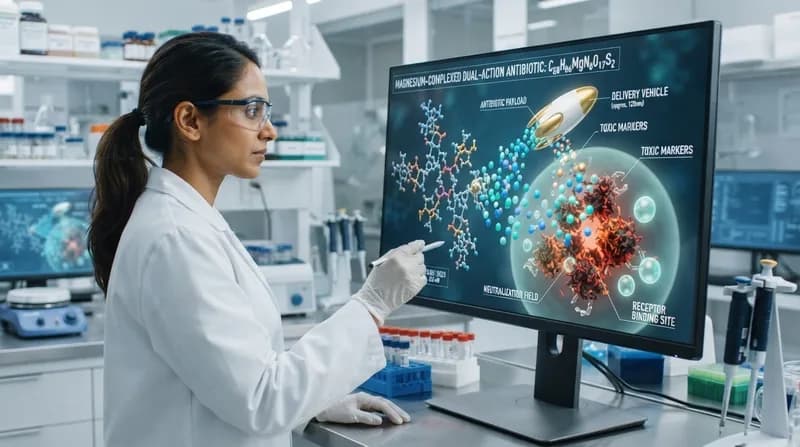
MIT’s Dual-Action Strategy Breathes New Life Into Toxic Antibiotic Candidates

Researchers have developed a clever 'drug and antidote' delivery system that renders previously unusable, highly toxic compounds safe for fighting bacterial infections.

Harvard’s Microscopic UV Chip Could Shrink Quantum Computers to Desktop Size
Science

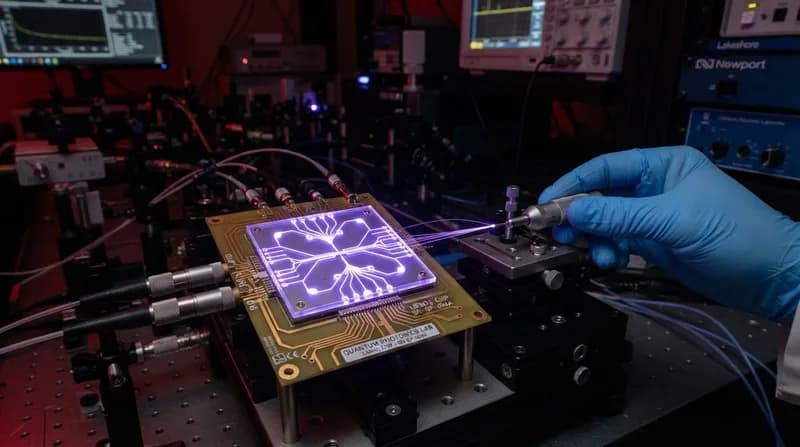
Harvard’s Microscopic UV Chip Could Shrink Quantum Computers to Desktop Size

Researchers have developed a breakthrough lithium niobate photonic device that generates high-power ultraviolet light on a chip, potentially revolutionizing quantum computing and sensor technology.