The Secret Messenger of Exercise
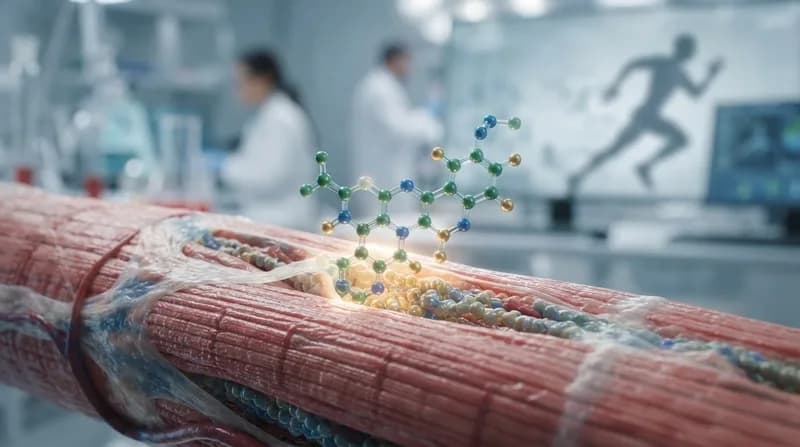
For decades, the benefits of physical activity have been clear, but the precise biological instructions the body follows to adapt to movement have remained elusive. Now, a groundbreaking study published in Nature Communications by researchers at the University of Leeds has identified a critical chemical messenger—a molecule called L-β-aminoisobutyric acid (L-BAIBA)—that acts as the body’s internal signal for muscle transformation.
When we exercise, our muscles don't just work; they communicate. L-BAIBA is released during physical activity, serving as a primary regulator that tells muscle fibers to become stronger, more efficient, and more resistant to the inevitable fatigue that follows intense exertion. This discovery shifts our understanding of exercise from a general health recommendation to a specific molecular process that can be targeted for future medical interventions.
Why It Matters: Bridging the Gap in Diabetes Care
The implications of this discovery extend far beyond basic athletic performance. For individuals living with type 2 diabetes, the disease often compromises the structural and metabolic integrity of muscle tissue. This degeneration creates a feedback loop: muscle weakness makes exercise significantly more difficult, which in turn exacerbates the complications of the disease, including increased risks of cardiovascular events.
By identifying L-BAIBA as the bridge between physical activity and healthy muscle adaptation, researchers have provided a new target for therapies. If this molecule can be harnessed, it could provide a way to preserve muscle function and metabolic health in patients who currently find exercise physically daunting due to chronic fatigue or muscle deterioration. While L-BAIBA is already available as a dietary supplement, the team emphasizes that further clinical research is required to determine if supplementation can replicate these specific therapeutic benefits in humans.
Key Scientific Takeaways
- Molecular Signaling: L-BAIBA functions as a 'metabokine,' a signal that translates physical movement into structural changes within the skeletal muscle.
- Dual Action: The molecule not only aids in fat-burning—a discovery highlighted in earlier 2014 research—but also directly improves muscle contraction and endurance.
- Diabetes Protection: The molecule appears to mitigate the damage caused by type 2 diabetes, which disrupts how muscles process energy and maintain mass.
- Collaborative Effort: The study was a global effort, featuring collaboration between the University of Leeds, Harvard Medical School, the University of São Paulo, Wageningen University, and Newcastle University.
The Future of Muscle Preservation
The research, funded by Diabetes UK and the BBSRC, opens a promising window into personalized medicine. As the prevalence of type 2 diabetes continues to climb among younger populations, the urgency to find biological interventions that support long-term physical activity has never been greater. By understanding the PGC1α-BAIBA-PPARδ signaling axis, scientists are moving closer to 'exercise mimetic' strategies—treatments that could potentially help patients maintain the muscle health that is so vital to managing chronic conditions.
While this marks a significant milestone, the medical community remains cautious. Experts note that although L-BAIBA supplementation is currently commercially available, the leap from a laboratory finding to a standardized, effective medical treatment for diabetes requires rigorous, large-scale human trials. Nevertheless, this discovery provides a powerful new framework for scientists to explore how we might one day protect the human body from the physiological decline associated with aging and chronic metabolic disease.