ScienceTechnical Deep Dive

From Landfill to Lubricant: The Breakthrough Turning PVC Into Engine Oil

Published
EElectricBuzz Editorial Team
From Landfill to Lubricant: The Breakthrough Turning PVC Into Engine Oil
3 min read526 wordsElectricBuzz Editorial Team

The Gist

“Virginia Tech researchers have unveiled a chemical process that transforms notoriously difficult-to-recycle PVC plastic into high-performance synthetic engine lubricants.”

A New Life for Stubborn Waste

Polyvinyl chloride, better known as PVC, has long been a pariah of the recycling industry. Found in everything from legacy plumbing pipes and window frames to credit cards, its chemical complexity—driven by chlorine content and an array of stabilizing additives—has rendered it a nightmare for traditional mechanical recycling. Most of the world's PVC eventually ends up discarded in landfills, contributing to a global pollution crisis. However, a team of researchers at Virginia Tech has discovered a path to turn this environmental burden into a high-value industrial asset.

Led by chemist Guoliang “Greg” Liu, the team has pioneered a chemical process that converts waste PVC into polyalphaolefin, a premium base oil critical for synthetic lubricants. This breakthrough, recently published in the journal Nature, marks a significant shift from simple recycling—which often degrades material quality—to true upcycling, where waste is transformed into a product of higher utility and economic value.

The Three-Hour Chemical Transformation

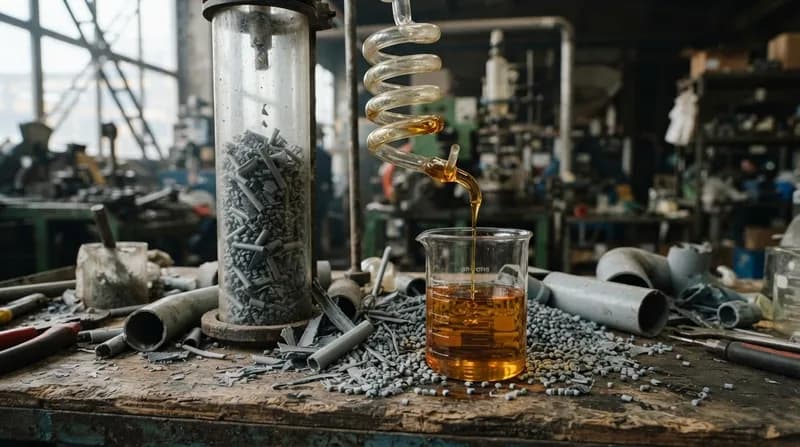
The process is surprisingly streamlined. To begin, discarded PVC plastic is submerged in a specialized solvent. The researchers then introduce aluminum trichloride and alpha-olefins, which are hydrocarbon chains essential for lubricant production. By heating this specific mixture to 158 degrees Fahrenheit for a duration of just three hours, the chemical structure of the PVC is broken down and reformed into a stable, high-performance base oil.

This resulting polyalphaolefin is the gold standard for synthetic engine oils. It is prized for its thermal stability, consistent performance across wide temperature fluctuations, and its ability to drastically reduce friction in mechanical systems. From household lawn mowers to heavy-duty industrial machinery and high-revving jet engines, this recycled lubricant could soon provide a sustainable alternative to the virgin petroleum-based products currently dominating the market.

Why It Matters

  • Closing the Loop: The process effectively addresses two global challenges: the buildup of permanent, non-biodegradable PVC plastic waste and the carbon-intensive manufacturing demand for industrial lubricants.
  • Economic Potential: By treating waste as a raw material source, the method transforms a financial liability (disposal fees for hazardous waste) into an industrial commodity.
  • Sustainability at Scale: The technique relies on established chemical principles that could be scaled up to meet the massive demand for engine oils while lowering the environmental footprint of the automotive and manufacturing sectors.

The Path Toward Industrial Scaling

While the laboratory success is a monumental milestone, the researchers are already looking ahead to the next phase: commercial viability. The team is currently modeling manufacturing aspects to determine the feasibility of larger-scale production. By collaborating with experts at institutions like Texas A&M and Caltech, they are analyzing the chemical stability and performance metrics of the recycled oil to ensure it meets rigorous industrial standards.

As the project transitions from the lab bench to potential real-world deployment, the implications for the circular economy are profound. The "three musketeers" of the research team—graduate researchers who led the investigative efforts—have proven that with the right chemical approach, even the most stubborn "forever plastics" can be reintegrated into the supply chain. This discovery not only provides a cleaner future for our engines but also offers a template for how scientists might tackle other complex polymer wastes in the future.


SPONSORED
The 5 Best Over-Ear ANC Headphones of 2026, Tested & Ranked
Editor's Pick Guide
92/100
Tech & Gadgets•12 min read

The 5 Best Over-Ear ANC Headphones of 2026, Tested & Ranked

We locked five over-ear ANC picks for 2026 — Sony WH-1000XM6, Bose QuietComfort Ultra 2, Soundcore Space One, Sennheiser Momentum 5, and Apple AirPods Max 2 — then stress-tested them on lab metrics, long-term owner truth, and live street prices.

Related Stories

Semantically matched articles, ranked by topic overlap and freshness.

Precision Orbital Deep Strike: Europe Explores Space-Based Defense Capabilities
Science

Precision Orbital Deep Strike: Europe Explores Space-Based Defense Capabilities

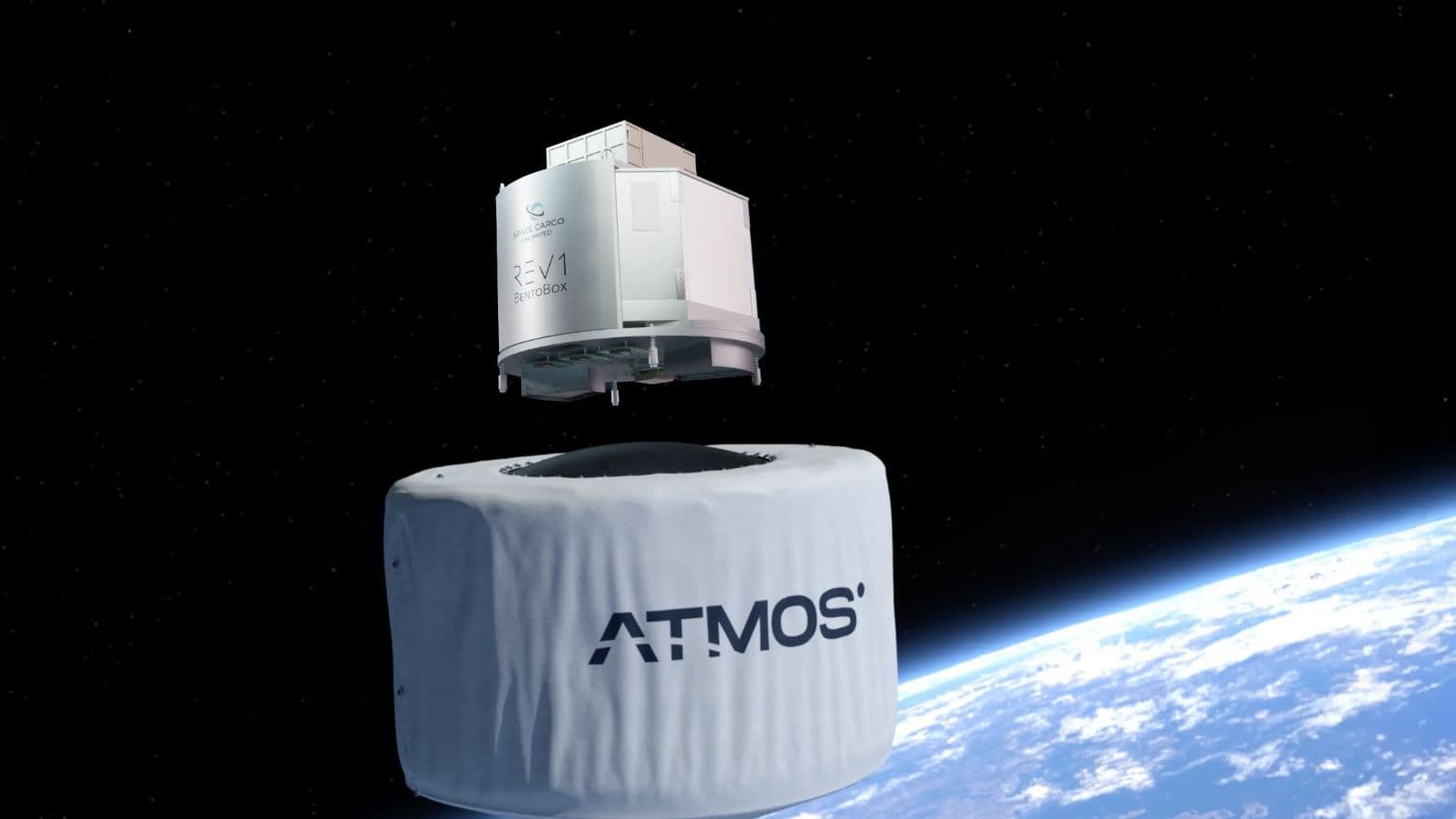
Atmos Space Cargo and MBDA have launched a feasibility study for a new orbital strike system, signaling a major shift in European strategic defense infrastructure.

Medical Imaging Breakthrough: High-Resolution 3D Ultrasound Maps Entire Human Kidney
Science

Medical Imaging Breakthrough: High-Resolution 3D Ultrasound Maps Entire Human Kidney

Researchers have successfully visualized the complete vascular network of a human kidney in 3D for the first time, using advanced ultrasound technology to detect microvascular health.

MIT’s Dual-Action Strategy Breathes New Life Into Toxic Antibiotic Candidates
Science

MIT’s Dual-Action Strategy Breathes New Life Into Toxic Antibiotic Candidates

Researchers have developed a clever 'drug and antidote' delivery system that renders previously unusable, highly toxic compounds safe for fighting bacterial infections.

Harvard’s Microscopic UV Chip Could Shrink Quantum Computers to Desktop Size
Science

Harvard’s Microscopic UV Chip Could Shrink Quantum Computers to Desktop Size

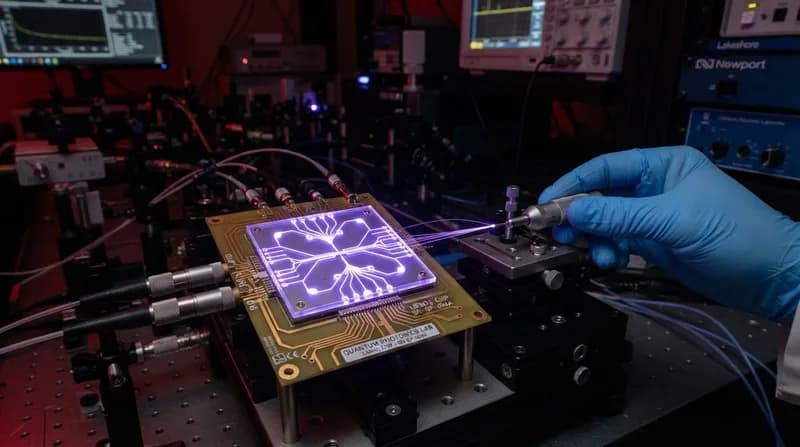
Researchers have developed a breakthrough lithium niobate photonic device that generates high-power ultraviolet light on a chip, potentially revolutionizing quantum computing and sensor technology.

PicoQuant’s Solira Streamlines the Hunt for the Perfect Quantum Emitter
Science

PicoQuant’s Solira Streamlines the Hunt for the Perfect Quantum Emitter

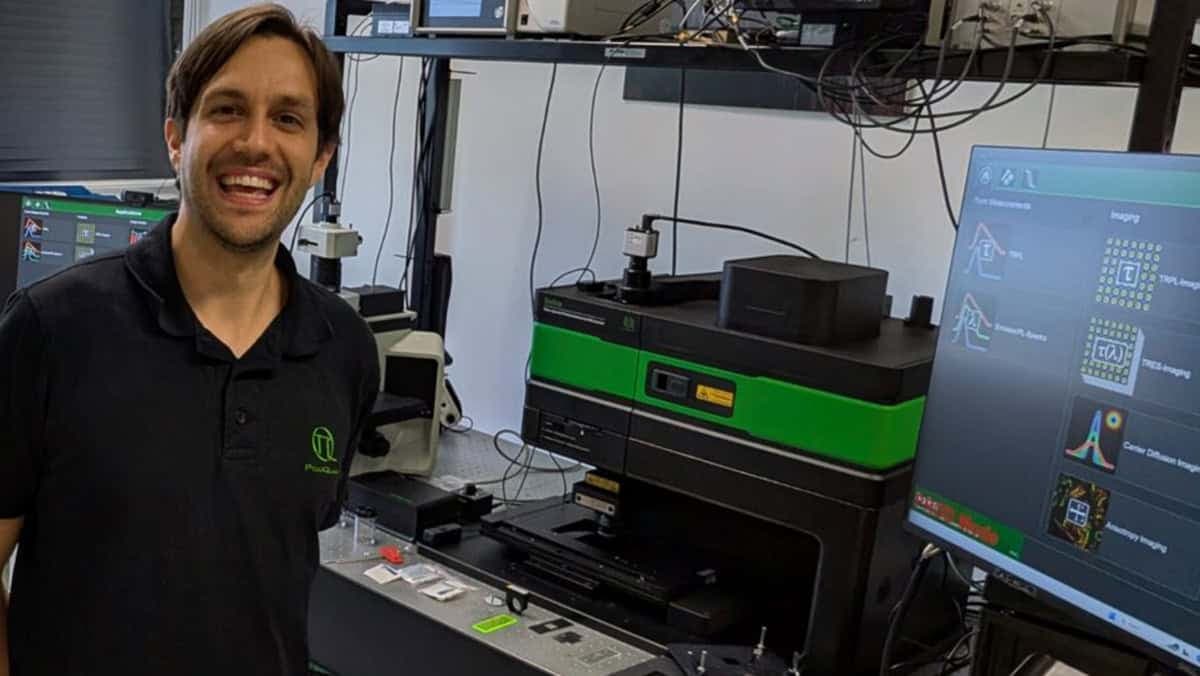
A new integrated microscopy platform is changing how researchers verify solid-state quantum emitters, bridging the gap between discovery and real-world quantum application.

Paleontology’s Biggest Case of Mistaken Identity: The Fossil That Wasn't a Reptile
Science

Paleontology’s Biggest Case of Mistaken Identity: The Fossil That Wasn't a Reptile

A 345-million-year-old fossil known as 'Lizzie' has been revealed to be an aquatic creature, forcing a massive rewrite of how vertebrates first stepped onto land.

Natural Synergy: Omega-3 and Aspirin Show Promise as Antibiotic Alternative for Gum Disease
Science

Natural Synergy: Omega-3 and Aspirin Show Promise as Antibiotic Alternative for Gum Disease

A year-long clinical trial reveals that a simple daily regimen of omega-3 and low-dose aspirin can match the efficacy of antibiotics in treating severe periodontitis.

Scientists Engineer 'Invisible Pipes' Using Acoustic Levitation
Science

Scientists Engineer 'Invisible Pipes' Using Acoustic Levitation

Researchers have developed a groundbreaking method to transport liquids and gases through mid-air using programmable ultrasonic sound waves, effectively creating an invisible conduit.