The Emergence of Orbital Deterrence
In a significant move toward the next frontier of European defense, two major industry players have signed an agreement to explore the development of weapons systems capable of being deployed from orbit. Atmos Space Cargo, a startup specialized in reusable reentry technology, is partnering with MBDA, Europe’s premier missile manufacturer, to investigate the feasibility of the Precision Orbital Deep Strike (PODS) system.
The initiative, announced mid-November, centers on the technical integration of proven missile technology with modern orbital transport capabilities. By combining Atmos's expertise in space logistics with MBDA’s extensive background in conventional weaponry, the partnership aims to determine how orbital platforms might enhance Europe’s strategic deterrence. The project is currently focused on high-level design, feasibility analysis, and the potential for future technology demonstrations, though the companies emphasize that any tangible deployment remains strictly subject to the oversight and approval of military and governmental bodies.
The Role of Atmos and MBDA
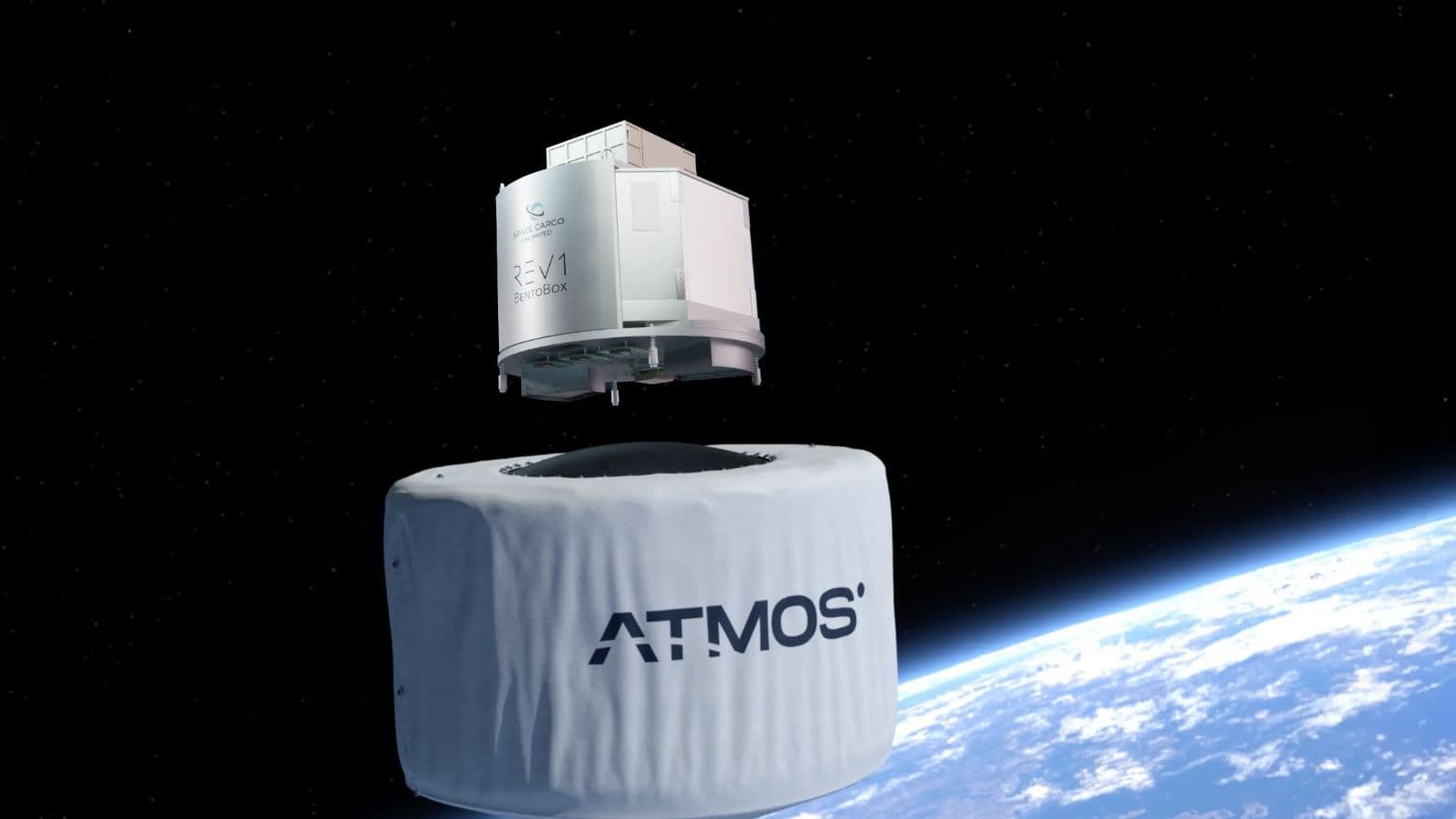
Atmos Space Cargo has already established its footprint in the private space sector through the development of the Phoenix reusable reentry vehicle. Earlier in 2025, the company successfully tested its innovative inflatable heat shield technology during a rideshare mission, proving that cargo can be safely returned from orbit to Earth. This foundational work provides the essential logistics framework upon which the PODS concept is built, suggesting that moving payloads through the atmosphere is an achievable capability for the firm.
MBDA, on the other hand, brings decades of experience in defense manufacturing. As Europe's largest missile producer, their involvement ensures that the project moves beyond mere theoretical space flight into the realm of practical defense utility. According to leadership from both companies, the project is designed to bolster European sovereignty by creating an independent layer of strategic infrastructure, effectively enabling a “space for defense” approach that secures both orbital and terrestrial interests.
Why it Matters
The collaboration comes at a time of increasing global focus on the militarization of space. With the U.S. Space Force already publicly confirming that it operates on-orbit weapons for defensive purposes, the geopolitical landscape of low-Earth orbit (LEO) is shifting rapidly. For Europe, developing its own orbital capabilities is seen as a way to ensure that its strategic infrastructure is not reliant on non-European partners. The PODS system represents a shift where space-based assets are no longer just for surveillance or communication, but are considered active components of a national or regional deterrent strategy.
Outlook and Implications
- Strategic Autonomy: The PODS project is part of a broader drive by European industry to achieve independence in aerospace defense.
- Dual-Use Technology: The underlying transport mechanisms, specifically inflatable heat shields and rapid reentry systems, have significant applications for commercial space manufacturing and supply chains.
- Regulatory Challenges: As the project moves toward potential demonstrators, it will likely face intense scrutiny regarding international treaties governing the placement of weapons in orbit.
- Technical Hurdles: Integration will require significant advancements in thermal protection systems and terminal guidance for high-speed, orbital-launched projectiles.