E-BUZZ ME Logo
ScienceTechnical Deep Dive

Geological Activity on Venus: New Evidence Suggests an Active Interior

Published
Geological Activity on Venus: New Evidence Suggests an Active Interior
1 min read147 words

The Gist

Advanced 3D simulations reveal that Venus may be geologically active, with giant rift valleys potentially still expanding today.

New research is challenging the long-held scientific consensus that Venus is a geologically dormant world. Recent evidence derived from advanced 3D simulations suggests that the planet may still be tearing itself apart from within due to internal tectonic forces.

Expanding Rift Valleys

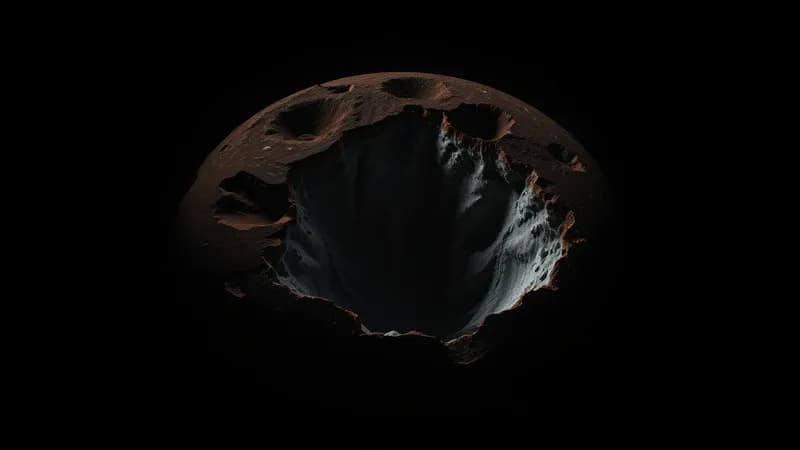
The simulations indicate that several of the planet's massive rift valleys were formed relatively recently in geological terms. More importantly, the data suggests these features could still be actively expanding. This discovery points toward a far more dynamic and volatile interior than previously documented by planetary scientists.

Challenging Old Assumptions

For decades, Venus was viewed as a planet with a stagnant lid, lacking the active plate tectonics or internal heat release mechanisms seen on Earth. However, these new findings suggest that the Venusian crust is undergoing significant stress, likely driven by mantle plumes or other internal thermal processes that continue to reshape its surface today.


Related Stories

Semantically matched articles, ranked by topic overlap and freshness.

Solar Analysis Reveals 55% More Silver in the Sun Than Previously Estimated
Science70%

Solar Analysis Reveals 55% More Silver in the Sun Than Previously Estimated

New atmospheric modeling suggests the Sun contains significantly higher levels of silver, aligning solar data with ancient meteorite compositions.

Venus Flytraps Snap Shut via Rapid Cell-Wall Softening
Science68%

Venus Flytraps Snap Shut via Rapid Cell-Wall Softening

New research debunking old water-transport theories reveals that Venus flytraps use rapid cell-wall softening to snap shut on prey.

Cosmic Speed Limits: How the Universe Outpaces Light
Science65%

Cosmic Speed Limits: How the Universe Outpaces Light

While nothing travels through space faster than light, the expansion of space itself allows distant galaxies to recede at speeds exceeding light-speed without violating Einstein's laws.

Orcas Observed Using High-Speed Impact Strategy to Shred Sunfish
Science64%

Orcas Observed Using High-Speed Impact Strategy to Shred Sunfish

Researchers in the Gulf of California have documented a previously unseen hunting behavior where orcas use high-speed collisions to dismantle sunfish carcasses.

From Soviet Physics to Martian Neighbors: Physics World Reviews the Latest Science Books
Science61%

From Soviet Physics to Martian Neighbors: Physics World Reviews the Latest Science Books

Physics World editors provide a condensed look at a diverse new collection of science literature covering everything from historical Soviet institutes to dystopian futures.

New Study Suggests Coffee Consumption Protects Liver Health
Science60%

New Study Suggests Coffee Consumption Protects Liver Health

A major long-term study indicates that drinking coffee may significantly reduce the risk of liver disease, including cirrhosis and cancer.

Study Challenges Theory That Individual Recycling Hinders Climate Policy Support
Science60%

Study Challenges Theory That Individual Recycling Hinders Climate Policy Support

A four-year study of thousands of participants suggests that individual green habits do not distract citizens from supporting broader systemic environmental reforms.

AI Data Centers Approach National-Scale Energy Consumption, UN Report Warns
Science60%

AI Data Centers Approach National-Scale Energy Consumption, UN Report Warns

A new United Nations report highlights the surging electricity demands of the AI industry, with data centers now rivaling the energy consumption of entire countries.