Unlocking the Power of Mitochondria in Oncology
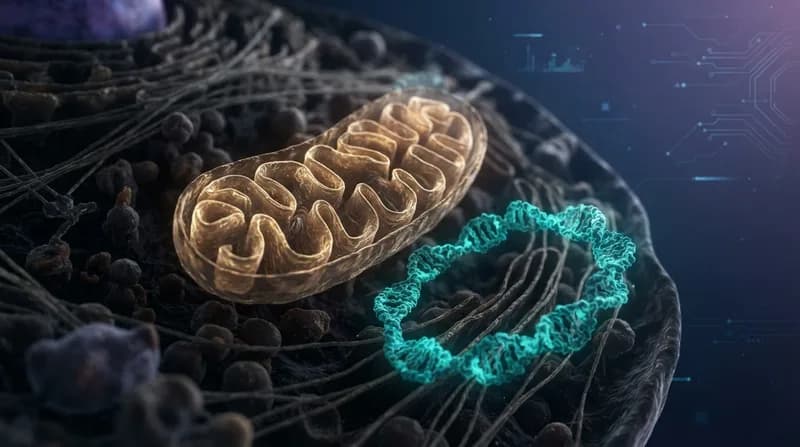
For decades, mitochondria have been primarily understood as the cellular 'powerhouses' responsible for energy production. However, groundbreaking research published in The FEBS Journal is shifting this perspective, framing these organelles as critical players in the complex landscape of cancer biology. Researchers have uncovered a compelling correlation between mitochondrial DNA (mtDNA) copy numbers and the aggressiveness of tumor cells, suggesting that the genetic footprint within our mitochondria may hold the key to understanding cancer progression.
Led by Dr. Riddhiman Dhar and his team at the Indian Institute of Technology Kharagpur, the study highlights that cancer cells often experience an increase in mtDNA copy numbers as a compensatory mechanism for impaired mitochondrial function. This molecular shift is not merely a byproduct of cellular stress; it acts as a diagnostic signature that correlates with the severity of genetic mutations found within the tumor. By analyzing these fluctuations, scientists are beginning to map out how mitochondrial health dictates the survival tactics of malignant tissues.
The Connection to Chemotherapy and Tumor Survival
Perhaps the most significant aspect of these findings is the link between mtDNA levels and the patient's potential response to medical treatment. The research indicates that variation in mtDNA copy number is associated with the differential expression of specific genes directly linked to how tumors interact with chemotherapy. When mtDNA levels are high, researchers observed an upregulation in genes that actively promote tumor growth and enhance the survival mechanisms of cancerous cells.
This discovery provides a potential breakthrough for personalized medicine. If clinicians can utilize mtDNA copy number as a biomarker, they might be able to predict how a patient’s specific tumor will respond to chemotherapy regimens before treatment begins. This predictive capability could drastically alter cancer management strategies, allowing for more tailored, effective, and less invasive therapeutic approaches that target the specific biological profile of an individual's cancer.
Why It Matters: A New Diagnostic Pathway
- Predictive Biomarkers: Monitoring mtDNA copy number could serve as a non-invasive indicator of disease severity and progression.
- Therapeutic Targeting: Understanding the link to chemotherapy response genes could help doctors bypass drug resistance in patients.
- Fundamental Understanding: The study reinforces the importance of mitochondrial dynamics in cellular transformation, proving that the energy-producing organelles are central to how cancers thrive or wither.
As the scientific community continues to explore the role of mitochondria, the focus will likely shift toward developing clinical tools that can accurately measure these DNA levels in a real-world setting. If these laboratory findings can be successfully integrated into standard oncology workflows, it represents a major step forward in the quest to turn lethal cancers into more manageable, and ultimately, treatable conditions.