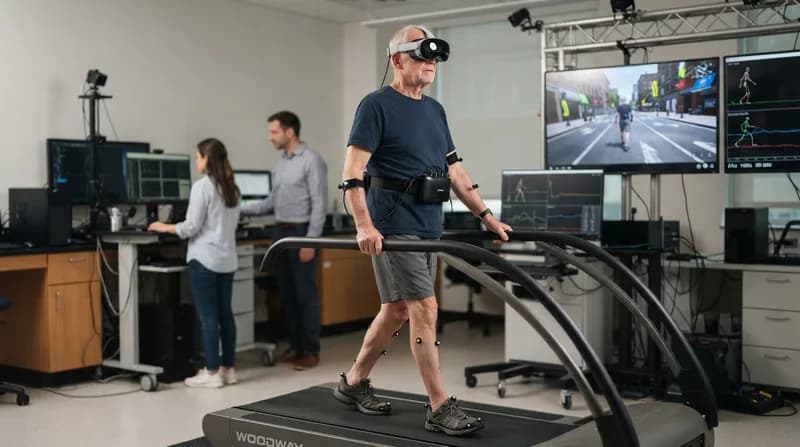
Medical experts are increasingly emphasizing the profound link between physical health and cognitive longevity. According to Dr. Bryan Woodruff, a cognitive neurologist at Mayo Clinic in Arizona, the biological mechanisms that protect against heart disease, diabetes, and cancer are the same ones that reduce the risk of cognitive decline and Alzheimer's disease.
Lifestyle as a Shield
The 'brain-body connection' highlights how systemic health directly influences neurological function. Dr. Woodruff suggests that proactive lifestyle changes—such as maintaining cardiovascular health and managing metabolic levels—can foster significant brain resilience. By treating the body as an integrated system, individuals can potentially slow the onset of dementia symptoms.
The Importance of Early Detection
In addition to lifestyle modifications, the medical community is focusing heavily on the early detection of Alzheimer’s and other forms of dementia. Identifying cognitive changes at an earlier stage allows for more effective intervention strategies and helps patients manage their long-term health outcomes more effectively. As research continues, the integration of physical wellness and neurological monitoring remains the gold standard for healthy aging.