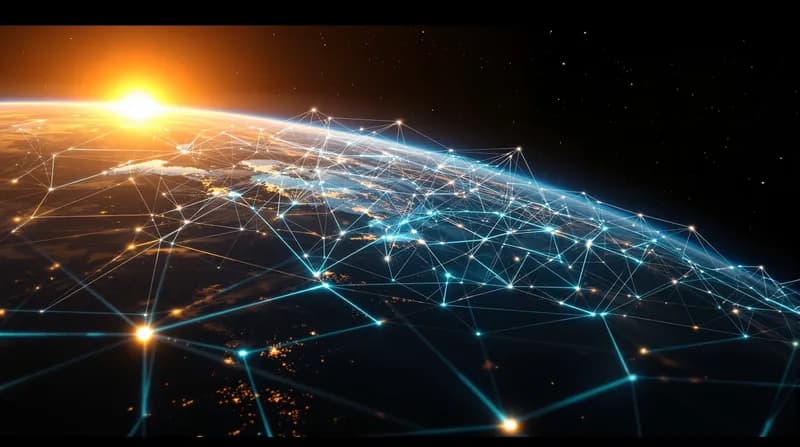
With the sun approaching the peak of its solar cycle, the scientific community is placing a renewed focus on planetary defense against solar storms. These phenomena, characterized by massive bursts of solar wind and magnetic fields, have the potential to disrupt global communications, power grids, and satellite operations.
Predictive Modeling and Early Warning
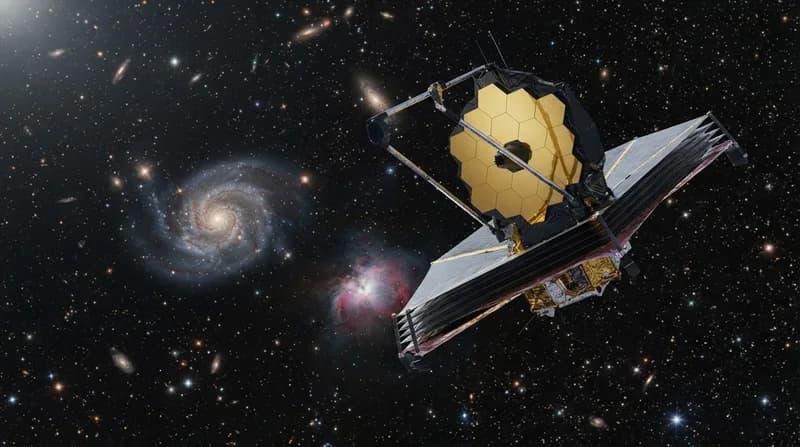
Current efforts to protect Earth involve a combination of advanced satellite monitoring and sophisticated predictive modeling. By observing the sun's corona and tracking Coronal Mass Ejections (CMEs), scientists aim to provide more accurate early warnings. This lead time is crucial for utility companies and satellite operators to implement protective measures, such as placing hardware into 'safe mode' or adjusting grid loads.
Hardening Infrastructure
Beyond forecasting, engineers are looking at ways to harden terrestrial infrastructure. This includes installing specialized grounding systems and surge protectors on long-distance power lines, which are particularly vulnerable to geomagnetically induced currents. As our reliance on delicate electronics grows, the race to understand and mitigate these cosmic threats remains a top priority for physics and space weather research.