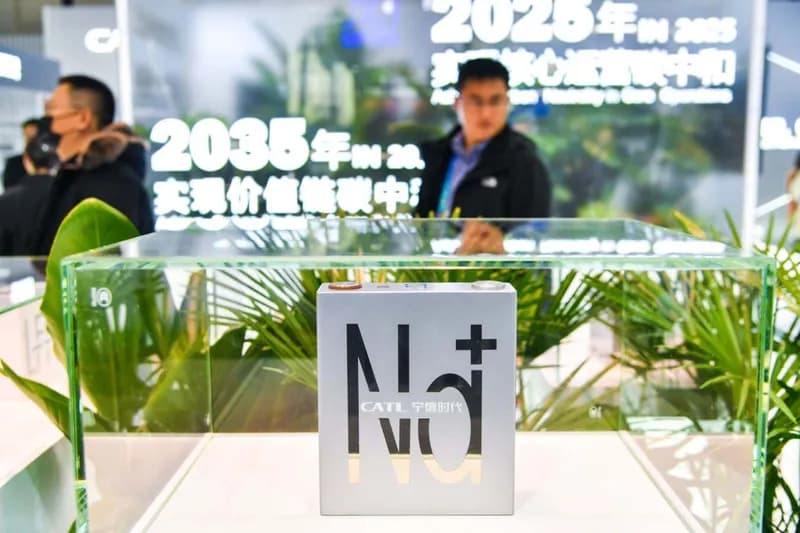
The dominance of lithium-ion technology in the rechargeable battery market is facing a significant challenge from a more common element: sodium. Often referred to as 'salt batteries,' sodium-ion alternatives are poised to reshape the landscape of electric vehicles (EVs) and large-scale grid storage by offering a more sustainable and affordable solution.
The Advantage of Abundance
The primary driver behind the shift toward sodium is availability. While lithium extraction is geographically concentrated and subject to volatile pricing, sodium is abundant worldwide, primarily sourced from soda ash or common rock salt. This accessibility could drastically reduce the manufacturing costs of battery packs, making entry-level electric cars more accessible to the general public.
Performance and Grid Stability
Beyond cost, sodium-ion batteries offer distinct technical advantages. They perform better in cold temperatures compared to their lithium counterparts and exhibit enhanced safety profiles due to a lower risk of thermal runaway. While they currently offer lower energy density—meaning they may not yet be suitable for long-range premium EVs—they are ideal for stationary grid storage, where physical size is less critical than cost and longevity.
As manufacturers scale up production, the integration of sodium-ion technology is expected to provide a crucial buffer against supply chain bottlenecks, ensuring the global transition to renewable energy remains on track.