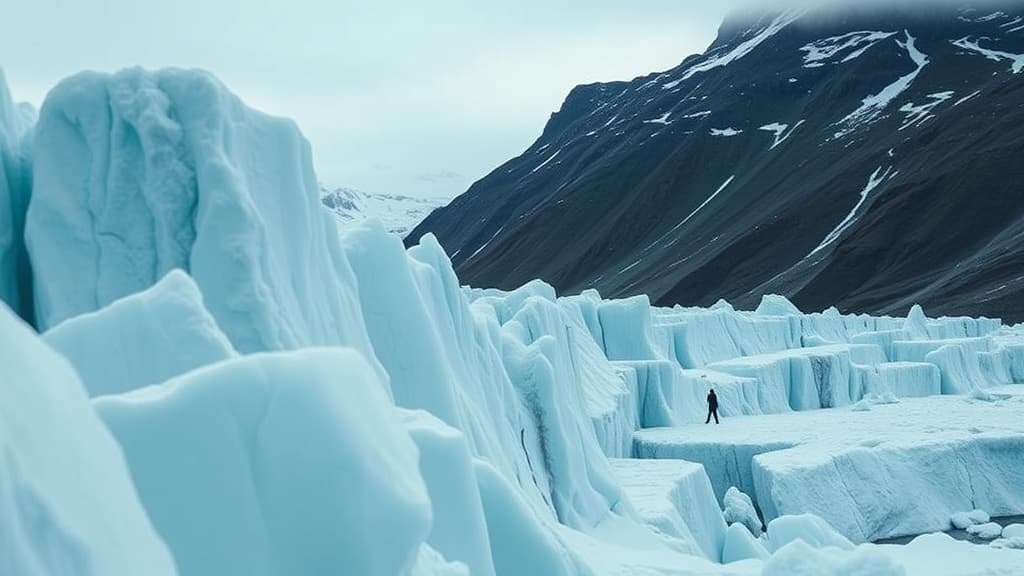
On August 4, 2026, a calving event at Greenland's Petermann Glacier resulted in the detachment of an ice island measuring 76.4 km², making it the largest ice loss from the glacier since 2012. This event has raised concerns among researchers about the future stability of the glacier and its floating tongue.
Researchers have been monitoring the glacier closely, having observed signs of weakening due to the increasing number of fractures in the ice tongue. Satellite data has shown signs of instability since 2019, leading to concerns about further calving events.
Key Points
- The calved iceberg, which is up to 150 meters thick, provides a unique opportunity for scientific study of Arctic ice dynamics and their implications for ocean conditions.
- Future calving events may remove additional sections of ice measuring 94 km² and 84 km², totaling approximately 254 km² or 22% of Petermann Glacier's remaining ice tongue.
- Significant ice formations such as the new island pose risks to marine safety as they can drift and eventually fracture into smaller pieces, which could impact shipping and offshore operations.
- Ongoing research involves collaboration among multiple universities and agencies, focusing on remote monitoring techniques to track the movements of these ice formations.
This calving event highlights the dynamic nature of the Arctic environment and the challenges associated with climate change. As these ice formations break off, they not only influence global sea levels but also affect marine ecosystems and commercial navigation.