E-BUZZ ME Logo
ScienceTechnical Deep Dive

Self-Repairing Bio-Textiles: Scientists Create Clothing From Living Fungi

Published
Self-Repairing Bio-Textiles: Scientists Create Clothing From Living Fungi
1 min read175 words

The Gist

Researchers have developed a revolutionary biodegradable textile using the parasitic fungus Cordyceps militaris that can clean and repair itself.

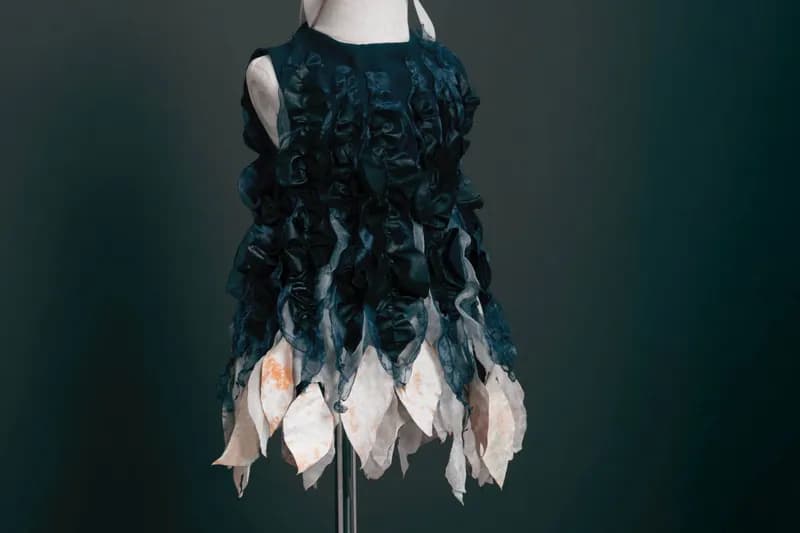
A breakthrough in sustainable fashion has emerged from the laboratory, as researchers successfully engineered a living textile made from the fungus Cordyceps militaris. This innovative material represents a significant shift toward bio-fabricated garments that possess organic properties typically found in living organisms.

The Power of Mycelium

The textile is composed of mycelium, the root-like structure of fungi. Unlike traditional fabrics, this fungal material remains biologically active, allowing it to perform functions such as self-cleaning and self-repair. When the material sustains physical damage, the living fungal cells can regenerate to fill gaps, effectively healing the 'wound' in the fabric.

Sustainability and Versatility

Beyond its regenerative capabilities, the material is entirely biodegradable, offering a solution to the growing problem of textile waste in the fashion industry. Researchers noted that the fabric can be further customized by introducing various microbes, potentially allowing for specialized functions such as moisture regulation or odor neutralization. This development marks a critical step toward a future where our clothes are grown rather than manufactured, reducing the environmental footprint of the global apparel trade.

Related Stories

Semantically matched articles, ranked by topic overlap and freshness.

Sulfur-Based Compound Identified as Potential Breakthrough for Aging Muscle Repair
Science67%

Sulfur-Based Compound Identified as Potential Breakthrough for Aging Muscle Repair

Researchers have discovered a compound named LASSS that protects proteins essential for muscle recovery, offering hope for combating age-related muscle loss.

Sweden Explores Rare Earth Deposits to Challenge Global Supply Dominance
Science66%

Sweden Explores Rare Earth Deposits to Challenge Global Supply Dominance

Researchers are mapping Sweden's mineral wealth to create magnets from natural element combinations, aiming to reduce reliance on Chinese exports.

New Experimental Antiviral Pill Shows Promise in Halting Measles Transmission
Science66%

New Experimental Antiviral Pill Shows Promise in Halting Measles Transmission

A breakthrough antiviral treatment has successfully prevented the spread of a measles-like virus in animal trials, offering a potential new tool to contain future outbreaks.

New Giant Salamander Species Identified from 3.5-Million-Year-Old Japanese Fossils
Science62%

New Giant Salamander Species Identified from 3.5-Million-Year-Old Japanese Fossils

Researchers have identified a new genus and species of giant salamander, Limnospondylus ajimuensis, from fossils originally discovered over two decades ago.

AI Aids Stanford Researchers in Discovering Natural Weight Loss Molecule
Science62%

AI Aids Stanford Researchers in Discovering Natural Weight Loss Molecule

Stanford scientists have identified a natural molecule that mimics the weight-loss effects of Ozempic with fewer side effects by targeting specific brain regions.

Biological Age Linked to Weight Loss Success in New Study
Science61%

Biological Age Linked to Weight Loss Success in New Study

A recent study suggests that individuals with a biological age younger than their chronological age may lose more weight when following calorie-restricted diets.

Longevity-Linked APOE2 Gene Found to Shield Brain from Aging and Alzheimer’s
Science60%

Longevity-Linked APOE2 Gene Found to Shield Brain from Aging and Alzheimer’s

Researchers have discovered that the APOE2 gene variant protects neurons by reducing DNA damage and enhancing stress recovery, offering a potential blueprint for new Alzheimer’s therapies.

China’s Tianwen-1 Orbiter Captures Rare Footage of Interstellar Comet 3I/ATLAS
Science59%

China’s Tianwen-1 Orbiter Captures Rare Footage of Interstellar Comet 3I/ATLAS

The Tianwen-1 Mars orbiter has successfully imaged the interstellar visitor 3I/ATLAS, providing a rare look at material originating from outside our solar system.