
E-BUZZ ME Logo
ScienceTechnical Deep Dive

Rye Pollen Mystery Solved: A Potential Breakthrough for Cancer Research

Published
Rye Pollen Mystery Solved: A Potential Breakthrough for Cancer Research
1 min read148 words

The Gist

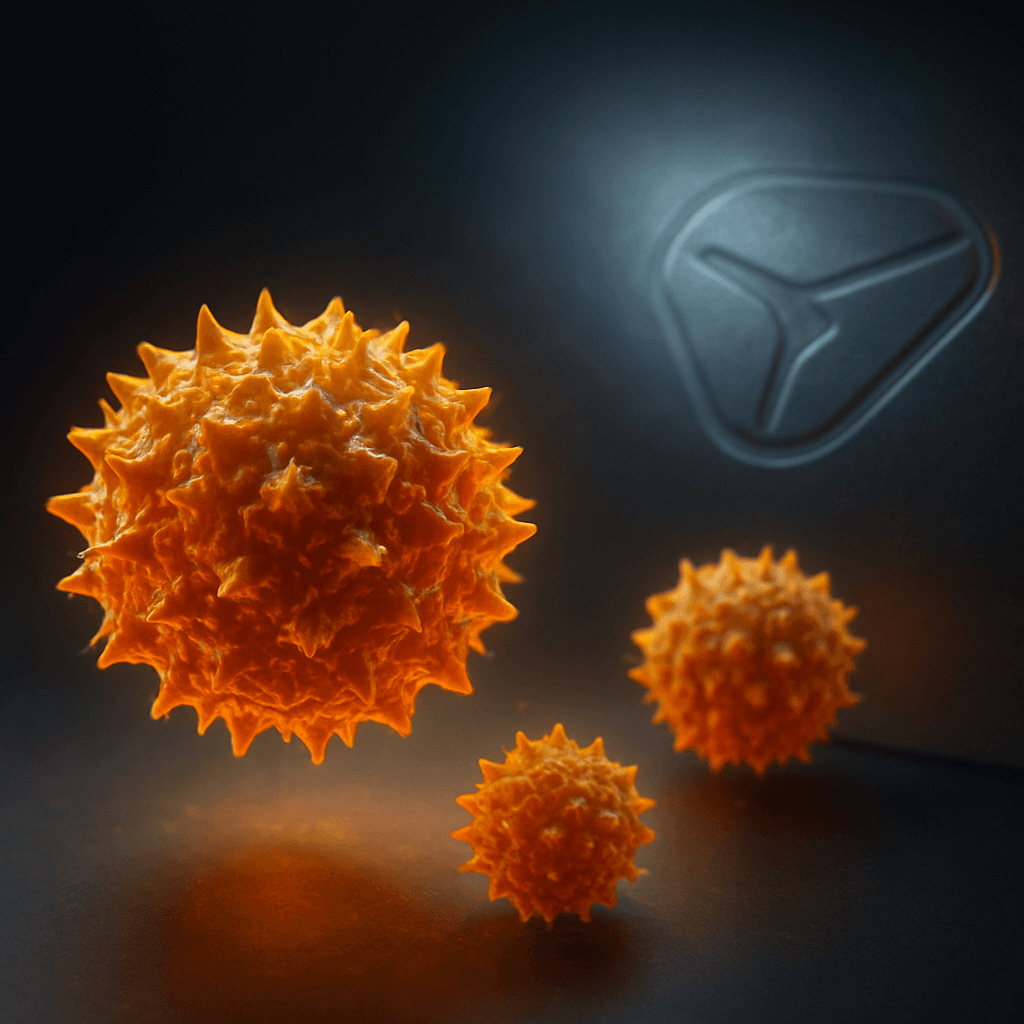
Researchers have finally decoded the 3D structure of two rye pollen molecules that showed anti-tumor properties three decades ago.

After nearly thirty years of scientific uncertainty, researchers have successfully mapped the exact three-dimensional structures of two unique molecules found in rye pollen. These specific compounds gained attention decades ago when early studies indicated they possessed a remarkable ability to assist animals in combating tumors.

Unlocking the Molecular Blueprint

The discovery provides the essential structural blueprint required to understand how these natural compounds interact with the mammalian immune system. By identifying the precise arrangement of these molecules, scientists can now pinpoint which specific components are responsible for their anti-cancer properties.

Implications for Future Therapy

This breakthrough transitions the research from a decades-old mystery to a functional starting point for drug development. With the structural data in hand, the scientific community can begin investigating how to synthesize or adapt these molecules for potential use in human cancer treatments, focusing on enhancing the body's natural immune response to malignant cells.

Related Stories

Semantically matched articles, ranked by topic overlap and freshness.

Sulfur-Based Compound Identified as Potential Breakthrough for Aging Muscle Repair
Science68%

Sulfur-Based Compound Identified as Potential Breakthrough for Aging Muscle Repair

Researchers have discovered a compound named LASSS that protects proteins essential for muscle recovery, offering hope for combating age-related muscle loss.

New Experimental Antiviral Pill Shows Promise in Halting Measles Transmission
Science66%

New Experimental Antiviral Pill Shows Promise in Halting Measles Transmission

A breakthrough antiviral treatment has successfully prevented the spread of a measles-like virus in animal trials, offering a potential new tool to contain future outbreaks.

AI Aids Stanford Researchers in Discovering Natural Weight Loss Molecule
Science65%

AI Aids Stanford Researchers in Discovering Natural Weight Loss Molecule

Stanford scientists have identified a natural molecule that mimics the weight-loss effects of Ozempic with fewer side effects by targeting specific brain regions.

Sweden Explores Rare Earth Deposits to Challenge Global Supply Dominance
Science64%

Sweden Explores Rare Earth Deposits to Challenge Global Supply Dominance

Researchers are mapping Sweden's mineral wealth to create magnets from natural element combinations, aiming to reduce reliance on Chinese exports.

New Giant Salamander Species Identified from 3.5-Million-Year-Old Japanese Fossils
Science63%

New Giant Salamander Species Identified from 3.5-Million-Year-Old Japanese Fossils

Researchers have identified a new genus and species of giant salamander, Limnospondylus ajimuensis, from fossils originally discovered over two decades ago.

Self-Repairing Bio-Textiles: Scientists Create Clothing From Living Fungi
Science63%

Self-Repairing Bio-Textiles: Scientists Create Clothing From Living Fungi

Researchers have developed a revolutionary biodegradable textile using the parasitic fungus Cordyceps militaris that can clean and repair itself.

Longevity-Linked APOE2 Gene Found to Shield Brain from Aging and Alzheimer’s
Science62%

Longevity-Linked APOE2 Gene Found to Shield Brain from Aging and Alzheimer’s

Researchers have discovered that the APOE2 gene variant protects neurons by reducing DNA damage and enhancing stress recovery, offering a potential blueprint for new Alzheimer’s therapies.

China’s Tianwen-1 Orbiter Captures Rare Footage of Interstellar Comet 3I/ATLAS
Science61%

China’s Tianwen-1 Orbiter Captures Rare Footage of Interstellar Comet 3I/ATLAS

The Tianwen-1 Mars orbiter has successfully imaged the interstellar visitor 3I/ATLAS, providing a rare look at material originating from outside our solar system.