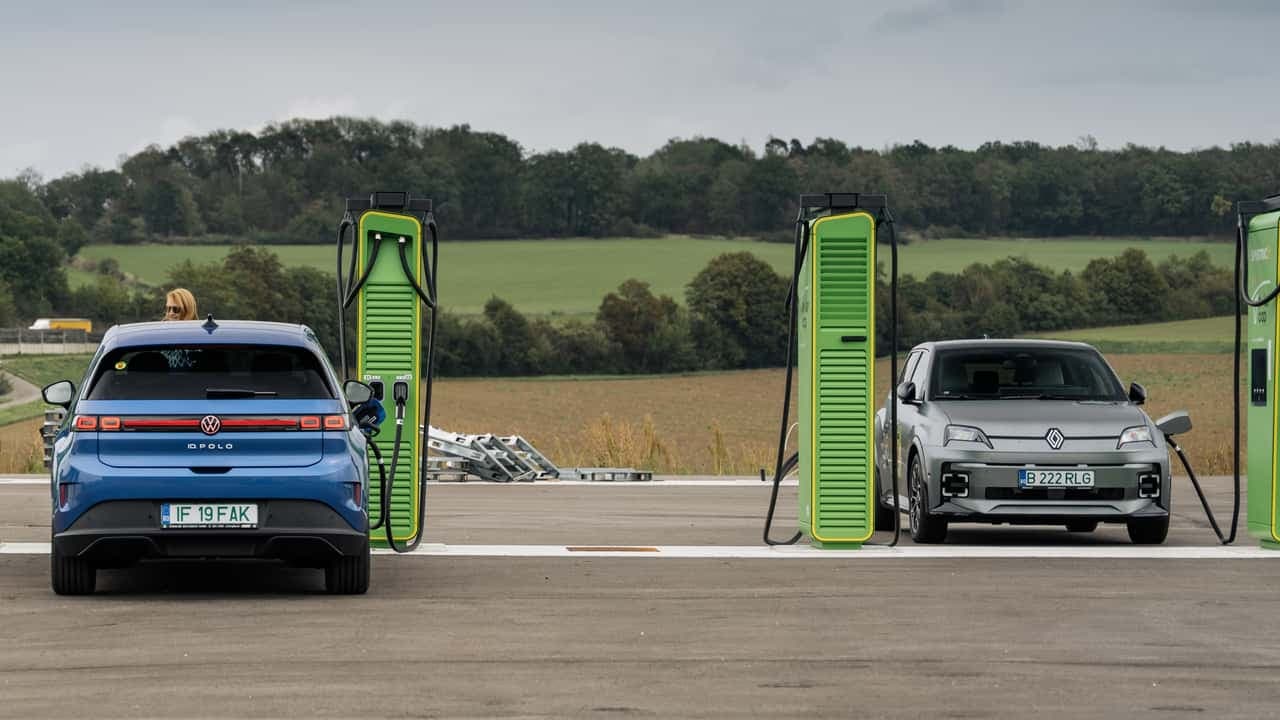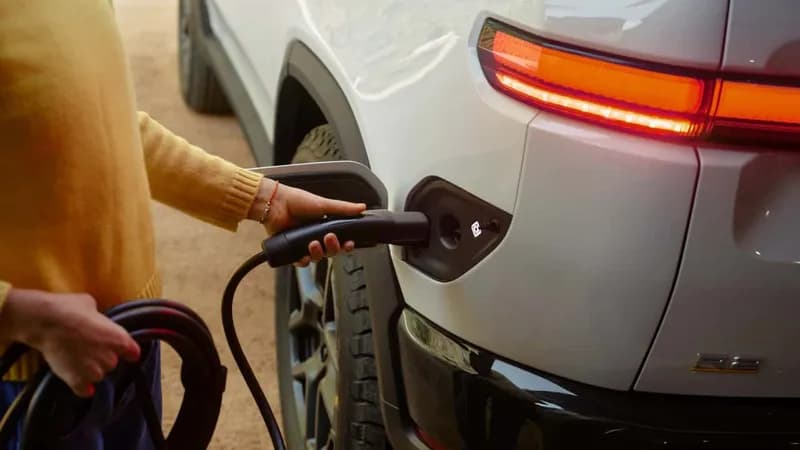
Owners of the upcoming Rivian R2 should exercise caution when selecting charging equipment. Recent technical insights suggest that utilizing older, third-party charging adapters with the new electric SUV could pose a significant safety risk, including the potential for the hardware to melt during operation.
The 400-Volt Constraint
In an effort to maintain a more accessible price point for the R2, Rivian opted to utilize a 400-volt electrical architecture rather than the increasingly popular 800-volt systems found in high-end competitors. While this decision helps keep manufacturing costs down, it necessitates a higher amperage to achieve fast-charging speeds.
Amperage and Heat
The high current required by the R2 can exceed the thermal limits of older or lower-quality adapters. These legacy components were often designed for lower power throughput and may not have the necessary heat dissipation or material integrity to handle the R2's sustained high-amperage draw. Using incompatible equipment could lead to terminal deformation or total adapter failure.
Rivian enthusiasts and future owners are advised to use official Rivian charging equipment or modern, high-rated NACS adapters to ensure safe and efficient energy transfer.