The Scope of the Recall
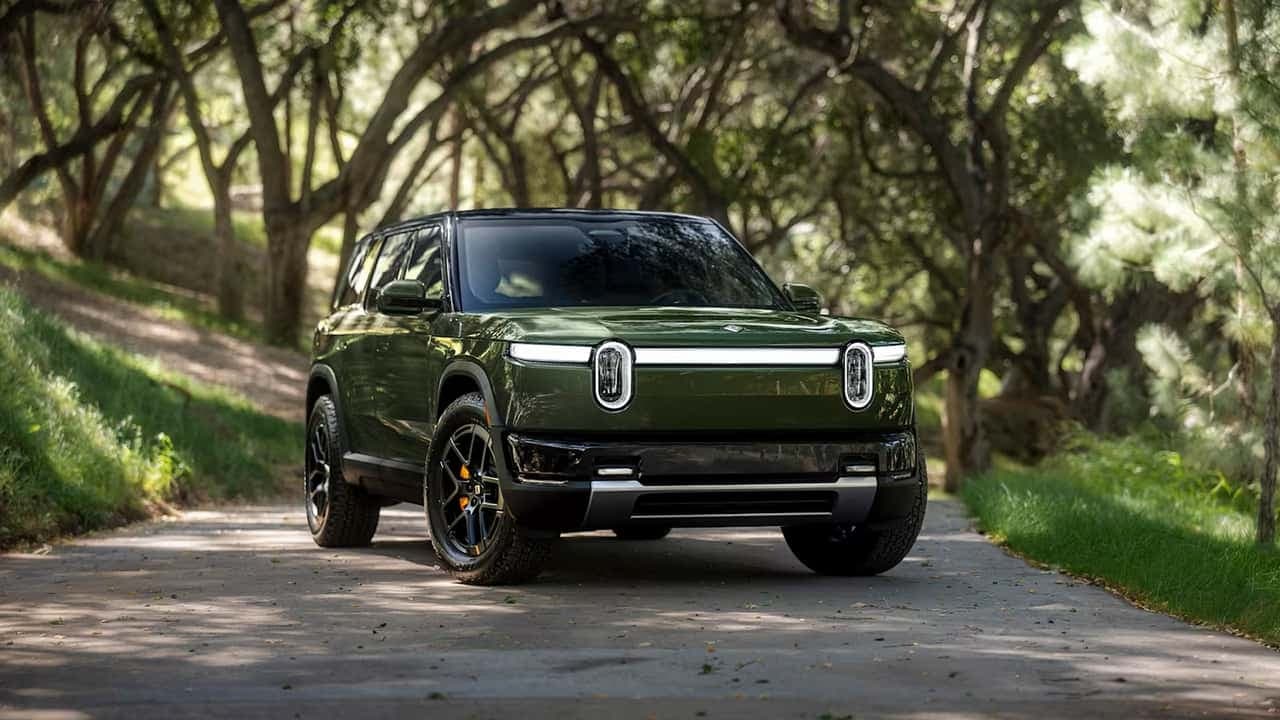
In a significant move for the electric vehicle manufacturer, Rivian has issued a safety recall affecting nearly 99,000 of its vehicles. The recall encompasses the R1T pickup, the R1S SUV, and, notably, the recently launched R2 model. This marks a milestone for the R2, which faces its first official recall since the company began customer deliveries earlier this summer. While the scale of the recall is substantial, the nature of the defect is strictly digital, sparing owners from the inconvenience of hardware repairs or service center visits.
According to documents filed with the National Highway Traffic Safety Administration (NHTSA), the issue stems from a software-driven pop-up message. When a driver shifts the vehicle into reverse while stability control is manually disabled, an alert instructing the driver to re-enable the safety feature appears on the center display. This notification inadvertently obstructs the backup camera feed. Under the Federal Motor Vehicle Safety Standards, the rear-view camera must activate within two seconds of shifting into reverse and remain unobstructed to ensure driver safety during maneuvers.
Breakdown of Affected Models
The recall impacts a total of 98,828 vehicles produced across various manufacturing windows. Because the fix is software-based, the impact on the ownership experience is minimal, and most vehicles will receive the correction via over-the-air (OTA) updates.
- Rivian R1S: A total of 62,259 units produced between March 2022 and August 2026 are included in this action.
- Rivian R1T: The recall covers 34,088 pickup units manufactured from August 2021 through July 2026.
- Rivian R2: Approximately 2,481 units of the new model, built between April and August of this year, are affected.
Why it Matters
For modern automakers, the shift toward software-defined vehicles is a double-edged sword. While it allows for rapid feature deployment and remote fixes, it also places these vehicles under the same regulatory microscope as mechanical failures. The fact that the R2 has been caught in this recall highlights the rigorous standards applied to new EV launches. However, the efficiency of the resolution—with Rivian noting that a vast majority of the fleet has already received the patch—underscores the primary advantage of the OTA model: the ability to address safety compliance issues without forcing thousands of customers to physically return their cars to a dealership.
The Road Ahead
Beyond this specific camera visibility issue, Rivian continues to face scrutiny from its user base regarding overall camera system performance. Recent reports from owners suggest concerns regarding video feed latency and image quality following the OS2 software update. While this current NHTSA recall focuses exclusively on the obstruction caused by the stability control pop-up, the agency remains vigilant. Should internal software performance continue to fall short of consumer expectations or safety protocols, it could trigger further investigations. As Rivian scales production for the highly anticipated R2, maintaining software stability will be just as critical as hitting manufacturing milestones.