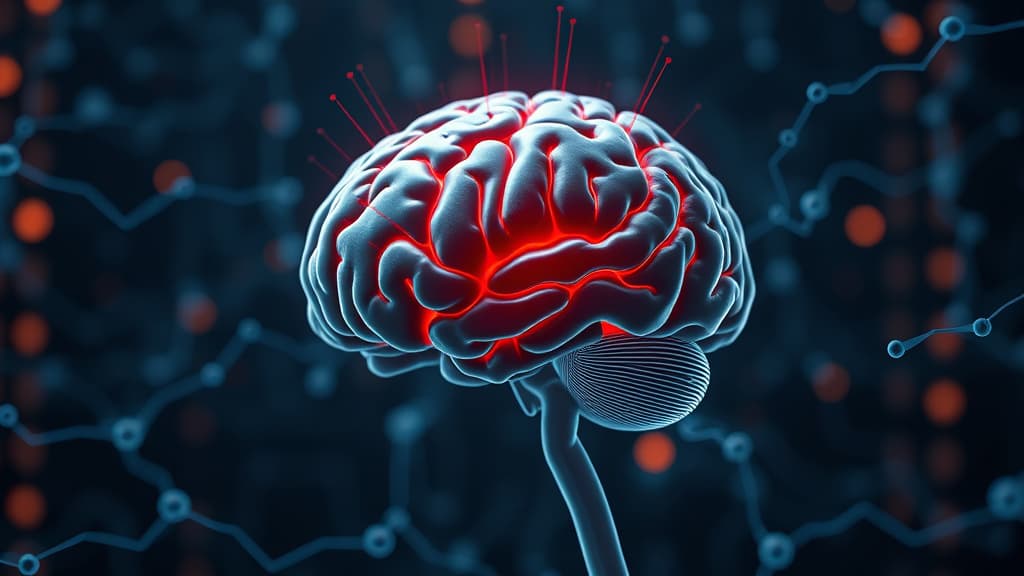
Scientists at Washington University School of Medicine have made a significant breakthrough in understanding chronic pain mechanisms. Their research, published in Current Biology on August 17, 2026, reveals that a specific brain region known as the locus coeruleus functions as a 'brake' that can control chronic nerve pain in mice.
The research has implications for developing targeted pain relief therapies that minimize the adverse effects associated with opioid treatments. By utilizing genetically modified mice, researchers demonstrated that silencing neurons in the locus coeruleus resulted in a notable reduction in pain sensitivity, highlighting its crucial role in pain regulation.
Key Findings
- The locus coeruleus can activate pain signals following nerve injuries, which often leads to chronic neuropathic pain.
- Researchers discovered that mu opioid receptors play a pivotal role in managing pain within the locus coeruleus.
- Targeting mu opioid receptors in this area may provide new therapeutic options while avoiding widespread activation of opioid receptors.
- Chronic pain intensifies due to the overactivity of pain circuits in the locus coeruleus, especially in cases involving nerve damage from conditions like diabetes or viral infections.
- Future studies plan to focus on selectively activating mu opioid receptors in the locus coeruleus for safer pain relief solutions.
This research could redefine the approach to pain management by offering methods that circumvent the risks associated with traditional opioid medications. By harnessing the mechanisms of the locus coeruleus, scientists aim to offer new hope for those suffering from chronic pain.