E-BUZZ ME Logo
Electric VehiclesTechnical Deep Dive

Recharging Your EV's A/C: Why It Is More Complex Than Internal Combustion Vehicles

Published
Recharging Your EV's A/C: Why It Is More Complex Than Internal Combustion Vehicles
1 min read176 words

The Gist

Maintaining an electric vehicle's air conditioning system requires specialized knowledge and materials to avoid costly damage to high-voltage components.

While many drivers of internal combustion engine (ICE) vehicles are accustomed to simple DIY air conditioning recharges, electric vehicle (EV) owners face a much more technical process. Understanding the nuances of these systems is critical to preventing expensive repairs and ensuring vehicle safety.

The Role of Specialized Oil

The primary difference lies in the compressor oil. Traditional vehicles typically use PAG oil, which is conductive. In contrast, EVs utilize high-voltage electric compressors that require specialized, non-conductive (dielectric) oils. Using the wrong type of refrigerant or oil can lead to a 'high-voltage leak,' potentially grounding the system and disabling the vehicle entirely.

Complex Thermal Management

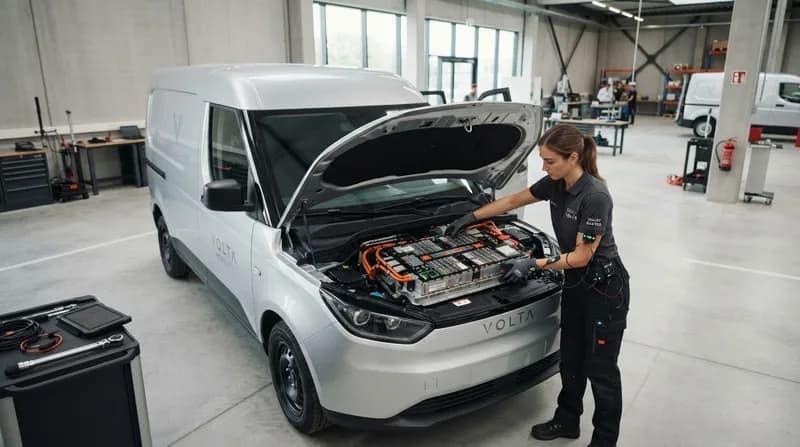
In an EV, the A/C system does more than just cool the cabin; it is often an integral part of the thermal management system for the battery pack and power electronics. Because these systems are interconnected, a failure or improper service in the cooling loop can impact the vehicle's overall performance and battery longevity. Professional diagnostic tools are usually required to ensure the system is vacuumed and charged to precise manufacturer specifications.
Related Stories

Semantically matched articles, ranked by topic overlap and freshness.

GAC Aion S Faces Scrutiny Over High-Mileage Battery Degradation
Electric Vehicles64%

GAC Aion S Faces Scrutiny Over High-Mileage Battery Degradation

GAC Aion and battery supplier CALB are implementing extended warranties and service measures following reports of LFP cell issues in high-mileage electric vehicles.

Tesla Issues Small-Scale Recall for Vehicles Imported from Canada
Electric Vehicles63%

Tesla Issues Small-Scale Recall for Vehicles Imported from Canada

A rare administrative error has led Tesla to recall 15 vehicles that were accidentally imported from the Canadian market without meeting U.S. federal safety standards.

Next-Generation Chevrolet Equinox EV Slated for 2028 Debut
Electric Vehicles63%

Next-Generation Chevrolet Equinox EV Slated for 2028 Debut

General Motors is reportedly preparing a major overhaul for the Chevy Equinox EV, introducing a brand-new architecture by 2028.

Subaru Postpones Production of Its Largest Electric SUV
Electric Vehicles63%

Subaru Postpones Production of Its Largest Electric SUV

The highly anticipated three-row electric SUV, intended to be Subaru's flagship EV in the U.S., has seen its production timeline pushed back.

BC Hydro Announces C$700 Million Expansion to Triple Charging Network by 2035
Electric Vehicles63%

BC Hydro Announces C$700 Million Expansion to Triple Charging Network by 2035

British Columbia's utility giant is set to invest C$700 million to reach 3,500 public charging ports, introducing faster speeds and larger charging hubs.

Electric Trucks: The Shift from Technology to Infrastructure Challenges
Electric Vehicles62%

Electric Trucks: The Shift from Technology to Infrastructure Challenges

Professor Markus Lienkamp argues that while battery technology is ready, the success of electric trucks now depends on grid connections and megawatt charging strategies.

Volvo EX60 Outperforms Initial Range Estimates in Official EPA Testing
Electric Vehicles62%

Volvo EX60 Outperforms Initial Range Estimates in Official EPA Testing

The upcoming Volvo EX60 P10 has surpassed expectations, securing an official EPA range rating that exceeds the automaker's original estimates.

U.S. Senate Advances Legislation Targeting Chinese-Owned Automakers
Electric Vehicles62%

U.S. Senate Advances Legislation Targeting Chinese-Owned Automakers

A new Senate bill aims to restrict automakers with significant Chinese ownership from the U.S. market, potentially impacting brands like Mercedes-Benz.