The Rise of Affordable Electrification
The European Union is currently witnessing a historic transformation in its automotive sector, marked by a massive 45% year-over-year increase in electric vehicle (EV) registrations through August. According to recent data from the advocacy group Transport & Environment, the region has seen its electric vehicle market grow to 1.64 million units. This shift suggests that the primary barrier to mass adoption—high entry prices—is finally being dismantled as manufacturers pivot toward smaller, more accessible segments.
While premium SUVs and performance EVs continue to maintain a strong foothold in the market, the secret to this explosive growth lies in the expanding variety of sub-€30,000 offerings. As of this year, five of the top 20 best-selling plug-in models in Europe fall beneath this price threshold. With aggressive CO2 reduction targets looming, automakers are not just competing on technology; they are competing on accessibility, significantly broadening the consumer base for battery-electric transport.
The Renault Strategy: Leading the Subcompact Charge
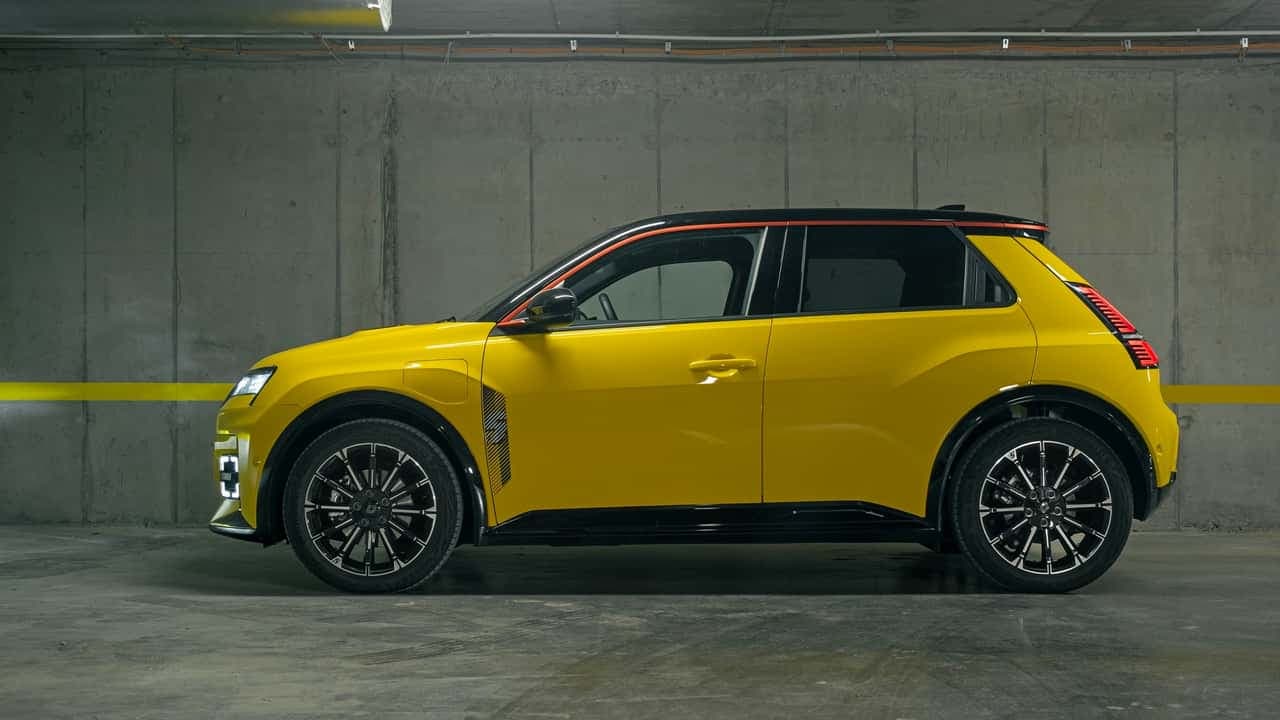
Renault has emerged as a clear leader in this space, effectively leveraging the success of its 5 E-Tech to capture the subcompact market. The model has secured its spot as the third best-selling EV in the EU for 2025, proving that there is substantial consumer appetite for stylish, urban-focused electric hatchbacks. The company’s momentum continued with the launch of the even more affordable Twingo, which has rapidly gained traction among cost-conscious buyers.
This strategic focus on smaller form factors has paid significant dividends for the French manufacturer, which reported a 63.2% increase in EV sales during the first half of 2026. This builds upon a massive 72.2% growth spurt seen in 2025, demonstrating that a consistent, multi-model approach to affordability can deliver long-term market dominance.
New Contenders and Market Dynamics
The European market is seeing a healthy influx of new entries that cater to various lifestyle needs while maintaining competitive pricing. Recent performance data from August highlights the arrival of several key players: the Kia EV2 recorded 4,429 registrations, the Cupra Raval moved 3,608 units, and the Volkswagen ID. Polo secured 1,876 units in its debut month alone. These numbers reflect an increasingly competitive landscape where buyers are no longer forced to choose between brand loyalty and an affordable electric powertrain.
Interestingly, the shift is not solely driven by vehicle cost. Persistent volatility in fuel prices has created a compelling economic argument for consumers to switch to electric propulsion. This "total cost of ownership" realization, combined with a 50% increase in total available electric models compared to last year, has created a perfect storm for adoption. Domestic European manufacturers currently dominate this expanding field, accounting for nearly 60% of available electric models, while Chinese manufacturers continue to expand their footprint, contributing 21% of the new model additions in early 2026.
Why It Matters
- CO2 Regulation Impact: Tightening EU emissions targets are forcing manufacturers to prioritize high-volume, low-emission models.
- Price Floor Erosion: The forecasted seven-fold increase in sub-€25,000 models suggests that "affordable EVs" will soon be the industry norm rather than the exception.
- Geopolitical Supply: With domestic manufacturers holding the majority share of the market, the European automotive industry is successfully defending its turf against international competitors.
Looking ahead, the outlook for 2027 remains optimistic. With at least 16 models projected to be available under the €25,000 threshold by the end of 2026, the industry is entering a phase of sustained, volume-driven growth that promises to cement the electric car as the primary choice for the average European driver.