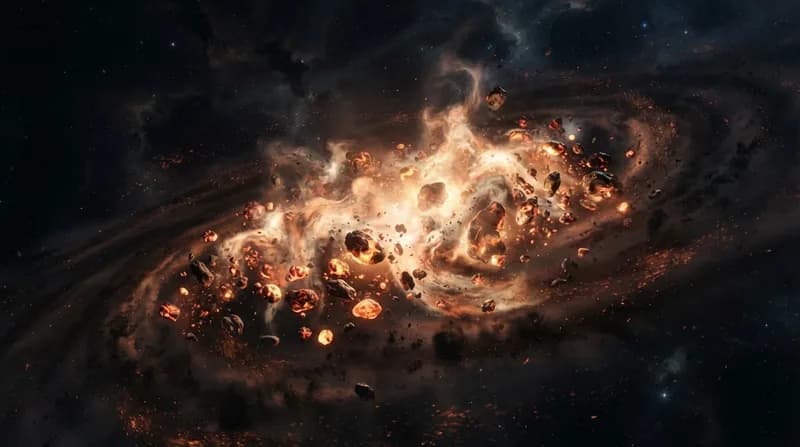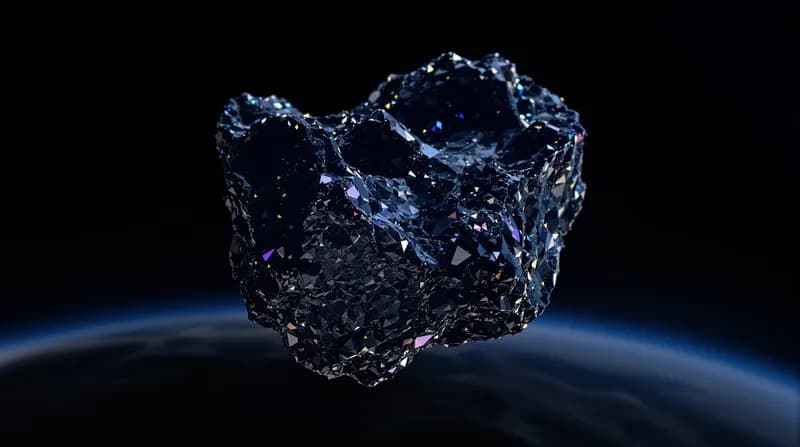
New research has provided a clearer profile of the celestial object that struck Earth 66 million years ago, leading to the extinction of the dinosaurs. Scientists have identified the impactor as a rare type of carbonaceous meteorite known as a CO chondrite, which likely originated from the distant reaches of the solar system beyond Jupiter.
A Distant Origin
By analyzing the chemical signatures left behind in the impact layer, researchers determined that the asteroid was not a common rocky body from the inner belt. Instead, its composition matches that of carbon-rich meteorites that formed in the cold, outer regions of the early solar system. This finding refutes theories suggesting the impactor was a comet or a more common type of asteroid.
Rethinking the Kill Mechanism
The study also sheds light on why the impact was so devastating. While previous theories focused on sulfur released from the impact site, the unusual chemistry of this CO chondrite suggests that the primary driver of the global cooling event was likely a massive shroud of planet-cooling dust and debris. This silicate-rich soot would have blocked sunlight for years, collapsing food chains and fundamentally altering Earth's climate.