ScienceTechnical Deep Dive

Lost Branch of Australian Marsupials Discovered in Queensland

Published
EElectricBuzz Editorial Team
Lost Branch of Australian Marsupials Discovered in Queensland
1 min read141 wordsElectricBuzz Editorial Team

The Gist

“A newly recognized marsupial order identified from fossils suggests a far more complex evolutionary history for Australia's unique mammals than previously thought.”

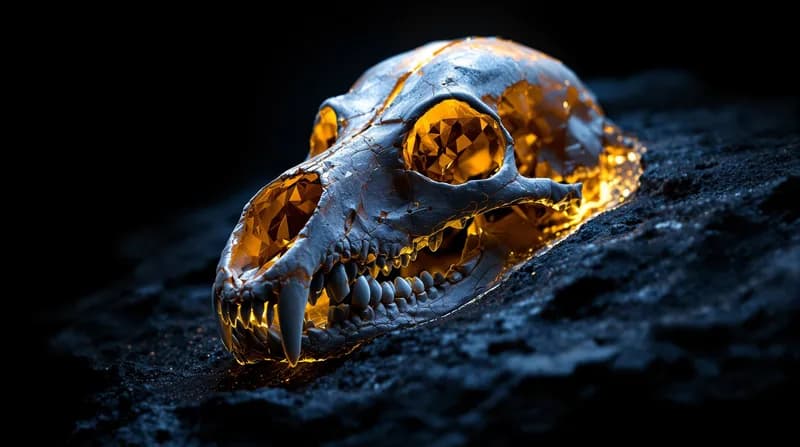
Recent fossil discoveries in Queensland, Australia, have unveiled a previously unknown branch of marsupials that likely thrived on the continent for approximately 35 million years. This newly recognized order provides critical evidence that the evolution of Australia's marsupials did not follow a single, linear path.

Rewriting Evolutionary History

For decades, the prevailing scientific consensus suggested that Australia's marsupial diversity emerged from a straightforward ancestral lineage. However, these findings challenge that narrative, indicating that multiple distinct groups coexisted and evolved over tens of millions of years. This 'lost branch' highlights a significant gap in the fossil record that is only now being filled.

The discovery is expected to shift how paleontologists view the diversification of mammals in isolation. By identifying this long-extinct order, researchers can better understand the environmental pressures and biological shifts that shaped the iconic fauna seen in Australia today.

SPONSORED
The 5 Best Over-Ear ANC Headphones of 2026, Tested & Ranked
Editor's Pick Guide
92/100
Tech & Gadgets•12 min read

The 5 Best Over-Ear ANC Headphones of 2026, Tested & Ranked

We locked five over-ear ANC picks for 2026 — Sony WH-1000XM6, Bose QuietComfort Ultra 2, Soundcore Space One, Sennheiser Momentum 5, and Apple AirPods Max 2 — then stress-tested them on lab metrics, long-term owner truth, and live street prices.

Related Stories

Semantically matched articles, ranked by topic overlap and freshness.

Ancient Roman Shipwreck Reveals Sophisticated 2,200-Year-Old Waterproofing Tech
Science

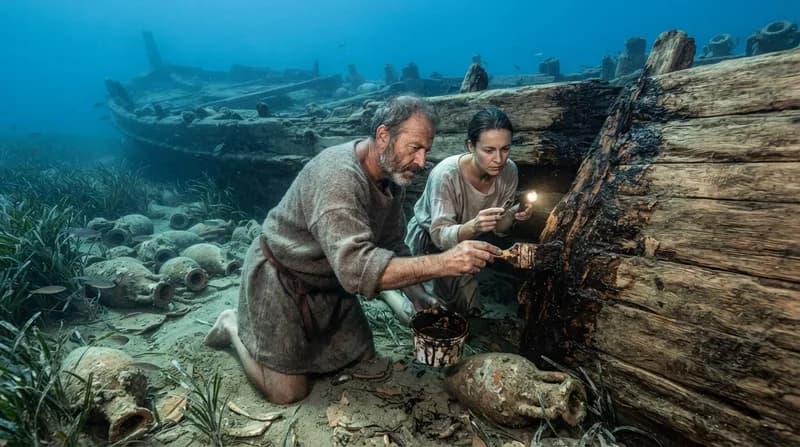
Ancient Roman Shipwreck Reveals Sophisticated 2,200-Year-Old Waterproofing Tech

A study of a sunken Roman vessel has unveiled advanced maritime engineering, revealing how ancient builders utilized specialized organic coatings to survive the rigors of the Mediterranean.

Hidden Magnetism: Why Simple Europium Silicide Is Shaking Up Quantum Physics
Science

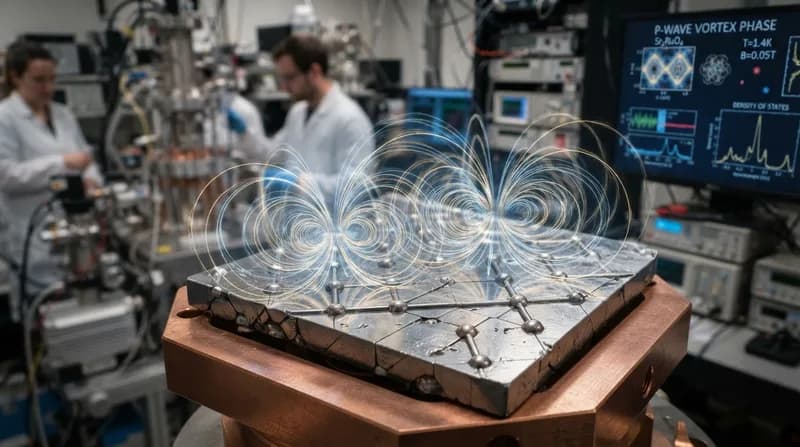
Hidden Magnetism: Why Simple Europium Silicide Is Shaking Up Quantum Physics

Researchers have uncovered a rare form of 'p-wave' magnetism in an unassuming metal, potentially unlocking the future of spintronics and quantum computing.

FDA Approves First New Hormone Therapy for Early-Stage Breast Cancer in Two Decades
Science

FDA Approves First New Hormone Therapy for Early-Stage Breast Cancer in Two Decades

A major breakthrough in oncology as the FDA clears giredestrant, a once-daily pill offering improved efficacy and fewer side effects for ER+ breast cancer patients.

Sky-High First Aid: Drones Transforming Emergency Medical Response
Science

Sky-High First Aid: Drones Transforming Emergency Medical Response

A pioneering initiative in Florida is set to revolutionize trauma care by utilizing autonomous drones to deliver life-saving blood and medical equipment in minutes.

Frozen in Time: Evidence Suggests Humanity Halted an Ice Age
Science

Frozen in Time: Evidence Suggests Humanity Halted an Ice Age

New research from the Canadian Arctic reveals that Earth was on the cusp of a new glacial period 2,000 years ago before rising temperatures derailed the cycle.

Circadian Depression: The Breakthrough Discovery Challenging Standard Mental Health Treatment
Science

Circadian Depression: The Breakthrough Discovery Challenging Standard Mental Health Treatment

Researchers have identified a distinct biological subtype of depression linked to the body's internal clock, offering a new path for personalized treatment.

Cosmic Fossil: ALMA Telescope Captures a Star’s Final Nuclear Heartbeat
Science

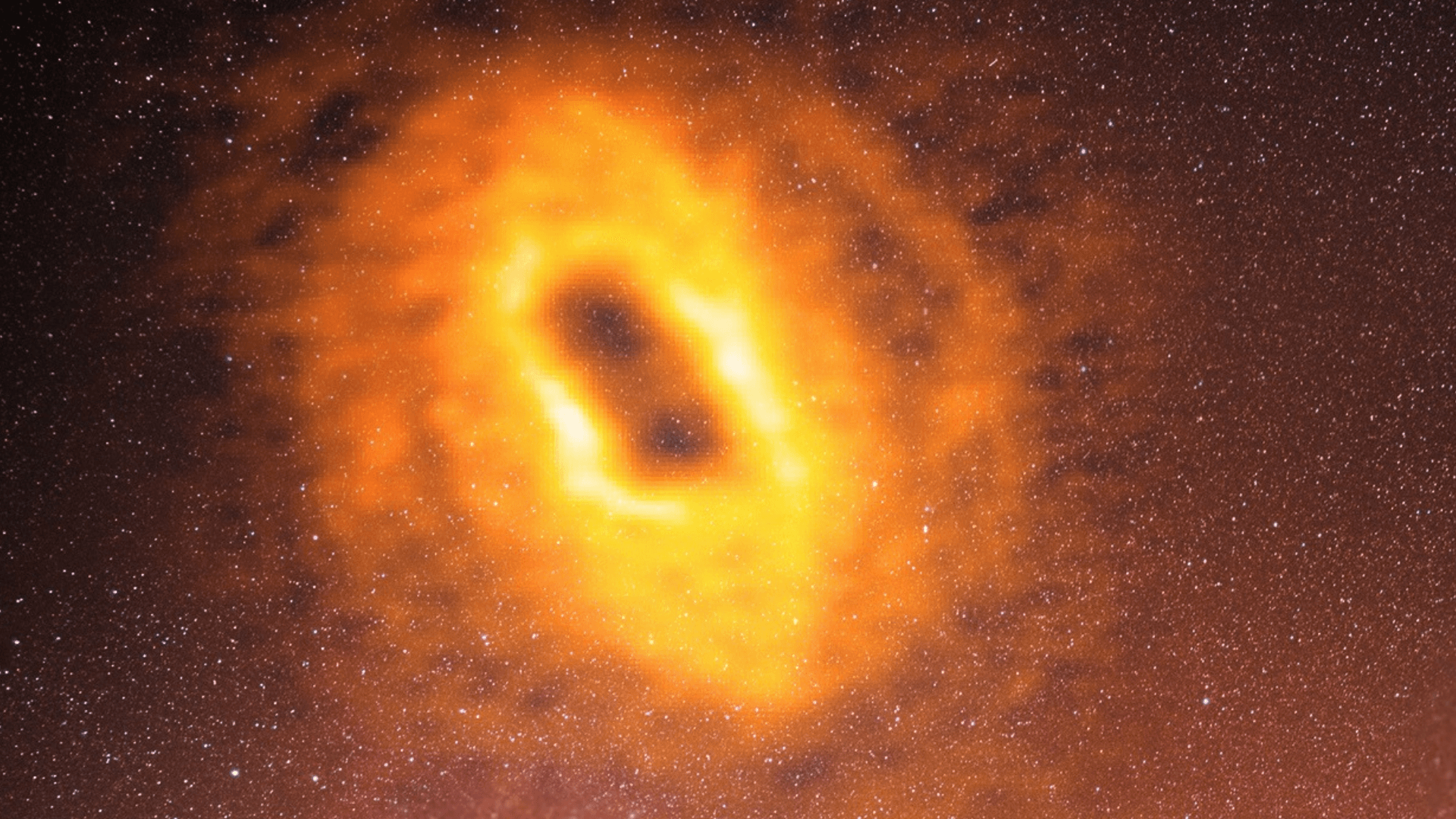
Cosmic Fossil: ALMA Telescope Captures a Star’s Final Nuclear Heartbeat

Astronomers have used the ALMA radio telescope to snap a 'frozen' image of a dying star's last explosive moments, upending conventional theories about stellar evolution.

Quantum Leap: IBM Shatters Computing Barriers in 15 Minutes
Science

Quantum Leap: IBM Shatters Computing Barriers in 15 Minutes

IBM and University of Chicago researchers have achieved a landmark 'quantum advantage' milestone, completing a complex calculation that remains out of reach for classical supercomputers.