Targeting the Biological Switchboard
One of the most persistent hurdles in oncology is the phenomenon of therapeutic resistance. While many patients initially respond well to standard treatments, cancer cells are masters of adaptation. They often activate compensatory pathways that allow them to survive toxic therapies, ultimately leading to relapse. To combat this, researchers at the Baylor College of Medicine have developed an experimental compound known as CS18, designed to strike at the heart of cancer's survival strategies.
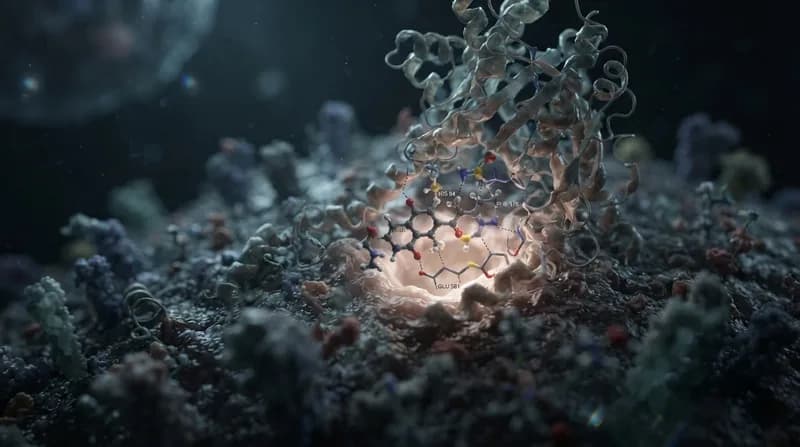
The drug functions by targeting TopBP1, a protein described by the research team as a 'biological switchboard' for tumor cells. By focusing on a specific interaction point on this protein—the BRCT7/8 switch—CS18 disrupts multiple cancer-promoting processes simultaneously. This switch typically interacts with regulators such as MYC, mutant p53, and other proteins like PLK1 and CIP2A, which collectively help cancer cells thrive and divide. By blocking this central node, CS18 aims to prevent the tumor from activating its internal defenses.
Development and Efficacy of CS18
The path to discovering CS18 involved an intensive screening process that utilized both advanced computer modeling and traditional laboratory experimentation. Researchers sifted through thousands of potential chemicals, eventually landing on a compound named 3B6. Through iterative modification and testing, the team arrived at CS18, which demonstrated a high level of efficacy in binding to the critical BRCT7/8 switch, effectively dampening the influence of oncogenic proteins like MYC and mutant p53.
Beyond its primary mechanism, CS18 has shown a promising ability to boost the activity of genes that suppress uncontrolled growth while simultaneously hindering the DNA repair mechanisms that cancer cells rely on to persist. Notably, the drug demonstrated broad potential across several aggressive cancer types, including triple-negative breast cancer, ovarian cancer, lung adenocarcinoma, and acute myeloid leukemia. Perhaps most impressively, in preclinical animal models, the drug displayed a favorable safety profile, showing little toxicity to non-cancerous cells and causing no significant weight loss or adverse physical signs.
Why It Matters
- Overcoming Relapse: CS18 addresses a major clinical gap by restoring sensitivity in tumors that have previously developed resistance to common treatments.
- Combination Potential: Data shows that pairing CS18 with current therapies like PARP inhibitors or osimertinib significantly increases the rate of cancer cell death compared to single-agent treatments.
- Broad Spectrum: The drug's mechanism is not limited to a single tissue type, potentially allowing for wider applications across diverse oncology cases.
A Path Toward Future Clinical Use
The research, recently published in the journal Science Advances, highlights that CS18 is not just a standalone agent but a powerful component for combination therapy. In tests involving lung cancer cells resistant to the drug osimertinib, the addition of CS18 successfully re-sensitized the cells, allowing the treatment to resume its lethal effect on the tumor. This suggests a future where clinicians might use CS18 to proactively prevent resistance from emerging or to rescue treatment protocols that have stopped working.
While this development marks an early but significant milestone, the team at Baylor College of Medicine believes the findings provide a robust foundation for further investigation and eventual clinical trials. By dismantling the multi-layered defenses cancer uses to endure, CS18 represents a strategic shift toward more durable and effective cancer treatment regimens.