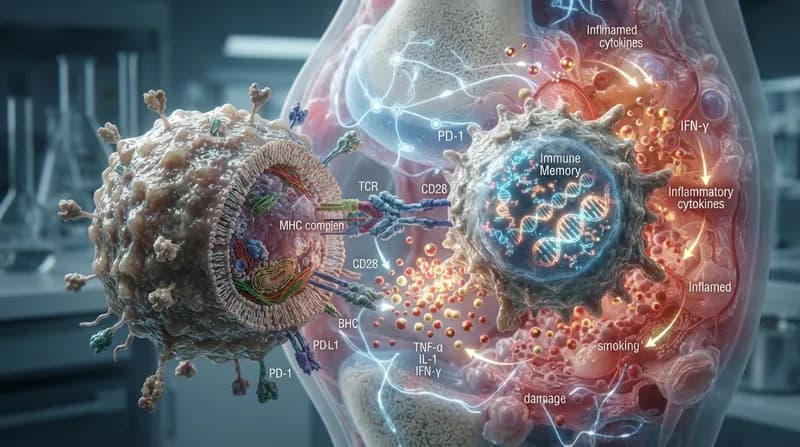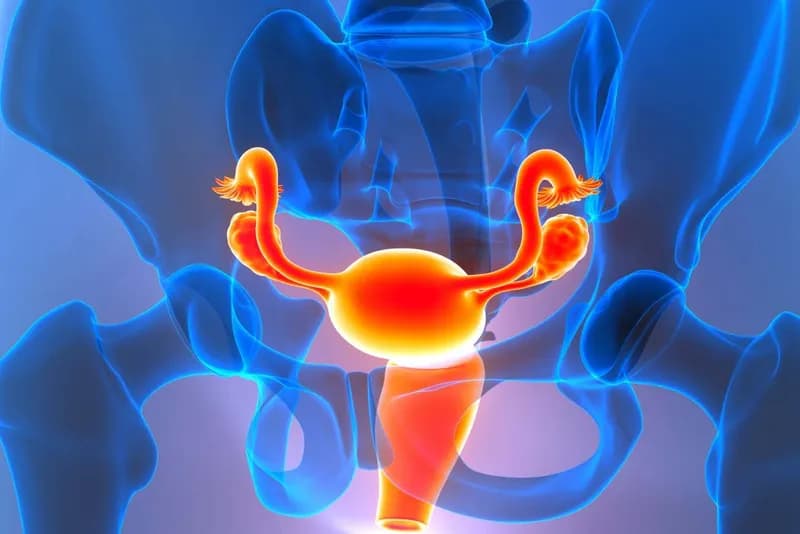
For decades, the prevailing scientific consensus was that ovaries became biologically inert following menopause. However, new evidence derived from mouse models suggests a significant identity shift occurs instead. Rather than ceasing function entirely, these organs may transition into a state that actively promotes inflammation throughout the body.
A Functional Transformation
The study indicates that the cellular environment of the ovary undergoes a profound reprogramming once reproductive cycles end. This shift in 'organ identity' could explain why post-menopausal individuals often see an uptick in inflammatory markers, which are linked to various age-related health conditions. Researchers observed that the tissues begin to exhibit characteristics of immune-regulating organs, though in a manner that may be detrimental to long-term health.
Implications for Longevity
Understanding this transition is crucial for developing targeted therapies. If the post-menopausal ovary is indeed a source of chronic inflammation, medical interventions could be designed to mitigate these effects, potentially reducing the risk of cardiovascular disease and other complications associated with aging. While the current findings are based on animal models, they provide a vital roadmap for future human clinical trials.