Closing the Loop on Battery Production
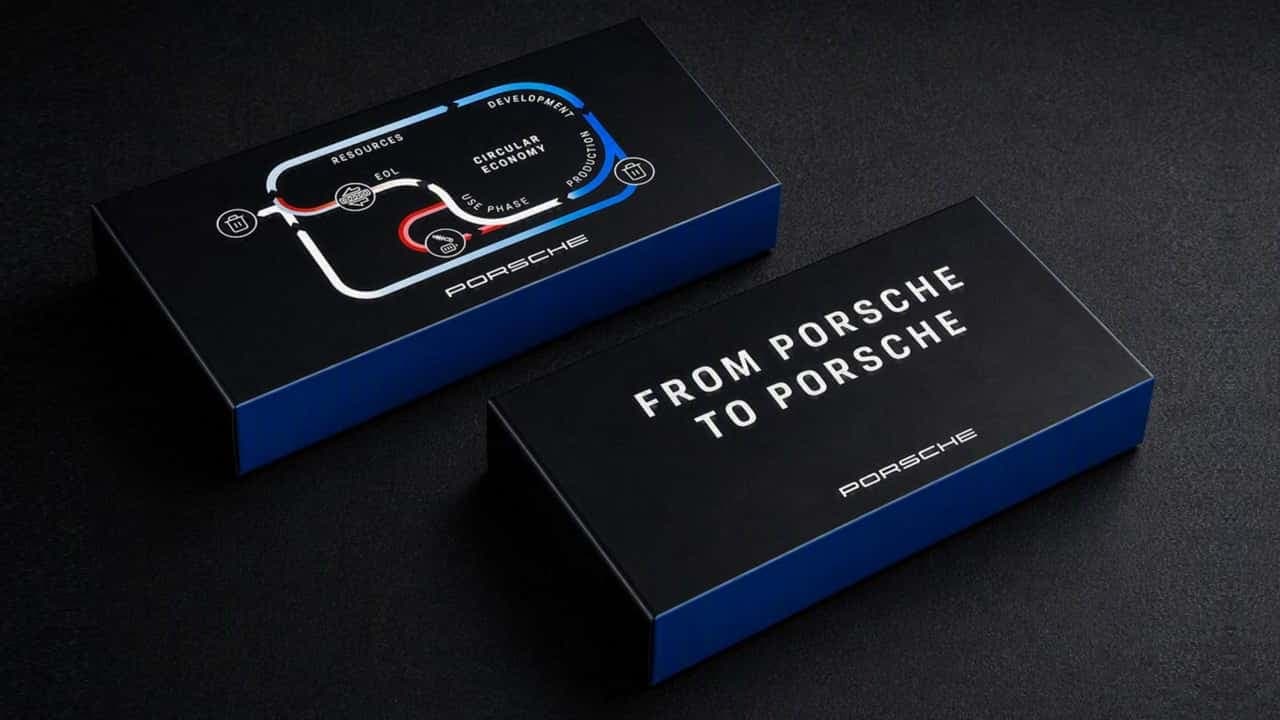
Porsche has reached a landmark achievement in its sustainability roadmap by successfully producing battery cells that utilize 100% recycled cathode active materials. By recovering lithium, nickel, cobalt, and manganese directly from the high-voltage batteries of decommissioned Porsche vehicles, the luxury automaker has demonstrated that it is possible to create a truly circular supply chain for electric vehicle components. This development is the culmination of an extensive, three-phase pilot project conducted in partnership with the Aachen-based recycling startup, Cylib.
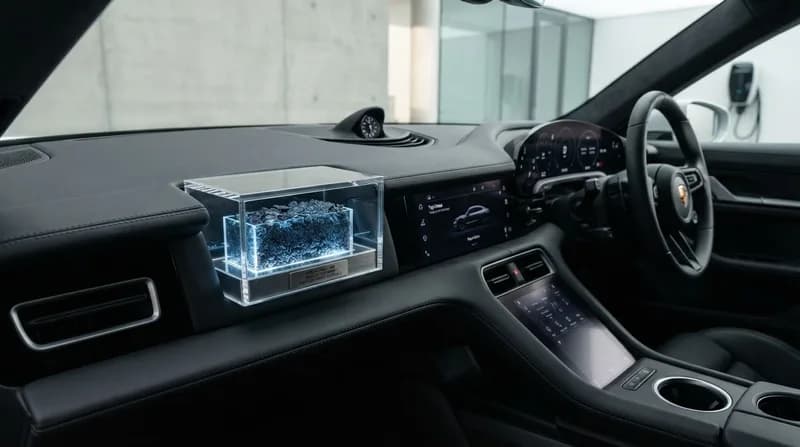
The process begins with the mechanical shredding of end-of-life battery units to create a refined 'black mass.' This substance acts as the primary reservoir for the essential raw materials needed for high-performance battery production. In the final stages of the project, these materials were processed and integrated into new cells, which are now undergoing rigorous testing in Porsche trial vehicles. Early technical assessments suggest these recycled components perform at a level suitable for automotive applications, marking a significant step toward integrating recycled content into future series-production models.
Strategic Impact and Resource Resilience
The implications of this breakthrough extend far beyond environmental stewardship; it is a vital strategy for supply chain security. Much of the global automotive industry remains heavily reliant on raw material imports and processing facilities located outside of Europe, particularly in China. By transforming decommissioned batteries into a domestic source of critical minerals, Porsche is positioning itself to mitigate geopolitical risks and adhere to tightening European Union regulations, such as the Critical Raw Materials Act and the EU Battery Regulation, which mandate increased recycling and the use of recovered materials.
Why It Matters
- Supply Chain Independence: Reduces reliance on external, volatile raw material markets and long-distance supply chains.
- Regulatory Compliance: Positions Porsche ahead of stringent EU mandates regarding battery life cycles and recycling quotas.
- Technical Viability: Proves that recycled battery materials are capable of meeting the high-performance demands of the Porsche brand.
- Scalability: Establishes a framework for a 'material account' system that could allow for sustainable battery cell production by 2028.
Scaling for the Future
Porsche’s collaboration with Cylib has already begun to influence its broader operations. Since May 2026, the company has implemented an innovative, water-based recycling process across its German service centers to reclaim valuable materials from spent batteries. These materials are stored in a centralized material account, ensuring they remain available for future production cycles. While the current focus remains on perfecting the performance of these recycled cells in testing, the long-term objective is to normalize the use of these materials across the entire European Porsche fleet. As the pilot project transitions toward full-scale industrial integration, the goal of achieving a closed-loop economy for electric vehicle batteries is moving rapidly from conceptual theory to engineering reality.