A Paradoxical Performance
Polestar has officially recorded its most successful third quarter to date, yet the underlying numbers reveal a deeply uneven landscape. While global sales rose by a modest 1% year-over-year, that figure hides a sharp 8% decline in every market excluding the United States. In reality, the American market acted as the primary engine for the brand’s growth, with U.S. deliveries more than doubling—a surprising surge fueled by the urgent clearance of inventory ahead of a federal regulatory blockade.
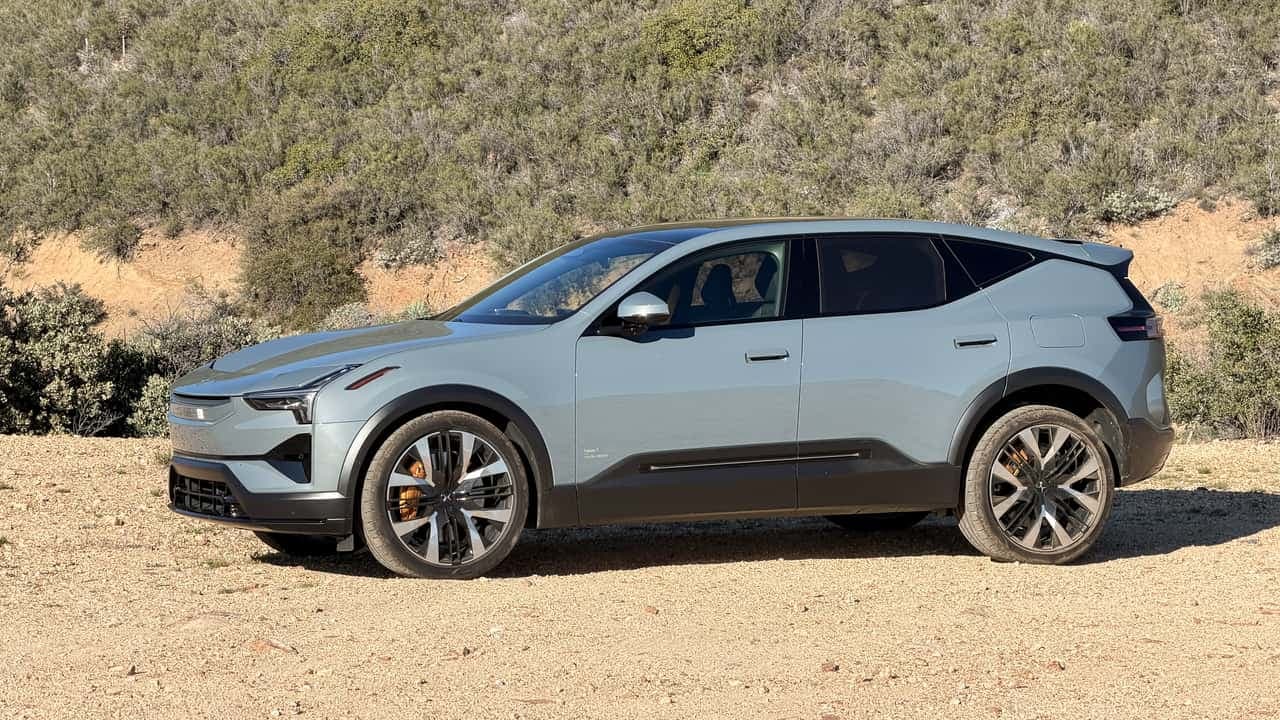
In June, the U.S. Department of Commerce implemented new regulations prohibiting specific Chinese-developed connectivity and driver-assistance technologies in vehicles sold within the country. Polestar, caught in the crosshairs of this policy, was unable to secure an exemption, effectively barring the sale of its new models in the near future. The response from both the manufacturer and its dealership network was an aggressive discounting strategy—with some Polestar 4 models seeing price reductions of up to $25,000—which successfully moved units but raised questions regarding the long-term sustainability of the company's business model.
Why it Matters
The situation serves as a stark reminder of how geopolitical tensions and regulatory shifts can disrupt global automotive operations. For Polestar, the challenge is two-fold: managing a graceful exit from one of its most profitable markets while simultaneously pivoting its product lineup to maintain global relevance. Operating at a roughly $1 billion loss in 2025, the company faces mounting pressure to reach profitability through scale, even as it loses access to its largest consumer base.
- Q3 Sales Volume: 14,371 total vehicles, an increase of 149 units over last year.
- U.S. Performance: American sales surged by roughly 124%, reaching 2,160 units compared to 966 in the same period last year.
- Global Trends: Outside the U.S., volume dipped to 12,211 vehicles as the company navigated a cooling EV market and regulatory uncertainty.
The Path Toward 2028
Despite the setback in the U.S., Polestar is pushing forward with an ambitious expansion of its product portfolio. The company has officially begun customer deliveries of its Polestar 5 grand tourer, aiming to capture the luxury performance segment. Additionally, the new, more practical Polestar 4—which features a distinct wagon-like profile and improved cargo capacity—is expected to begin broader shipments in the fourth quarter, serving as a critical pillar for the brand's international strategy.
Looking further ahead, the company has mapped out a timeline intended to diversify its appeal. A redesigned Polestar 2 is slated for a 2027 arrival, followed by the highly anticipated Polestar 7 in 2028, which aims to enter the increasingly competitive compact EV space. These new models will serve as the backbone of the company's effort to move toward a more sustainable, high-volume future—though they will have to succeed without the contribution of the American market.