A New Frontier in Spinal Health
Chronic back pain affects millions of people globally, yet for decades, medical intervention for intervertebral disc degeneration (IVDD) has been largely limited to surgery. A new study from the University of Edinburgh, published in Communications Biology, offers a transformative perspective on this condition. Researchers have uncovered a surprising genetic and metabolic link to spinal deterioration, identifying an existing class of osteoporosis medications that may hold the key to stopping the disease in its tracks.
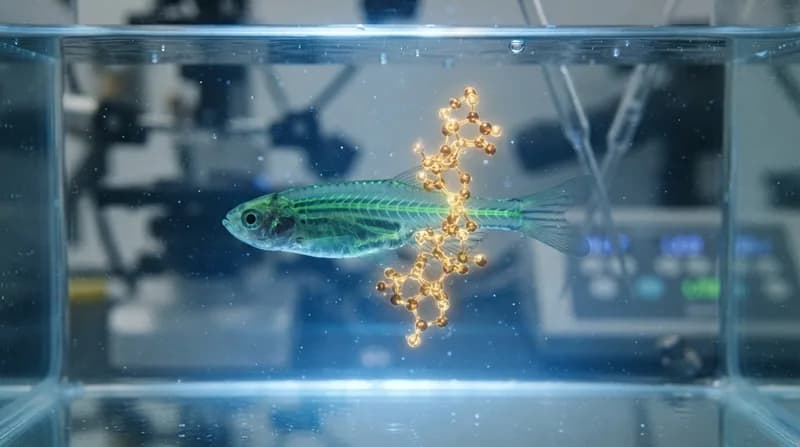
By utilizing zebrafish models, scientists were able to observe the mechanics of disc degeneration in real-time. They found that specific genetic mutations—particularly those linked to collagen IX, which maintains structural integrity—trigger a chain reaction. This leads to abnormal mineral buildup in the tissues between vertebrae, effectively causing the spine to harden and fuse. This discovery challenges the long-held belief that disc degeneration is simply a passive, inevitable process of aging, suggesting instead that it is a biologically active disease that could be interrupted.
The Role of Bisphosphonates
The core of the discovery centers on bisphosphonates, a group of drugs currently prescribed to treat osteoporosis by regulating bone density and slowing the breakdown of bone tissue. In experiments with zebrafish exhibiting spinal mineralization, these drugs successfully inhibited the hardening of the spinal tissues. By blocking the abnormal accumulation of minerals, the medication preserved the spine's natural flexibility, which is essential for healthy movement and shock absorption.
The study also highlights broader metabolic drivers of spinal disease. Beyond mineral buildup, the researchers identified significant disturbances in fat metabolism, mTOR cellular signaling, and vitamin A pathways. These findings suggest that the body’s internal management of nutrients and cellular growth plays a critical role in whether spinal tissues remain supple or begin to harden. Consequently, the research points to multiple pharmacological targets, including metabolic regulators, that could one day form the basis of a non-surgical treatment regimen for patients suffering from chronic spinal conditions.
Why It Matters
- Targeted Therapy: Moving beyond symptomatic relief like painkillers, this research aims to stop the underlying biological damage before it leads to permanent loss of mobility.
- Drug Repurposing: Because bisphosphonates are already safety-tested and approved for human use, they could potentially reach clinical trials for spinal conditions much faster than entirely new compounds.
- Zebrafish Model: The study validates the use of zebrafish as a high-speed genetic laboratory for human musculoskeletal disease, allowing researchers to screen complex metabolic interactions in a fraction of the time required by traditional methods.
Future Implications
While the results in zebrafish are compelling, the research team emphasizes that human clinical trials are the necessary next step. The study successfully bridges the gap between genetic predisposition and physical spinal outcomes, identifying that structural failure of the disc's protective framework acts as the catalyst for later mineralization. By establishing these biological pathways, the researchers have created a blueprint for future drug development.
If human studies confirm that these metabolic pathways function similarly to those observed in the fish, the medical community could move toward a preventative approach for back pain. Rather than waiting for severe disc damage to necessitate invasive surgical intervention, clinicians might one day be able to prescribe targeted medications to patients at genetic risk, preserving the health of the spine and significantly reducing the long-term socioeconomic burden of chronic mobility issues.