E-BUZZ ME Logo
ScienceTechnical Deep Dive

Oral GLP-1 Medications Found to Suppress Brain's Food Craving Circuitry

Published
Oral GLP-1 Medications Found to Suppress Brain's Food Craving Circuitry
1 min read164 words

The Gist

New research suggests that oral versions of GLP-1 drugs, similar to Ozempic, can reduce pleasure-driven eating by quieting specific reward circuits in the brain.

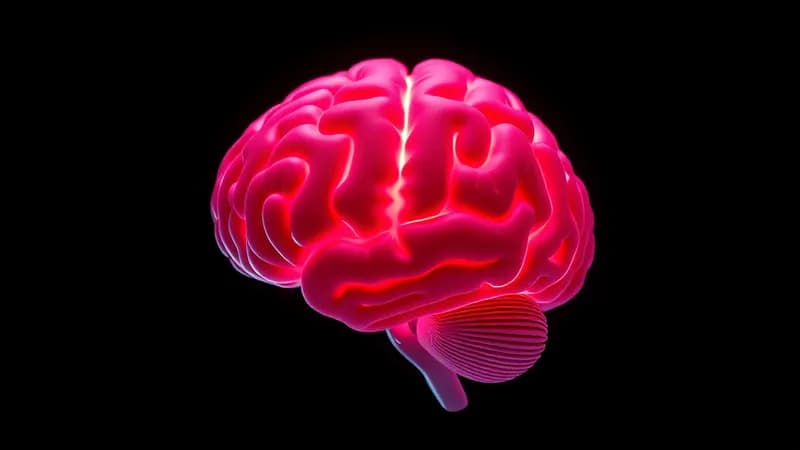
Recent scientific findings suggest that newer oral medications related to GLP-1 agonists, such as semaglutide, may do more than just regulate blood sugar and digestion. A study involving mice has revealed that these drugs can effectively quiet deep brain reward circuits responsible for pleasure-driven eating, commonly known as hedonic hunger.

Targeting the Reward System

While traditional GLP-1 therapies like Ozempic are well-known for their metabolic effects, this research highlights their impact on the neurological pathways that drive food cravings. By dampening the activity in these specific circuits, the oral drugs significantly reduced the urge to eat for pleasure rather than necessity.

Implications for Addiction Treatment

The discovery opens significant new avenues for medical research. Beyond weight management, the ability to modulate the brain's reward system suggests that these compounds could potentially be adapted to treat substance use disorders. Understanding how these oral drugs interact with neural cravings could lead to breakthroughs in treating various forms of addiction where reward-seeking behavior is a primary factor.


Related Stories

Semantically matched articles, ranked by topic overlap and freshness.

Mapping the Mind: Two Neural Pathways Explain Habit Formation
Science74%

Mapping the Mind: Two Neural Pathways Explain Habit Formation

New research identifies the specific brain mechanisms that transition deliberate actions into automatic routines, explaining why some habits feel harder to break than others.

The Impact of Ultra-Processed Foods on Long-Term Brain Health
Science68%

The Impact of Ultra-Processed Foods on Long-Term Brain Health

New research highlights a concerning link between ultra-processed diets and increased risks of depression, anxiety, and dementia.

Working Memory Rapidly Re-Prioritizes After Distractions, New Study Reveals
Science66%

Working Memory Rapidly Re-Prioritizes After Distractions, New Study Reveals

A new study highlights the brain's remarkable ability to swiftly update working memory priorities to maintain focus on immediate tasks despite frequent interruptions.

Sparkling Water vs. Soda: New Study Evaluates Impact on Dental Health
Science62%

Sparkling Water vs. Soda: New Study Evaluates Impact on Dental Health

A recent study suggests that unsweetened sparkling water is a significantly safer choice for dental health compared to sugar-sweetened carbonated beverages.

Innovative Treadmill Therapy Shows Promise for PTSD Recovery
Science62%

Innovative Treadmill Therapy Shows Promise for PTSD Recovery

Researchers at the University of Alberta have found that combining physical motion with memory confrontation significantly improves PTSD treatment outcomes.

A $9 Physical Key Designed to Lock Your Most Addictive Apps
Artificial Intelligence60%

A $9 Physical Key Designed to Lock Your Most Addictive Apps

A new NFC-based physical key aims to curb smartphone addiction by requiring a manual scan to unlock distracting applications.

Genetic Factors Determine Cancer Outcomes Following DNA Damage
Science60%

Genetic Factors Determine Cancer Outcomes Following DNA Damage

New research suggests that inherited genetics play a critical role in whether DNA damage leads to cancer development.

Innovative Eye Implant and High-Tech Glasses Approved to Combat Vision Loss
Science60%

Innovative Eye Implant and High-Tech Glasses Approved to Combat Vision Loss

A breakthrough eye implant and smart glasses system has received European regulatory approval, offering hope to those suffering from severe age-related vision loss.