Revolutionizing Power for Light Electric Mobility
San Sebastián-based power electronics specialist NX Technologies is gearing up for a significant leap in electric vehicle component design. The company has officially secured a €1.9 million grant from Spain’s PERTE (Proyectos Estratégicos para la Recuperación y Transformación Económica) program. This capital injection is earmarked for a multi-year research and development project focused specifically on creating next-generation traction inverters for the light electric vehicle market.
As the electrification of transportation moves beyond standard passenger cars, the demand for specialized, compact, and highly efficient electronics has surged. NX Technologies is positioned to address this gap, with the project slated to run through 2029. By leveraging this funding, the company aims to solidify its footprint in a segment that includes everything from motorcycles and quad bikes to emerging applications in maritime and aviation sectors.
Why It Matters
- European Sovereignty: NX Technologies manufactures its entire product portfolio within Europe, providing a critical alternative to non-European supply chains in the burgeoning light-mobility space.
- Market Gap: Currently, there are few specialized providers capable of delivering high-performance, compact inverters that meet future regulatory and technical requirements for smaller EVs.
- Growth Trajectory: Following a 50% increase in headcount last year and over €10 million in total funding raised, the company is scaling rapidly to meet international demand across India, the US, and key European markets.
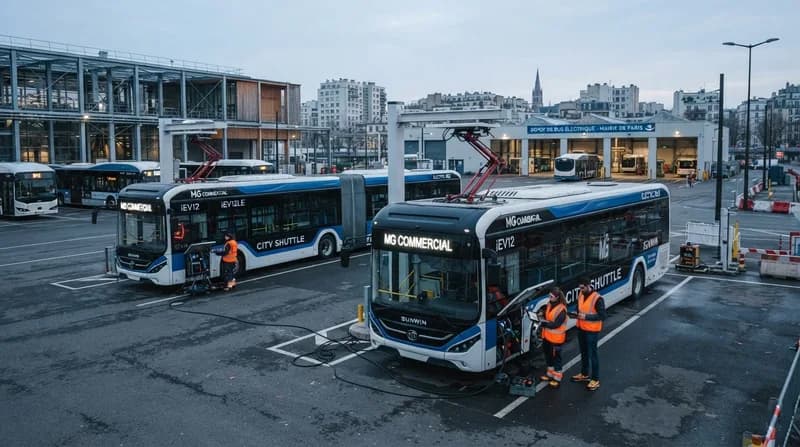
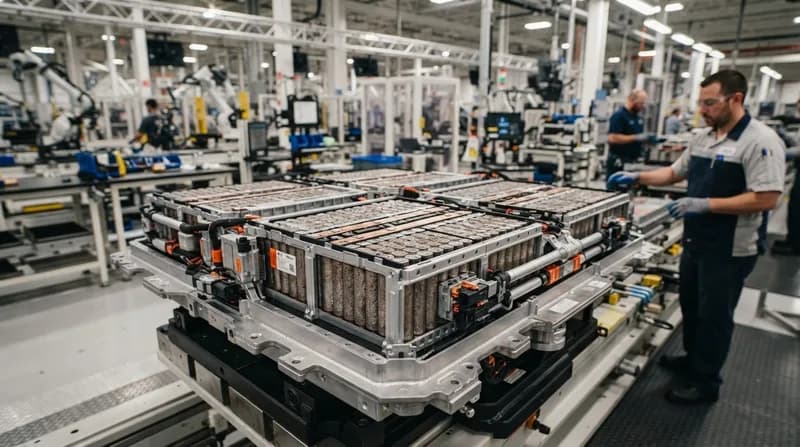
The company’s portfolio is not limited to inverters; they have a robust history of engineering sophisticated battery management systems (BMS) for heavy-duty applications such as tractors, buses, and industrial trucks. CEO Mikel Peral noted that the new range of inverters is designed to make cutting-edge power electronics accessible for a broader array of vehicles, ensuring that European manufacturers have the local technical resources necessary to compete globally. As the project progresses, it promises to streamline the transition to electric powertrains for smaller, more agile vehicles, effectively closing the performance gap between light mobility and mass-market EVs.