Electric VehiclesTechnical Deep Dive

Nissan Pivots Strategy: Hybrids and EREVs to Lead 2030 Roadmap

Published
EElectricBuzz Editorial Team
Nissan Pivots Strategy: Hybrids and EREVs to Lead 2030 Roadmap
3 min read541 wordsElectricBuzz Editorial Team

The Gist

“Nissan is aggressively expanding its hybrid and extended-range electric vehicle presence, aiming to make electrified options its primary powertrain in North and Latin America by 2030.”

The Strategic Shift Toward Hybridization

In a significant move to reclaim its competitive edge in the North and Latin American automotive markets, Nissan has outlined an ambitious roadmap that places hybrid and extended-range electric vehicle (EREV) technology at the forefront of its portfolio. As consumer demand for electrified vehicles continues to surge—driven largely by the success of competitors like Toyota, Honda, and Hyundai—Nissan is looking to move away from its historically fragmented hybrid strategy. By 2030, the Japanese automaker intends for its E-Power series hybrids and EREV models to serve as the primary powertrain options for its lineup in these regions.

The plan highlights a move toward aggressive localization, which is critical for streamlining supply chains and meeting regional demand. Nissan is particularly focused on bringing production closer to home, with plans to initiate the manufacturing of its latest electrified models at key facilities, including the Smyrna, Tennessee plant. This shift represents a major departure from earlier years, where Nissan’s hybrid offerings were limited to a few transient models, allowing competitors to capture the market segment effectively.

The Rogue E-Power Expansion

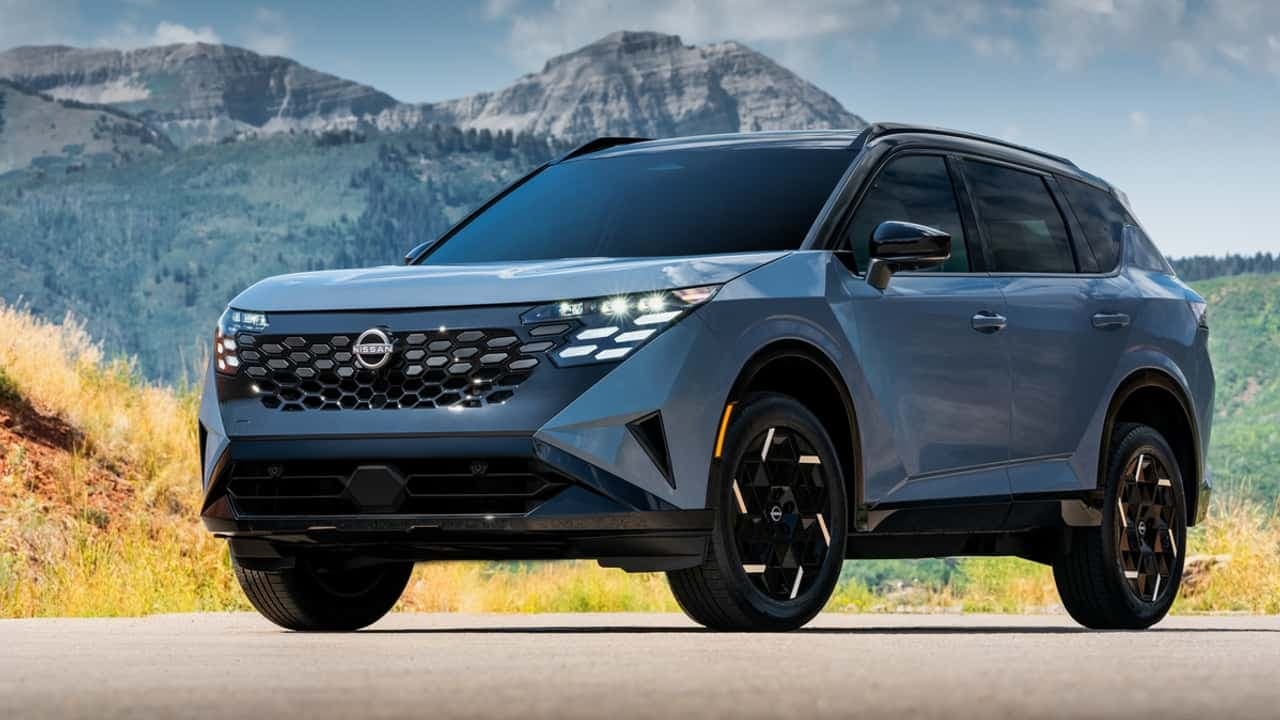
At the center of this strategy is the rollout of the Rogue E-Power series hybrid. Nissan has stated that while initial units will be imported from Japan, the Smyrna, Tennessee, facility is slated to begin local production by 2028. This move is designed to scale availability and reduce costs, with leadership expressing a desire for the E-Power variant to capture a substantial 30% to 40% share of total Rogue sales shortly after launch.

The E-Power system is a distinct take on hybrid technology, utilizing a small gasoline engine as an onboard generator to power an electric motor, providing an electric-driving experience without the range anxiety typically associated with battery-only vehicles. By embedding this technology into its most popular SUV, Nissan is positioning itself to cater to mainstream consumers who are interested in the efficiency of electrification but are not yet ready to transition fully to a pure battery-electric vehicle (BEV).

Targeting the Subcompact Market with the Kicks E-Power

In addition to the high-volume Rogue, Nissan is set to broaden its electrification push by introducing an E-Power version of its subcompact crossover, the Kicks. Expected to reach the U.S. market by 2028, this model is intended to serve as an entry point for budget-conscious drivers looking for hybrid efficiency. By applying its E-Power architecture to the smaller platform, Nissan hopes to replicate the success seen in other global markets where the Kicks has already gained traction.

Why It Matters

  • Competitive Pressure: Nissan is playing catch-up against legacy rivals who have already normalized hybrid-only lineups for major nameplates.
  • Manufacturing Sovereignty: Localizing production at the Smyrna plant reduces logistics costs and aligns with North American regional manufacturing incentives.
  • Bridge to Electrification: While these hybrids provide immediate emissions reductions, the industry remains focused on whether this strategy will facilitate or hinder the eventual transition to pure battery-electric vehicles.

As Nissan embarks on this aggressive push, the industry will be watching to see if the E-Power technology can successfully win over the American market. While hybrids provide a familiar transition for drivers, the ultimate success of the brand may still depend on its ability to sustain its long-term battery-electric vehicle development alongside these hybrid investments.

SPONSORED
The 5 Best Over-Ear ANC Headphones of 2026, Tested & Ranked
Editor's Pick Guide
92/100
Tech & Gadgets•12 min read

The 5 Best Over-Ear ANC Headphones of 2026, Tested & Ranked

We locked five over-ear ANC picks for 2026 — Sony WH-1000XM6, Bose QuietComfort Ultra 2, Soundcore Space One, Sennheiser Momentum 5, and Apple AirPods Max 2 — then stress-tested them on lab metrics, long-term owner truth, and live street prices.

Related Stories

Semantically matched articles, ranked by topic overlap and freshness.

Kia Expands Performance Lineup: UK Orders Open for EV3, EV4, and EV5 GT Models
Electric Vehicles

Kia Expands Performance Lineup: UK Orders Open for EV3, EV4, and EV5 GT Models

Kia is bringing high-performance thrills to its mainstream electric lineup, launching the potent GT variants of the EV3, EV4, and EV5 in the UK market.

Beyond the Headlines: Analyzing GM’s EV Sales Recalibration
Electric Vehicles

Beyond the Headlines: Analyzing GM’s EV Sales Recalibration

General Motors saw a sharp decline in Q3 electric vehicle deliveries, but experts argue this isn't a collapse in demand—it’s a byproduct of shifting federal policy and a normalization after a record-breaking 2025.

BMW’s New i3 Challenges EV Range Leaders With 468-Mile Capability
Electric Vehicles

BMW’s New i3 Challenges EV Range Leaders With 468-Mile Capability

The upcoming BMW i3 50 xDrive sedan is set to redefine expectations, targeting a 468-mile EPA-estimated range that outpaces Tesla’s entire current passenger vehicle lineup.

EU Transport Committee Delays Crucial 'Auto Package' Vote Amid Policy Wrangling
Electric Vehicles

EU Transport Committee Delays Crucial 'Auto Package' Vote Amid Policy Wrangling

A pivotal decision on the future of Europe's combustion engine phase-out has been pushed back, signaling ongoing friction regarding the 'Auto Package' reforms.

Why Mercedes-Benz and Aston Martin Won't Be Banned Under New Proposed U.S. Legislation
Electric Vehicles

Why Mercedes-Benz and Aston Martin Won't Be Banned Under New Proposed U.S. Legislation

A proposed U.S. Senate bill aiming to restrict Chinese-linked automakers is making waves, but key lawmakers confirm that European mainstays like Mercedes-Benz are not the intended targets.

The Ford Fathom: A $30,000 High-Stakes Bet on Electric Redemption
Electric Vehicles

The Ford Fathom: A $30,000 High-Stakes Bet on Electric Redemption

CEO Jim Farley is doubling down on Ford's future with the upcoming Fathom, an affordable electric pickup designed to reset the automaker's EV strategy and compete on a global stage.

VENTRA: The Student-Led EV Concept Tackling Invisible Tire and Brake Pollution
Electric Vehicles

VENTRA: The Student-Led EV Concept Tackling Invisible Tire and Brake Pollution

A team from TU Eindhoven is redefining zero-emissions driving by tackling the often-overlooked environmental impact of tire and brake particulate matter.

Ampol Set to Dominate Australian EV Charging with $225M Evie Networks Acquisition
Electric Vehicles

Ampol Set to Dominate Australian EV Charging with $225M Evie Networks Acquisition

Fuel giant Ampol is making a massive pivot toward electrification by acquiring charge point operator Evie Networks to scale its charging infrastructure across Australia.