A Statistical Shift, Not a Structural Failure
The latest sales data from General Motors for the third quarter of 2026 paints a daunting picture: EV deliveries plummeted by more than a third compared to the same period in 2025, dropping to 25,473 units. While a 92% year-over-year decline for flagship models like the Chevrolet Equinox EV might appear alarming, industry analysts emphasize that these figures require significant nuance. The narrative is not one of waning consumer interest, but rather an inevitable market adjustment following the expiration of federal EV tax incentives.
In late 2025, the automotive landscape was defined by a rush to secure federal $7,500 tax credits before they were officially sunset by the administration. This created a massive, artificial spike in consumer demand, leading to a record-setting Q3 for General Motors in 2025. Consequently, current year-over-year comparisons are fighting against an inflated baseline. With the financial cushion of the federal credit removed, the industry is entering a new phase of price-sensitive, organic demand that is currently being felt by manufacturers across the entire electric vehicle sector.
The Cadillac Resilience
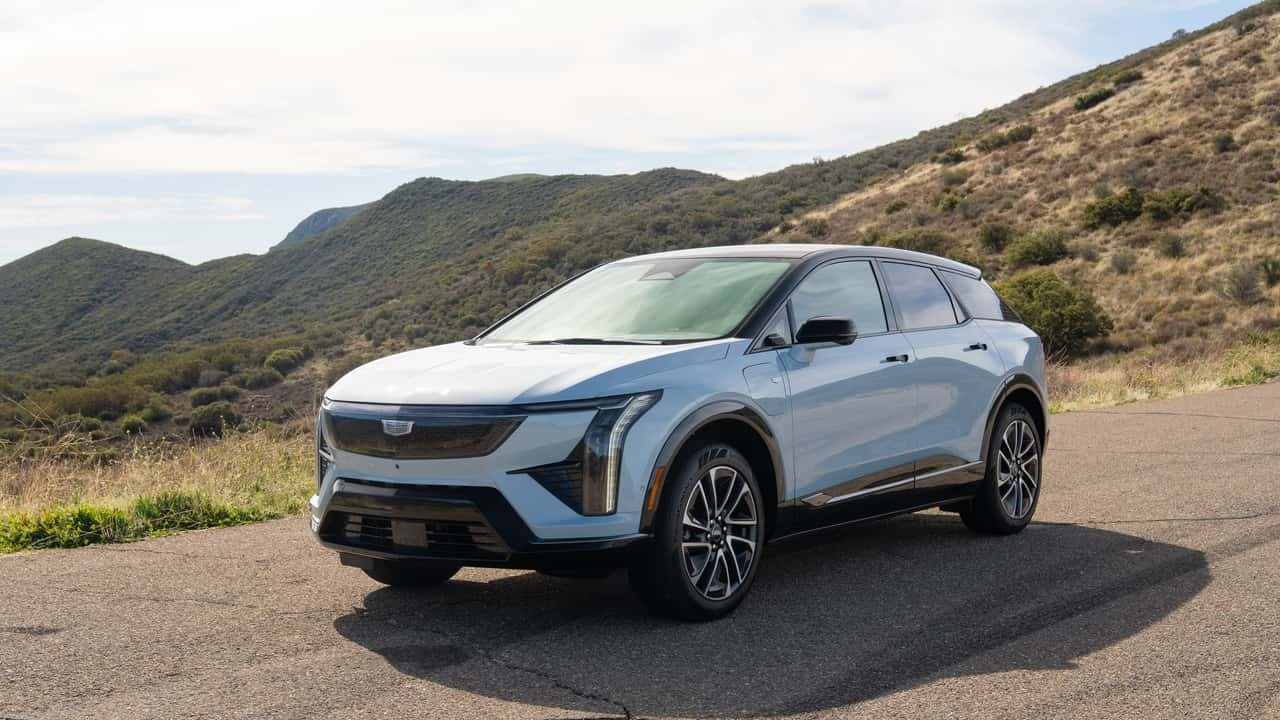
Despite the broader market headwinds, GM’s luxury arm, Cadillac, has emerged as the stabilizing force for the company's electrified portfolio. As mainstream models saw their sales impacted most heavily by the loss of affordability-focused incentives, Cadillac models maintained a notable presence in the quarterly results. The brand effectively carried the volume, with the Optiq leading the charge at 4,550 deliveries, followed by the Lyriq with 3,617 units and the Vistiq moving 2,587 vehicles.
This performance suggests that the luxury EV segment remains somewhat insulated from the volatility of mass-market incentive shifts. For high-end buyers, the purchase decision is less contingent on a $7,500 tax break and more focused on brand value and vehicle capability. The steady movement of these units indicates that the core appeal of GM’s premium electric offerings remains intact despite the absence of federal subsidization.
Why It Matters: Navigating the Post-Credit Era
- Incentive Dependency: The sharp drop in sales for the Equinox EV and Blazer EV underscores how heavily mid-market EV adoption was reliant on federal price-cutting mechanisms.
- Normalization vs. Decline: The Q3 data represents a correction from the front-loaded purchases of 2025, which saw record highs due to the looming tax credit expiration.
- Luxury Stability: Cadillac’s relative success in this climate highlights that the premium EV market has a more resilient consumer base compared to the value-driven entry-level segment.
- Regulatory Ripple Effects: With the dismantling of major EV-specific regulations, manufacturers are being forced to shift strategies from volume-chasing to sustainable, long-term margin growth.
The Road Ahead
The path forward for GM will rely on how effectively the company can balance its expansive portfolio against a market that is no longer propped up by government intervention. As gas prices fluctuate and infrastructure continues to expand, the focus will likely shift toward improving battery efficiency and reducing production costs to reach price parity without the need for federal assistance. The current Q3 data is less of a warning sign for GM’s future and more of a snapshot of an industry that is finally learning to stand on its own feet without the training wheels of tax credits.