The Legislative Landscape
As the U.S. government tightens regulations on automotive connectivity and foreign influence, a new bipartisan Senate bill is currently under the microscope. The proposed legislation seeks to prohibit automakers from operating in the U.S. market if they maintain 15% or more Chinese ownership. While the goal is to secure the domestic supply chain and protect data integrity from foreign interference, the implications for major European luxury brands have sparked intense debate in Washington.
With the current iteration of the bill enjoying massive bipartisan support—touted by some as having nearly unanimous favor in the Senate—the automotive industry is bracing for potential shifts in corporate structure. The primary concern revolves around brands like Mercedes-Benz and Aston Martin, both of which currently feature Chinese investment levels that surpass the proposed 15% threshold. However, recent statements from key sponsors clarify that the law is not designed to trigger a mass exodus of legacy luxury manufacturers from the American market.
The Mercedes-Benz Position
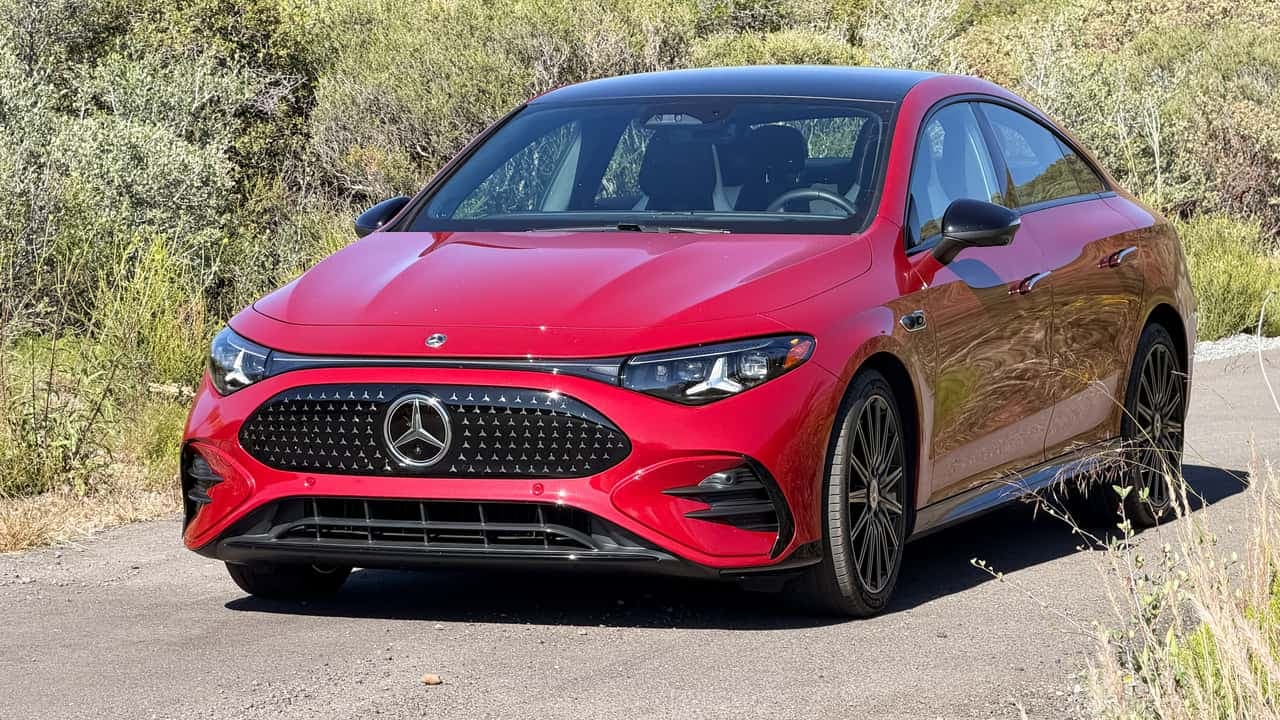
Mercedes-Benz currently sees approximately 20% of its shares held by Chinese investors, specifically split between Tenaciou3 Prospect Investment Limited and the BAIC Group. Despite these figures exceeding the 15% ceiling set by the draft legislation, Republican Senator Bernie Moreno, a co-sponsor of the bill, has explicitly stated that the intent is not to ban Mercedes-Benz vehicles from American roads. The distinction lies in the nature of the investment: these holdings are categorized as passive, with no involvement in daily operations, long-term product development, or corporate strategy.
Lawmakers are effectively signaling that the legislation will focus on operational influence rather than purely financial participation. While Mercedes-Benz may eventually be required to restructure its shareholding to officially dip below the 15% threshold to remain fully compliant with the prospective law, there is a clear path forward that avoids a catastrophic removal of the brand from the U.S. market. The priority remains preventing foreign strategic control over vehicle data and critical infrastructure.
Broader Industry Implications
The reach of this bill extends beyond just Mercedes-Benz. Brands like Aston Martin, which counts Geely as a 17% stakeholder, face similar scrutiny. For companies like these, the U.S. market represents a vital financial pillar, necessitating an immediate focus on corporate restructuring should the bill pass into law. The automotive industry is already well-versed in navigating these complexities; for instance, the Volvo brand has historically maintained its U.S. presence by strictly segregating its software and connectivity infrastructure from its Chinese parent company.
Why it Matters
- Regulatory Clarity: The explicit assurance from lawmakers provides a buffer for major manufacturers to adjust their investor profiles without facing an immediate ban.
- Shift in Focus: By distinguishing between passive investment and operational control, the U.S. government is refining its strategy to target national security risks rather than global trade partnerships.
- Future Compliance: Luxury automakers will likely initiate internal buy-backs or equity realignments to ensure they fall safely under the 15% threshold, ensuring their products remain available to U.S. consumers.
Ultimately, the bill reflects a growing trend in the automotive sector: a push to isolate software and data management from foreign influence while maintaining the interconnected nature of global automotive manufacturing. As negotiations continue, it is expected that provisions will be refined to accommodate companies with significant yet passive foreign ownership, provided they can prove their independence from geopolitical rivals.