The Evolution of the Neue Klasse Vision
BMW has officially confirmed that its ambitious Neue Klasse platform will extend beyond luxury mid-size models, with the introduction of a new entry-level electric vehicle slated for arrival in 2028. While the model currently lacks a final commercial name, industry insiders and automotive observers anticipate it will carry the i1 designation. This move signifies a broader strategic pivot for the German automaker, which is aggressively pursuing improved profit margins by diversifying its electric powertrain applications.
The upcoming compact hatchback is being developed under the internal code name “NB0.” By leveraging the scalable architecture of the Neue Klasse, BMW aims to balance the high development costs associated with its latest electric hardware by deploying it across a wider range of vehicle segments. This strategy is critical to the manufacturer’s goal of hitting profit margins of up to 10% by the beginning of the next decade, a transition that also includes operational efficiencies such as increased AI integration and targeted workforce adjustments.
Design and Powertrain Expectations
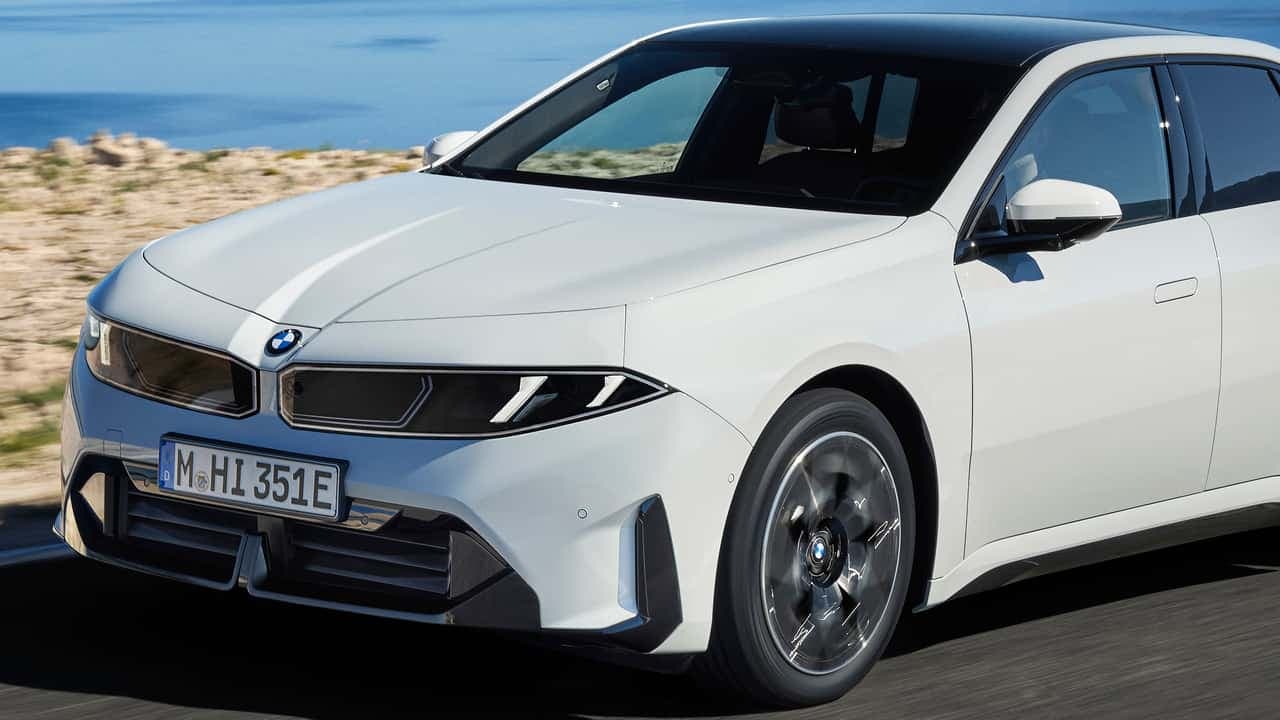
Designed primarily for the European market, the new i1 is intended to sit comfortably between the compact Mini Cooper and the more robust iX1 electric crossover. While official technical specifications remain under wraps, the vehicle is expected to echo the design language established by the recently unveiled i3. Because it occupies a smaller footprint, the i1 will likely feature a more modest battery capacity compared to its larger siblings, prioritizing urban efficiency and reduced vehicle weight over maximum range.
From a mechanical perspective, the entry-level EV is expected to retain the traditional BMW engagement factor, likely utilizing a rear-wheel-drive configuration consistent with the heritage of the 1 Series. However, engineers may also provide optional dual-motor variants for those seeking higher performance. While the latest internal combustion 1 Series is front-wheel drive and expected to remain in production into the early 2030s, the i1 will offer a distinct, purpose-built electric alternative, ensuring the brand maintains a dual-track strategy for its entry-level segment.
Why It Matters
- Strategic Expansion: The addition of a budget-friendly model ensures that the expensive R&D costs of the Neue Klasse platform are distributed across high-volume sales.
- Market Targeting: By focusing the i1 on Europe, BMW is capitalizing on the region's strong appetite for premium, compact electric hatchbacks, while simultaneously studying a separate, high-end gas-powered SUV strategy for the American market.
- Operational Efficiency: This vehicle launch is a linchpin in BMW’s overarching plan to boost corporate margins through platform modularity and AI-driven production efficiencies.
Outlook and Regional Implications
For enthusiasts hoping to see this compact powerhouse on North American roads, the prospects appear dim. BMW has signaled that the i1 is specifically tailored for European consumer preferences, where hatchbacks remain the gold standard for city transit. In the United States, the company is instead focusing on the development of a flagship, gas-powered SUV intended to occupy a market segment above the current X7, highlighting the stark divergence in regional automotive demands. As we approach 2028, the i1 will likely serve as the ultimate test of whether BMW can effectively translate its high-end electric architecture into a mass-market package without sacrificing the driving dynamics the brand is famous for.