The National Highway Traffic Safety Administration (NHTSA) is moving toward a significant regulatory milestone that could reshape the future of autonomous transportation. The agency is currently investigating the removal of long-standing requirements that mandate steering wheels and pedal systems in vehicles intended solely for driverless use.
Paving the Way for Purpose-Built Robotaxis
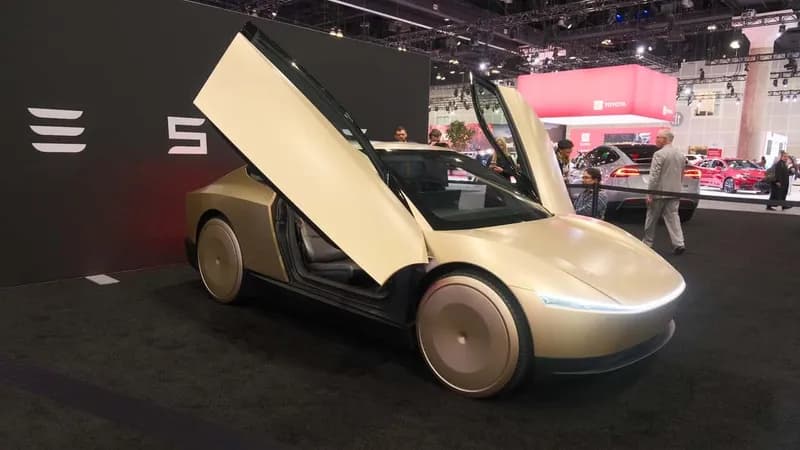
Under current federal motor vehicle safety standards, all vehicles must include manual driving controls. However, as companies like Waymo, Zoox, and Tesla develop vehicles designed from the ground up for autonomy, these traditional components are increasingly viewed as unnecessary obstacles to both design and efficiency.
The head of NHTSA has signaled a willingness to adapt these rules to better fit the reality of self-driving technology. By removing the steering wheel requirement, regulators would allow manufacturers to produce 'cabin-first' designs that prioritize passenger comfort and interior space over human-centric control layouts.
Safety and Implementation
While the proposal represents a major shift in federal policy, safety remains the primary concern. Any changes to the current standards would require rigorous testing to ensure that vehicles without manual overrides can operate at least as safely as human-driven cars. If implemented, this move would mark one of the most significant updates to automotive safety regulations in decades, officially acknowledging a shift away from human-operated vehicles.