A new study led by researchers from UC Santa Barbara has shown that human presence profoundly affects wildlife behavior, alongside environmental changes. By tracking over 4,500 animals, the findings highlight the necessity for species-specific conservation strategies.
Key Findings
- The study utilized GPS data from 4,581 mammals and birds, combined with anonymized cellphone location data, to assess how wildlife responds to human presence across the U.S.
- 57% of the species studied were influenced by both human presence and landscape modification. Notably, 67% of mammals and 68% of birds exhibited changes in habitat utilization.
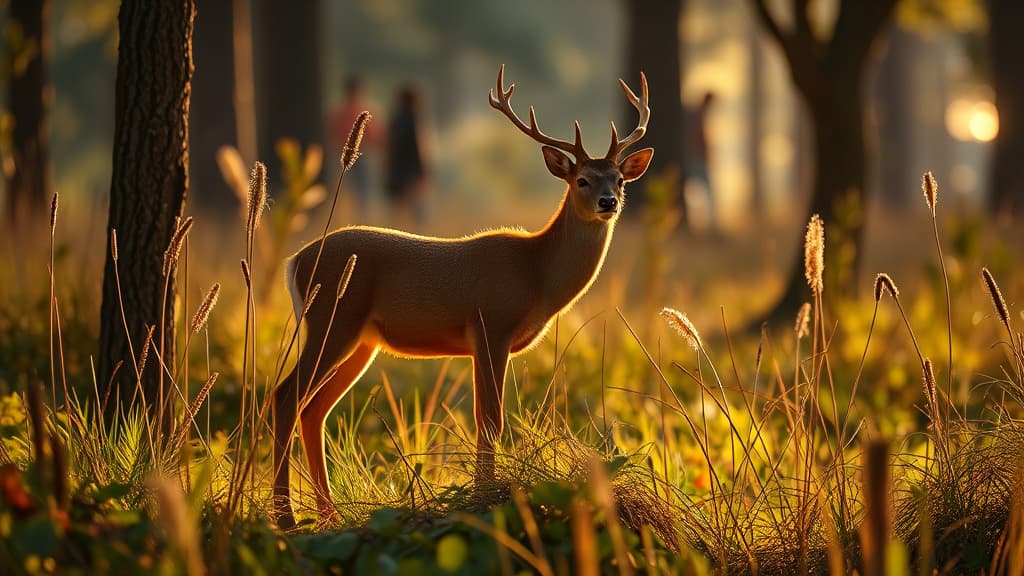
- The research uncovered varied species responses: wolves expanded their habitat in reaction to human presence, while white-tailed deer reduced their range as nearby human activity increased.
- This research was part of the COVID-19 Bio-Logging Initiative, allowing scientists to examine wildlife behavior during the 'anthropause,' a period when human activities were significantly curtailed.
- Findings indicate that traditional conservation methods may require reevaluation, emphasizing the importance of understanding the complex interactions between humans and wildlife for effective management.
The implications of this study are significant. As human activity increasingly encroaches on natural habitats, understanding individual species' responses is vital for tailoring conservation efforts. The diverse reactions of species to human presence call for more nuanced management strategies that take into account the specific needs and behaviors of wildlife.
This study adds to a growing body of research that urges conservationists to adapt their methods in light of human impact, advocating for a more integrated approach in wildlife management.