A Significant Shift in Regulatory Standards
The U.S. Department of Transportation has officially finalized a major rollback of Corporate Average Fuel Economy (CAFE) standards, signaling a departure from the aggressive efficiency mandates established during the Biden administration. Under the new guidelines set by the National Highway Traffic Safety Administration (NHTSA), automakers are now required to reach a fleet-wide average of 34.9 miles per gallon by 2031. This is a substantial reduction from the previous 50.4 mpg benchmark, bringing the target closer to the 2024 baseline of 30.4 mpg.
Transportation Secretary Sean Duffy framed the decision as a victory for consumer choice and cost-effectiveness, suggesting that the previous mandates forced manufacturers to prioritize expensive electric vehicle (EV) technology over more affordable internal combustion solutions. However, the policy pivot arrives at a time when global automotive markets in Europe and China are doubling down on electrification, raising concerns among industry analysts that the U.S. may be losing its competitive edge in the transition to next-generation mobility.
Environmental and Public Health Projections
The NHTSA’s own analysis accompanying the 892-page rule paints a stark picture regarding the long-term impact of these relaxed standards. The agency acknowledges that by 2050, the rollback could result in the additional consumption of between 36 billion and 128 billion gallons of gasoline, with a mid-range estimate of 122 billion gallons. These figures suggest that the environmental cost of the policy shift will be felt for decades, as vehicles sold under these lighter regulations remain on the road.
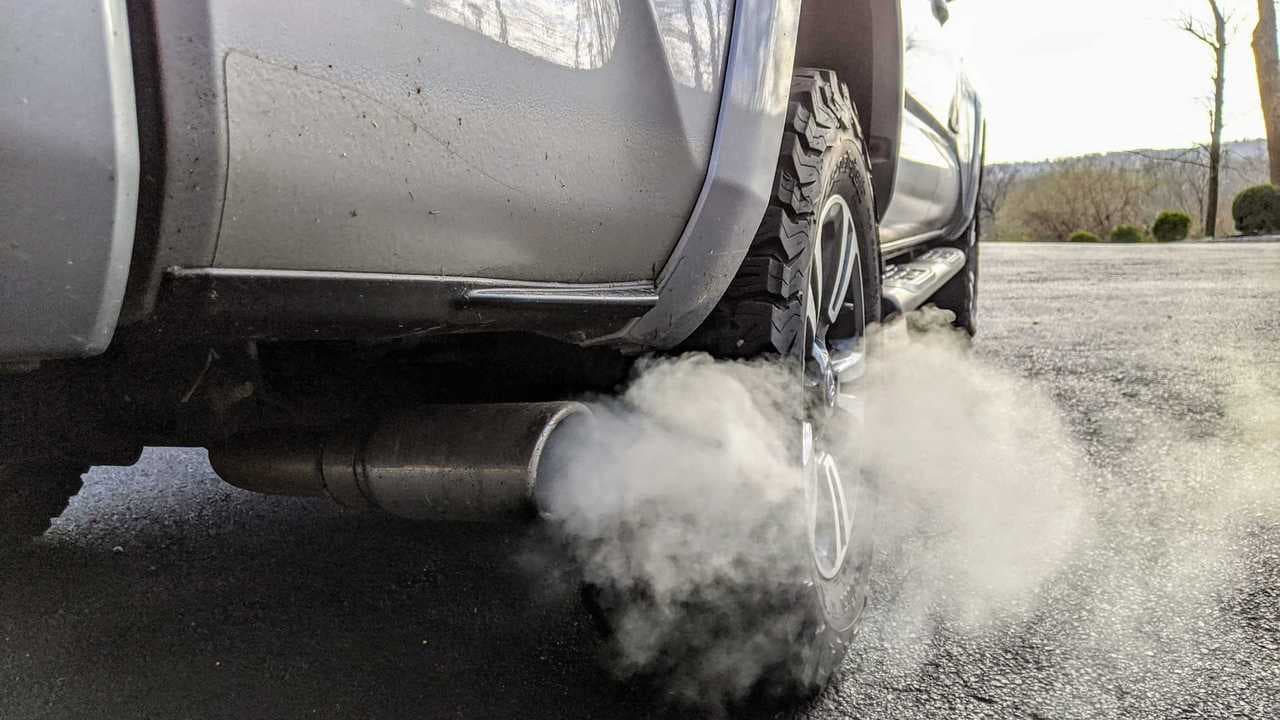
Beyond gasoline consumption, the report highlights potential public health consequences. The NHTSA expects a notable increase in harmful criteria pollutant emissions by 2035 and 2050. Projections suggest that emissions of formaldehyde could rise by as much as 12.6%, and the aggregate carbon dioxide increase by 2050 is estimated at one billion metric tons. These elevated levels of pollutants are linked to increased risks of respiratory illnesses and other chronic health conditions, with the agency noting that these adverse impacts would be felt globally through rising surface temperatures and sea levels.
Industry Outlook and Context
The reaction to the new CAFE rules has been polarized. The Alliance for Automotive Innovation, representing giants like Ford, General Motors, and BMW, expressed support for the decision, arguing that the prior requirements were disconnected from market realities and consumer demand. By removing the pressure to rapidly scale EV production, automakers may find more flexibility in their powertrain strategies, focusing instead on a mix of hybrids and traditional engines to meet the lower 34.9 mpg threshold.
Why It Matters
- Reduced EV Incentive: With lower efficiency requirements, the regulatory push for manufacturers to prioritize EV manufacturing and research is significantly weakened.
- Long-Term Climate Impact: The accumulation of extra CO2 and increased fuel consumption will likely exacerbate U.S. contributions to climate change for the foreseeable future.
- Consumer Costs: While the administration argues that the rule will lower upfront vehicle costs by an average of $1,290, critics argue that consumers will offset those savings through higher lifetime expenditures at the gas pump and increased healthcare costs associated with poorer air quality.
Ultimately, the impact of these rules remains subject to market dynamics. While the mandates have been softened, consumer demand for fuel-efficient vehicles, particularly hybrids, continues to grow. Manufacturers may choose to pursue higher efficiency regardless of the government's floor, but the regulatory rollback effectively removes the primary legal barrier against high-emission fleet strategies, leaving the future of American road transport heavily dependent on the voluntary decisions of private corporations.