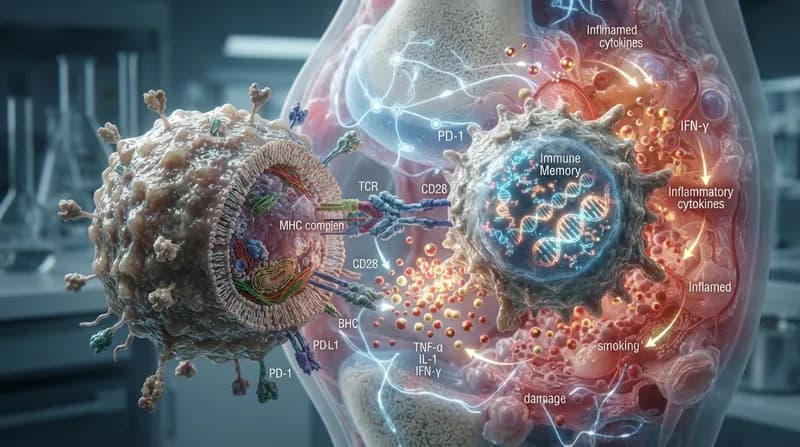
Researchers have made a significant breakthrough in understanding rare immune cells, which could lead to a better comprehension of autoimmune disease risk. By developing a new genomic approach, scientists at Cincinnati Children's Hospital Medical Center have successfully linked distant DNA regions to the genes they control in type 3 innate lymphoid cells.
Key Insights
The study utilized an optimized promoter capture Hi-C method to map long-range DNA interactions in rare tonsil-derived ILC3 immune cells, providing valuable insights into how DNA is folded in these cells and how gene promoters physically interact with distant regulatory elements across the genome. This innovative approach overcomes the barrier of rarity of ILC3s, which are difficult to study at scale, thereby opening up new avenues for research into autoimmune disease risk.