A Breakthrough in Cognitive Therapy
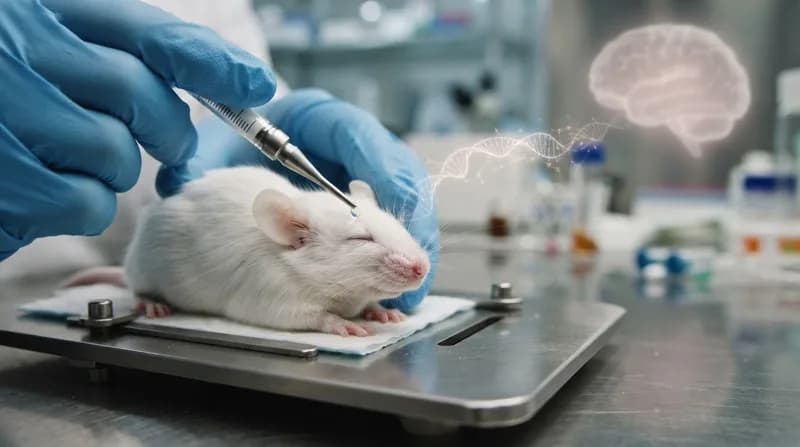
In a development that echoes the themes of science fiction, researchers at the University of Sydney have unveiled a groundbreaking approach to treating neurological decline. By utilizing mRNA-loaded lipid nanoparticles delivered via simple nose drops, the team has successfully improved learning and memory in aged mice, while simultaneously stalling the progression of Alzheimer’s disease in high-risk animal models. This research, published in the journal Advanced Science, aims to transition mRNA technology beyond infectious disease prevention and into the realm of complex brain health.
How the Technology Works
The core of this innovation lies in a clever repurposing of the platform that gained global recognition during the COVID-19 pandemic. Instead of triggering an immune response, the researchers utilized lipid nanoparticles—tiny, fat-based carriers—to transport mRNA instructions directly to the brain. Once administered through the nasal cavity, these particles effectively turn the nose into a local production facility, instructing the body to manufacture brain-derived neurotrophic factor (BDNF).
BDNF is a crucial protein responsible for the survival, plasticity, and connectivity of neurons. In both aging populations and those suffering from Alzheimer's, levels of this protein naturally plummet. By non-invasively bypassing the blood-brain barrier—a notorious hurdle that prevents many conventional drugs from reaching the central nervous system—the nasal drops ensure that BDNF can be synthesized exactly where it is needed most. This method avoids the need for invasive surgeries or direct brain injections, marking a significant step toward safer, more accessible neurological care.
The Potential for Alzheimer’s Treatment
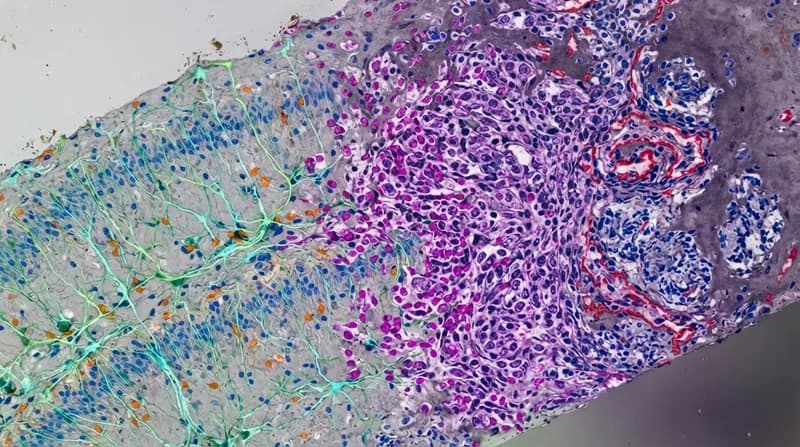
The study’s findings regarding Alzheimer’s disease offer a compelling shift in strategy. While many current pharmaceutical interventions focus on the difficult task of scrubbing amyloid plaques from the brain, the Sydney team’s approach focuses on resilience. In the 5XFAD mouse model, which mimics rapid-onset Alzheimer’s, regular treatment with these mRNA drops prevented cognitive decline even while amyloid plaques remained present. This suggests that strengthening neuron health through BDNF might allow patients to maintain cognitive function despite the presence of underlying disease pathologies.
Why It Matters
- Non-Invasive Delivery: The nasal route exploits direct anatomical pathways to the brain, bypassing the blood-brain barrier.
- Neuro-Protection: Rather than just clearing plaques, the treatment focuses on maintaining neuronal connectivity and health.
- Dual Application: Initial trials suggest the therapy could potentially be used for both aging-related cognitive decline and early-stage neurodegenerative disease.
- Versatile Platform: The use of mRNA means the payload could theoretically be adapted to address other neurological conditions, such as stroke or traumatic brain injury.
Outlook and Future Clinical Steps
While the results in mice are highly encouraging, the research team, led by Professor Greg Neely, emphasizes that the project remains in the preclinical phase. The biological differences between mouse and human nasal passages necessitate extensive safety and efficacy trials before a human application can be realized. However, because the lipid nanoparticle technology itself is already well-understood and clinically validated for safety, the team is optimistic about the timeline. The goal is to move into human trials within the next two years, offering a glimmer of hope for a future where cognitive health can be supported with as much ease as administering simple allergy relief.