The Myth-Driven Barrier to Electric Mobility
In the rapidly evolving landscape of automotive technology, a stark divide has emerged between those who drive electric vehicles (EVs) daily and the public perception held by those who have yet to make the switch. A comprehensive 2026 Global EV Driver Survey, which gathered insights from nearly 30,000 drivers across 34 countries, indicates that the primary obstacle to mass-market adoption isn't necessarily the high cost of entry or the logistical challenges of urban charging. Instead, it is the prevalence of persistent, unfounded myths surrounding electric battery health and infrastructure stability.
According to the findings, 74% of current EV owners identify these misconceptions as the most significant barrier preventing potential buyers from transitioning to electric power. By contrast, traditional concerns such as vehicle purchase price and the availability of apartment-based charging stations were ranked lower, cited by 49% and 47% of respondents, respectively. This data suggests that while the industry focuses heavily on hardware iteration and price parity, it is struggling to effectively communicate the actual, day-to-day experience of ownership to a skeptical public.
The Longevity Fallacy
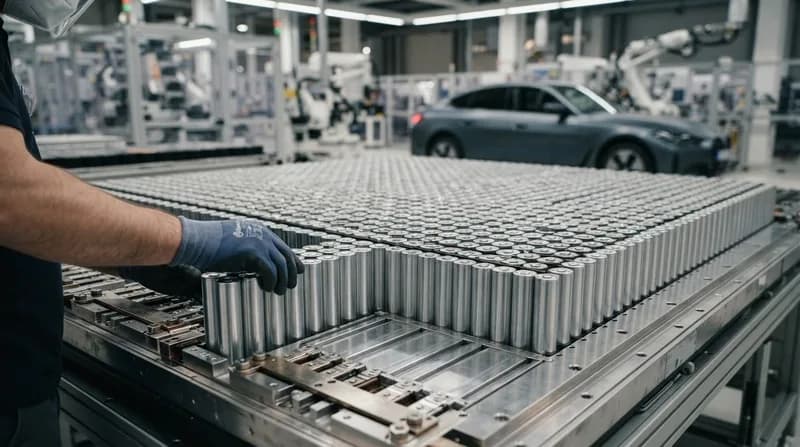
The most frequently cited misconception centers on battery longevity, with 72% of respondents noting that potential buyers are terrified of early battery failure. The prevailing fear is that an electric car will become an expensive paperweight within a few years of purchase. However, the lived reality of those who already own EVs tells a vastly different story. A staggering 65% of surveyed owners stated they possess no anxiety regarding the health of their own vehicle's battery, while only 18% expressed any concern at all.
Real-world data seems to validate this confidence. Recent analysis from Ford’s fleet of 36,000 Mustang Mach-E vehicles found that 2021 models retained an average of 92% of their usable capacity after more than 55,000 miles. Even more impressively, units with over 100,000 miles on the odometer still maintained 91% of their original capacity. These figures provide a powerful rebuttal to the narrative that battery degradation renders EVs obsolete prematurely, showing that modern battery management systems are far more resilient than public opinion suggests.
Why it Matters: Misconceptions vs. Reality
- Fire Safety: While news reports highlight dramatic EV fires, statistical data generally shows that electric vehicles are no more—and often less—prone to combustion than internal combustion engine (ICE) vehicles.
- Grid Stability: Concerns that a mass influx of EVs would collapse the electrical grid ignore the potential for 'smart charging,' which synchronizes vehicle demand with periods of low grid stress.
- Environmental Impact: Despite myths to the contrary, the lifecycle emissions of an EV are consistently lower than gas-powered counterparts, even when accounting for the carbon-intensive manufacturing process of high-capacity battery packs.
The Outlook for Future Adoption
The path toward widespread electrification is clearly obstructed by a communication gap rather than a technological one. As the industry moves forward, manufacturers and advocates must prioritize evidence-based education. By highlighting longitudinal data—like the high-mileage retention numbers seen in contemporary EV fleets—the industry can slowly chip away at the myths that have held firm for too long. Until the average prospective buyer understands that their daily driver is not a ticking time bomb of repair costs, the psychological barrier to entry will remain the most difficult 'range' issue to solve.